Get Full Government Meeting Transcripts, Videos, & Alerts Forever!
Get email alerts on the Construction Defects topic
No spam. Unsubscribe anytime.
Public testifies sharply divided over shortening construction-defect window in HB 3746
Summary
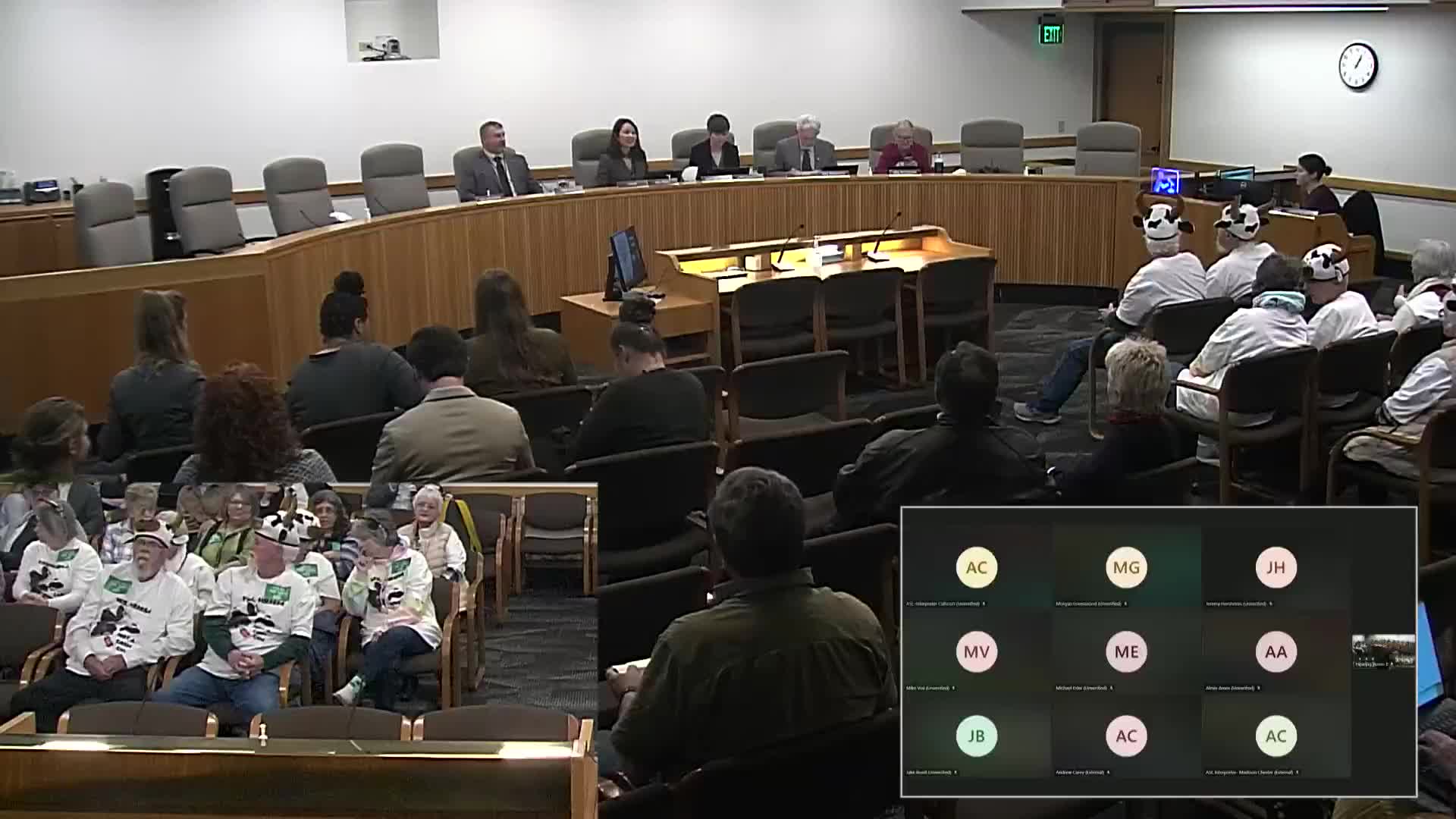
Chair Pham reopened the public hearing on House Bill 3746 on May 12 to allow additional witnesses who had signed up but not been heard during the earlier session.
Chair Pham reopened the public hearing on House Bill 3746 on May 12 to allow additional witnesses who had signed up but not been heard during the earlier session.
The bill would shorten the period during which homeowners or homeowners associations may bring construction-defect claims against developers and builders. Supporters said shorter liability windows and clearer inspection reporting would reduce litigation risk and encourage condominium development; opponents said it would shift repair costs onto homeowners and leave many defects undiscovered until after statutorily shortened deadlines.
Why it matters: Supporters, including builders and affordable-housing developers, said reduced liability exposure is necessary to revive condominium construction and expand affordable homeownership options. Opponents — including a banker, HOA members and Habitat homeowners — warned that limiting recourse would leave ordinary homeowners, especially low-income buyers, responsible for costly repairs and special assessments.
Jeremy Hirschman, who identified himself as representing Northwest Bank, said his bank’s experience with homeowners’ associations shows repair recoveries frequently fall short of actual rebuild costs. “By shortening the time allowed for recourse and by placing the burdens of inspections onto what this bill does not state the qualifications of the inspector should be,” Hirschman testified, “I think we are making a huge mistake in limiting the statute of repose to go after developers and construction companies.”
Michael Vile (spelled in the record as Michael Vile), speaking as a private witness, told senators the bill “is not a pathway to wealth generation. It's a road to financial ruin for low income first time homebuyers.” He said 28 states keep a 10‑year statute of repose for construction-defect claims and that there is no evidence shortening repose leads to more condominium development.
Morgan Greenwood, senior vice president of government affairs with the Central Oregon Builders Association and a member of Partners for Affordable Housing, testified in support. Greenwood said the state’s existing liability windows contributed to a “92% decrease in condominium development in Oregon since…2006” and argued the bill would “increase opportunities for condo development, thereby increasing opportunities for homeownership that is affordable to our state's workforce.”
Lacey Sutton, who identified herself as a Habitat homeowner, said she lives in a 31‑unit condominium complex built by Habitat Portland Region and described alleged code and fire‑access violations she said left residents exposed. “Please don't make it any harder for moms like us to keep our children safe,” Sutton told the committee.
Discussion and next steps: Committee members did not vote on the bill during this hearing; the chair closed public testimony and proceeded to other agenda items. Witnesses on both sides asked the committee to consider amendments addressing inspections, certification of inspectors, and insurance impacts.
Ending: Committee chair Pham closed the public hearing after the scheduled witnesses finished testimony and moved the meeting to other bills on the agenda. No committee action was recorded on HB 3746 during this session.