
Committee reopens debate on bill restricting sale of precise geolocation data; sponsor seeks amendment
Get AI-powered insights, summaries, and transcripts
Subscribe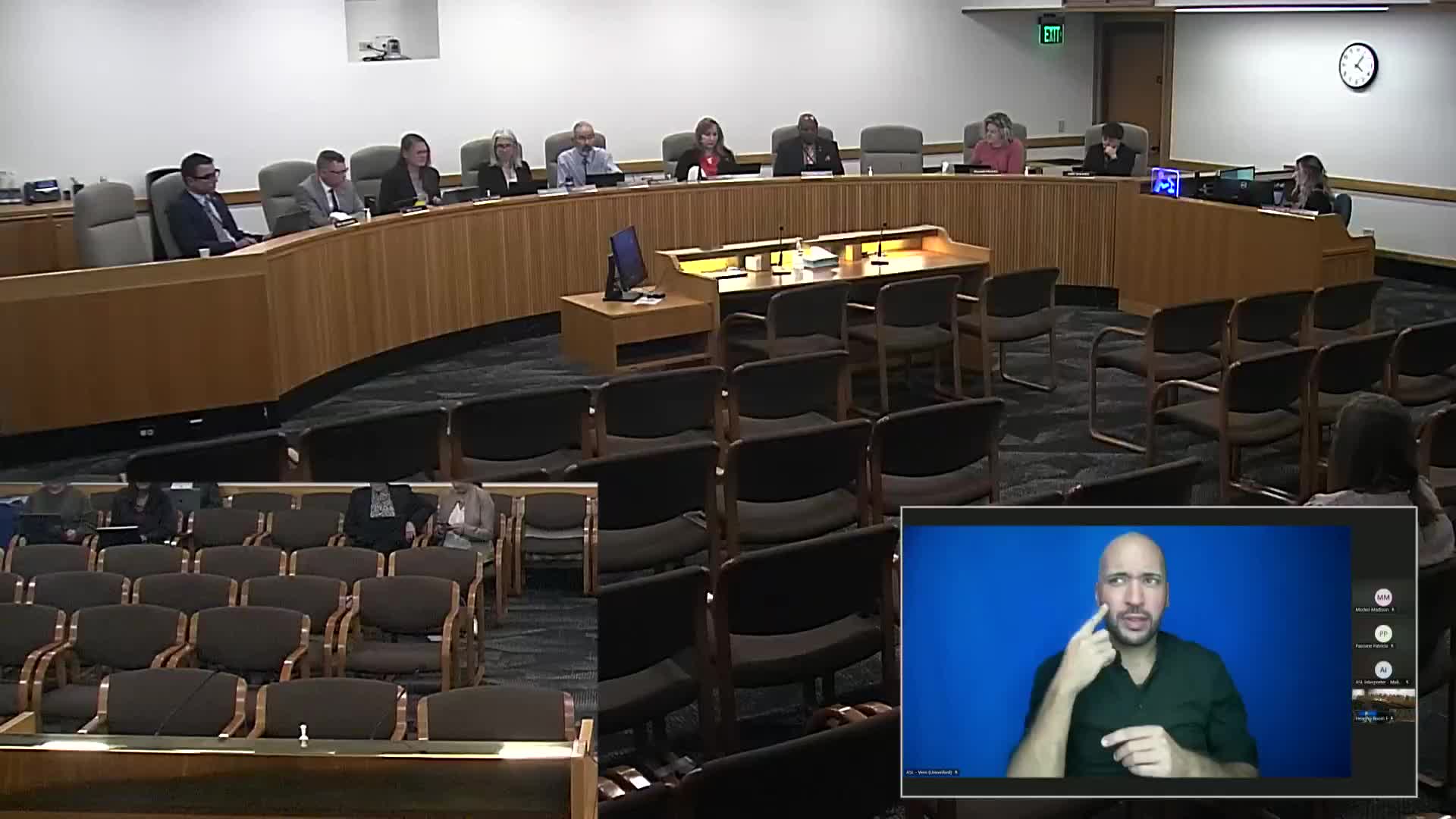
Summary
Members questioned which apps and business models the restriction would affect; sponsors said the bill bans sale of precise geolocation data (within 1,750 feet) but does not bar collection or internal transfers and exempts fraud investigations and non‑sale transfers.
The Senate Committee on Judiciary took extended testimony and debate May 12 on House Bill 2008A, a bill that would restrict controllers covered by the Oregon Consumer Privacy Act from processing personal data for targeted advertising or selling precise geolocation data when the controller knows or willfully disregards that the consumer is under 16, and would bar sale of precise geolocation data (defined in the bill to a radius of approximately 1,750 feet) more broadly.
Tisha (committee staff) outlined the measure and its floor support; discussion then focused on the practical effects of banning the sale of precise geolocation data rather than collection or non‑sale transfers. The bill passed a motion to move to the Senate floor with a due‑pass recommendation, but the committee later agreed by unanimous consent to reopen the vote after sponsors and industry requested an A4 amendment. The committee voted to rescind and reconsider the prior floor motion and then carried the bill over to a subsequent meeting when the A4 paperwork was not available.
Willie Choetzen, introduced as a chief sponsor during the hearing, told senators the restriction “does not ban the collection of precise geolocation data.” He said the bill also does not bar transfers of data where no exchange of value occurs and does not prohibit sale of non‑precise geolocation information. The sponsor and staff said privacy groups and several tech stakeholders participated in negotiations; they cited similar or related proposals in other states, including Maryland and California.
Several senators raised implementation concerns. Senator McLean asked whether common apps (for example, navigation apps or location‑based advertising tied to nearby businesses) would stop functioning; the sponsor said he was not aware of any app that would be unable to operate but acknowledged differences in business models. Senator Thatcher asked whether the bill would impede emergency alerts or fraud prevention; staff and sponsor said fraud exceptions in the OCPA and the nature of cell‑tower‑based emergency alerts meant those functions would not be affected.
After discussion the committee approved a series of voice and roll calls to reconsider its vote; staff later notified members that the A4 paperwork would be filed and the bill was carried over to the committee’s next meeting so the amendment can be considered with full documentation.