Get Full Government Meeting Transcripts, Videos, & Alerts Forever!
Get email alerts on the Digital Harassment Cyberflashing topic
No spam. Unsubscribe anytime.
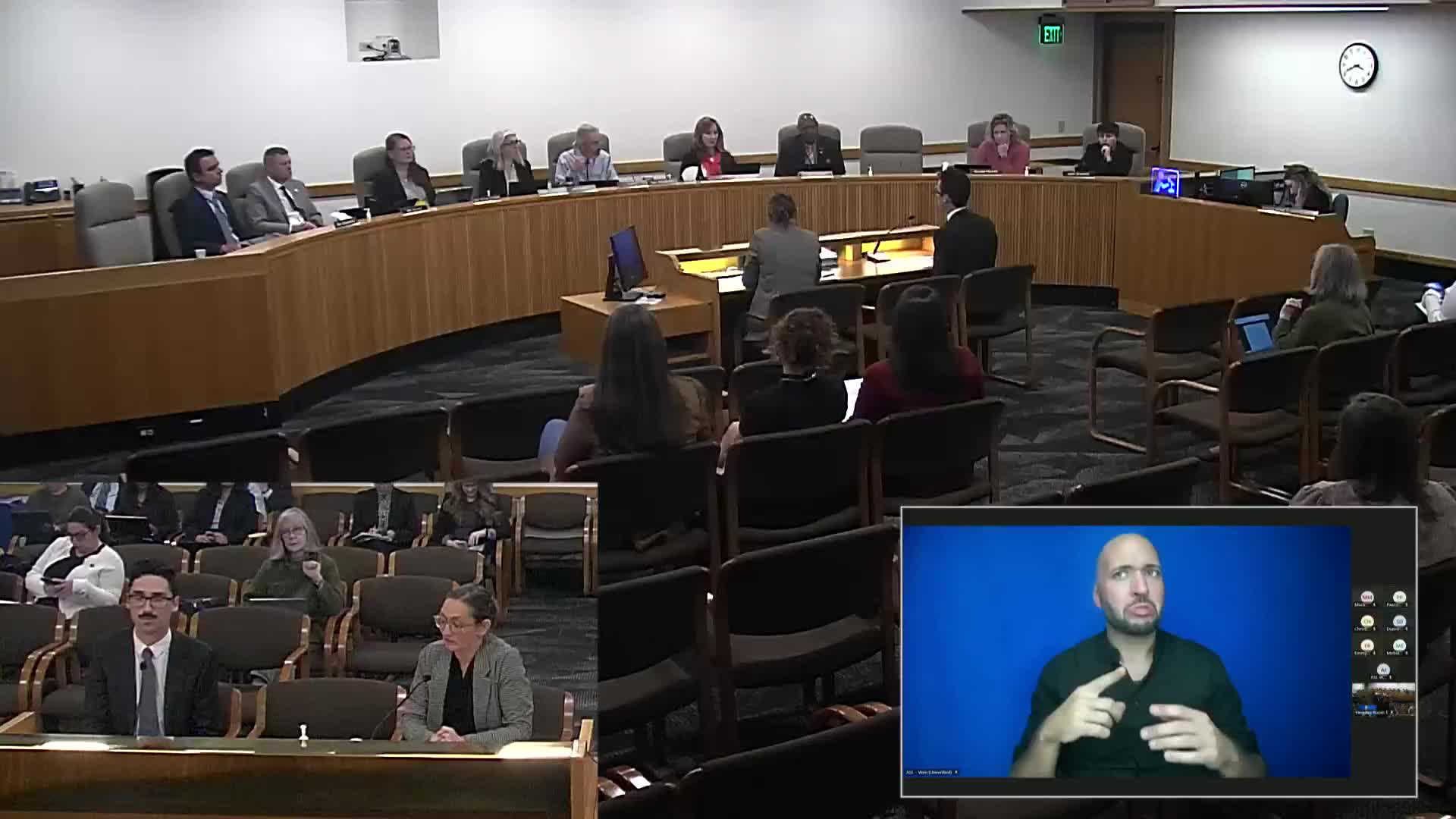
Senate Judiciary hears civil remedy for 'cyber‑flashing' that excludes criminal penalties
Summary
Sponsors described HB 3766A as a civil‑only route for victims to seek damages for unsolicited intimate images; witnesses described AirDrop incidents and urged a small‑claims pathway limited to adults and capped damages.
The Senate Committee on Judiciary on May 12 held a public hearing on House Bill 3766A, a bipartisan measure that would create a civil cause of action for adults who transmit an intimate image of another person without consent and with intent to harass, degrade or humiliate the recipient.
Representative Farrah Chaychee, the bill’s House sponsor on the record, said the measure is modeled on laws in Texas, Virginia and California and is intended to provide a civil remedy — not a criminal penalty — for the practice commonly called “cyber‑flashing.” “This bill creates a legal mechanism to pursue civil action ... colloquially referred to as cyber flashing,” she told the committee.
Under the bill as described, plaintiffs could recover the greater of $500 or their actual economic and non‑economic damages up to $10,000; actions are barred against third‑party internet providers and against medical providers transmitting images for legitimate medical purposes. The amendment discussed narrowed defendants to adults who were 18 or older when they sent the image.
Witnesses described the scope and harms. Daniel Mulkey, chief of staff to Representative Hartman, recounted receiving an unsolicited image via AirDrop on a flight and called the practice “invasive” and “unwanted.” Rebecca Gladstone of the League of Women Voters said the law is intended to protect privacy and noted the bill is designed so many cases can be handled in small claims court. Nikki Terziev of the Oregon Coalition Against Domestic and Sexual Violence urged the committee to pass the bill, calling cyber‑flashing retraumatizing for survivors.
Committee members asked technical questions about remedies and court venues. Senator Broadman asked whether plaintiffs could still pursue other civil claims such as intentional infliction of emotional distress; staff said the bill contains no exclusive‑remedy clause that would prevent bringing additional claims. Members also discussed AirDrop settings and options for consumers to reduce exposure; witnesses and senators noted device settings (for example, accepting AirDrop only from contacts) can limit unsolicited transfers.
The hearing record included multiple survivor‑service and civil‑society proponents and no criminal‑law proponents. Testimony referenced national surveys showing high rates of unsolicited explicit images, particularly among younger women. The committee closed the public hearing; members did not vote in the hearing and the bill continues through the committee process.