Get Full Government Meeting Transcripts, Videos, & Alerts Forever!
Get email alerts on the Criminal Justice Set Aside Protection Orders topic
No spam. Unsubscribe anytime.
Committee hears bill to lengthen wait to clear protection-order violations from 1 year to 5
Summary
Supporters said increasing the waiting period will help courts and survivors identify abusive patterns; opponents said the change would worsen barriers to housing and work for people with records, including some survivors.
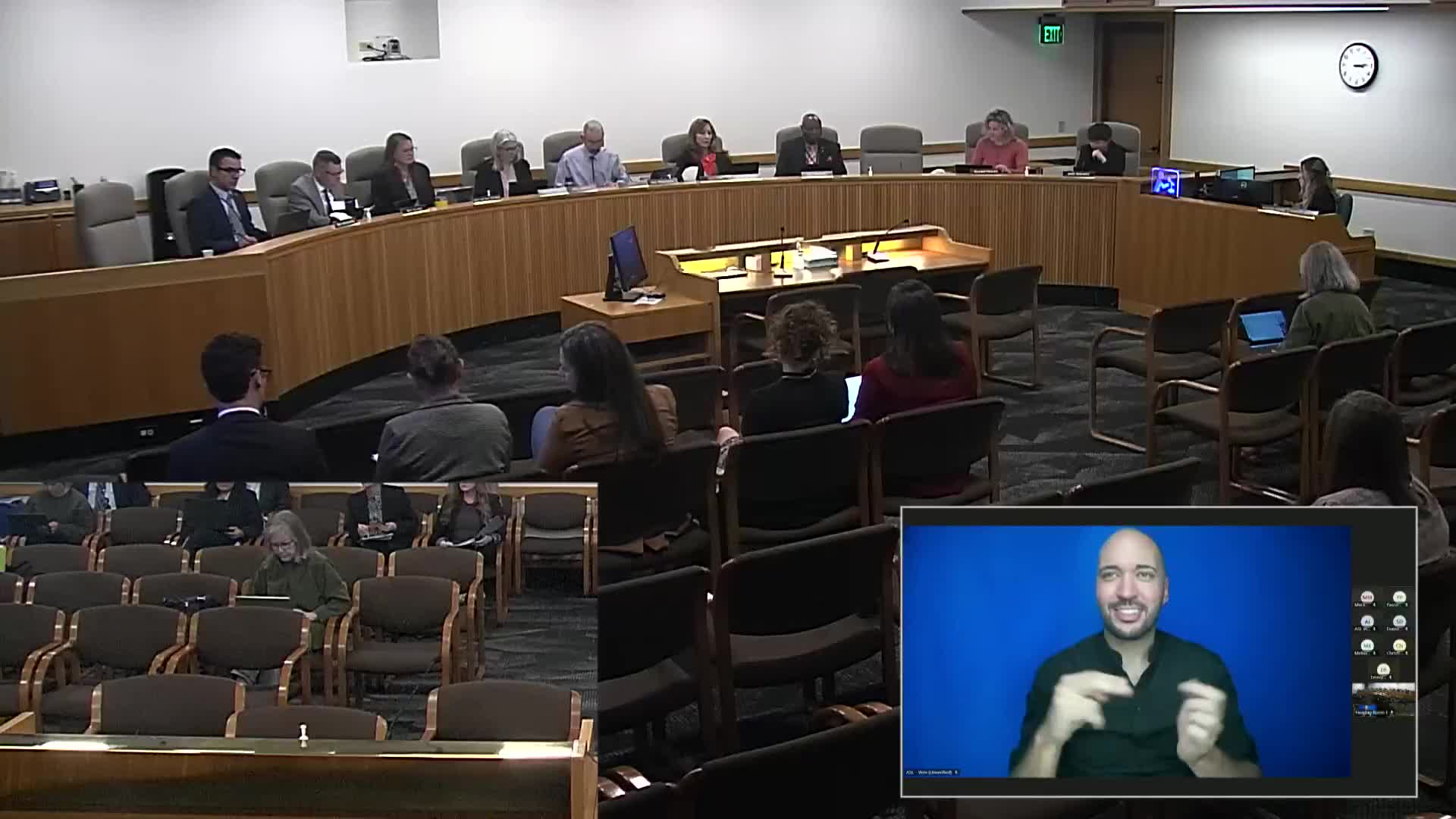
The Senate Committee on Judiciary on May 12 heard public testimony on House Bill 2492A, a measure that would lengthen the waiting period to set aside certain findings related to violations of protection orders from one year to five years and clarify who may seek relief under Oregon’s set‑aside law.
Supporters told the committee the longer period preserves a record that helps courts assess risk and helps survivors access services. Ashley Carson, executive director of the Center for Hope and Safety, said, “Under current law, violations of protection orders may be expunged from an abuser's record after only 1 year. This bill would increase that to a 5 year waiting period.” Sybil Hebb of the Oregon Law Center said the change came after stakeholder negotiation and that “5 years seemed like the more protective measure.”
Proponents described the change as narrowly targeted to contempt findings for violating orders related to abuse and said it would not convert those findings into separate criminal offenses. Sarah Dumont, a deputy district attorney in Clackamas County, said the bill addresses a gap created by State v. Coughlin and “helps protect victims of domestic violence, sexual assault, and stalking” by ensuring contempt findings remain part of the record for set‑aside review.
Opponents, including legal aid and public‑defender representatives, urged caution. John Caulfield of the CLEAR Clinic said the bill “strongly oppose[s] HB 2492A…because at this time, it decreases access to justice for Oregonians in general and does not protect victims.” Ariel Test of the Metropolitan Public Defenders warned the change would make clearing records harder for people trying to rebuild their lives, and noted that contempt findings are currently treated differently from criminal convictions in appellate law.
Committee members probed the choice of five years. Hebb responded that the period was selected to extend beyond typical durations of protective orders (for example, a FAPA order can last two years) so that records of violations remain available when survivors seek civil safety measures or risk assessments.
The public‑hearing record for the bill includes testimony from survivors’ advocates, victim‑services providers, prosecutors and defense attorneys. The measure arrived in the Senate from the House floor with recorded House support (57 ayes, 1 nay). At the close of the session the committee took no final action; the public hearing was closed and the bill moves through the committee process.
Related context: witnesses noted risk‑assessment tools used in domestic‑violence cases (for example ODARA and SARA) rely on histories that can include protective‑order violations and that keeping those records available can inform custody, bail and relocation decisions.