Get Full Government Meeting Transcripts, Videos, & Alerts Forever!
Get email alerts on the Tax Abatements Solar topic
No spam. Unsubscribe anytime.
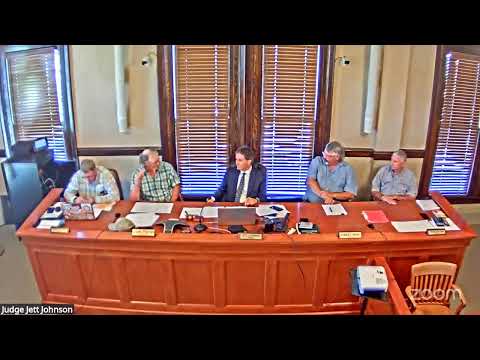
Mills County discusses solar farm tax abatements; hires attorney for future negotiations
Summary
Commissioners held an extended discussion about potential tax abatements for proposed solar projects and voted unanimously to retain an attorney with prior experience on renewable-energy matters.
Mills County Commissioners on May 12 discussed whether the county should offer property tax abatements to developers planning utility-scale solar projects and unanimously voted to retain outside legal counsel to advise on those and related land-use matters.
The item matters because two solar developers have proposed projects in Mills County and some residents oppose abatements while a developer representative argued abatements can attract large taxpayers and increase long-term tax receipts.
At a public comment period, Miss McKee, who identified herself as a county resident and town-hall participant, said residents “oppose these abatements” and raised concerns that “solar farms threaten the harmony of the community” and could harm land values and residents’ health and safety. The court’s discussion confirmed the session was for discussion only and no abatement ordinance or contract was adopted at the meeting.
Bill Pentac, speaking for Red River Clean Energy, described two proposed solar projects and said his firm selected a remote site “so that it will have minimal impacts.” Pentac said his company faces extra remediation costs at one site because it is on former ordnance range land and urged the county to “partner with us” on a project he said would allow a long‑time local landowner to keep the family property. Pentac addressed why abatements are used, saying “I would say that it actually means more tax revenues because it's a powerful tool in your arsenal to attract new taxpayers from Mills County.”
County officials pressed for legal advice before making any policy decisions. Several commissioners said they were not prepared to support or reject abatements without counsel; one commissioner said many counties have stopped routinely granting abatements for solar and wind and suggested the county needs a lawyer familiar with school-district abatements and state rules. The court placed an item on the agenda to consider retaining an attorney with experience in wind and solar matters.
On agenda item 6 the court voted to retain Jeffrey Allen to provide legal counsel on related matters. The motion to hire Allen was made and seconded by Commissioner Portman; the court approved the retention unanimously. No fee schedule was read into the record at the meeting; the court noted the attorney had previously represented Mills County in wind‑related matters and would be retained on an as‑needed basis.
No formal abatement agreement, ordinance, tax incentive resolution or contract was approved at the May 12 meeting. Commissioners agreed to gather more information, consult other counties, and rely on counsel before taking any final action on abatements.
Next steps noted by the court include additional outreach to county officials, further fact‑finding, and legal advice before placing any abatement or incentive on a future agenda.