Get Full Government Meeting Transcripts, Videos, & Alerts Forever!
Get email alerts on the Procedural Rules topic
No spam. Unsubscribe anytime.
Portland Historic Preservation Board tables new procedural rules after members seek clarifications
Summary
The Portland Historic Preservation Board reviewed proposed procedural rules that would codify a "Robert's Rules light" approach, clarify agendas, disclosure and ex parte guidance, and public-comment procedures. Board members requested edits and voted to table the item for staff revision.
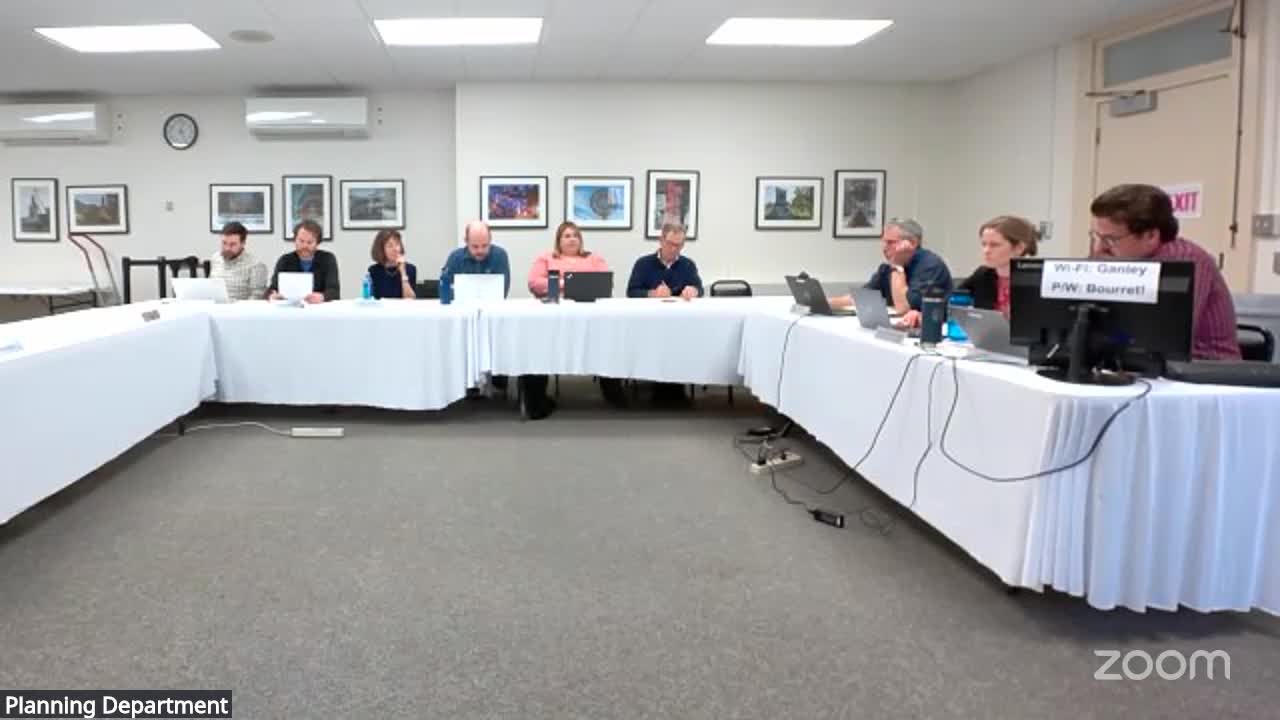
The Portland Historic Preservation Board on May 7 reviewed proposed procedural rules meant to codify how the board runs meetings and to supplement the land‑use code, but members asked for edits and voted to table the proposal so staff can revise it.
Board staff said the draft borrows from the planning board and the council, formally incorporates a simplified version of Robert's Rules of Order, clarifies agenda setting and officer elections, and adds procedures for disclosures, ex parte contacts, and how the chair may manage public comment. Associate corporation counsel Amy McNally reviewed the draft and answered legal questions during the meeting.
Members raised multiple technical and practical issues they wanted changed before adopting the rules. Questions focused on (1) how agenda items are set and whether the draft should reflect current practice that staff assembles agendas in consultation with the chair; (2) how and where board members should disclose ex parte contacts or conflicts of interest; (3) the standard for special‑meeting notice and public notice that the land‑use code requires; and (4) whether subcommittees should be allowed and how that power might be limited.
Board members also asked the rules to spell out when an applicant may rebut public comments and how to treat contested, appellate‑style hearings differently from ordinary applications. Several members asked that disclosures be called earlier in the meeting to reduce disruption, and that the meeting schedule language be flexible rather than hardcoded to specific weekdays.
There were no public comments on the draft rules. After discussion, a board member moved to table the item so staff can incorporate the edits the board requested and return with revised text. The motion carried on a roll‑call vote.
The board directed staff to draft revised language clarifying agenda setting (chair consultation with staff), a process and timing for disclosure/ex parte statements, flexibility on regular meeting schedules, and clearer wording about applicant rebuttal during appellate versus nonappellate hearings. Staff will return the rules for further consideration at a future meeting.
What happens next: Staff will prepare a revised draft that addresses the board’s concerns and present it at a subsequent meeting. The board’s vote to table does not adopt any of the draft rules.