Get Full Government Meeting Transcripts, Videos, & Alerts Forever!
Get email alerts on the Tobacco Marketing To Minors topic
No spam. Unsubscribe anytime.
Appeals court hears challenge to trial court’s exclusions of tobacco‑industry documents and witness testimony
Summary
Family counsel argued that a trial judge excluded extensive internal and third‑party evidence showing tobacco companies studied and marketed to youth, undermining the plaintiffs’ negligent‑marketing and conspiracy claims in a lengthy products trial.
Attorneys for the Pritzke family told the appeals court the trial judge excluded hundreds of pages of internal industry materials and witness testimony that the plaintiffs say showed a deliberate, decades‑long effort to market cigarettes to youth.
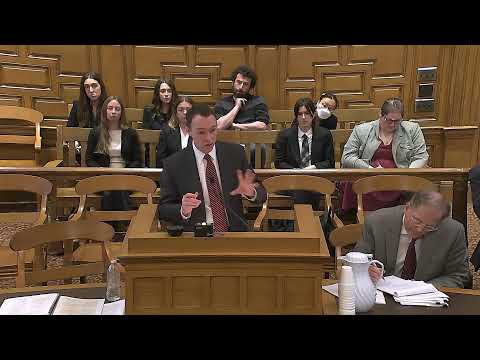
Andrew Rayner, representing the Pritzke family, said trial evidence showing internal memos and marketing documents were excluded or limited, including material referencing youth‑oriented strategies and specific memos that referred to “the high school student” or to age ranges. Rayner said the judge repeatedly denied admission of documentary evidence, limited corporate representative testimony, and curtailed testimony by the decedent, Joseph Pritzke, that connected brand advertising and sampling to his decision to try a brand as a minor. Rayner argued those exclusions undermined the plaintiffs’ negligent‑marketing‑to‑minors and conspiracy claims and prevented the jury from evaluating intent and causation.
Defense counsel Jason Burnette said the trial was lengthy, the court made numerous considered rulings, and the judge admitted substantial testimony and exhibits relevant to samples and youth audience surveys. Burnette said many contested documents were not brand‑relevant under the pretrial memorandum (only Newport, Salem and Kool were defined as alleged negligent‑marketing brands) or were cumulative of evidence the jury heard. On sampling claims, Burnette noted the jury found negligence for distribution of free samples but did not find causation as to the plaintiff’s cancer claim, and he argued exclusion of certain materials was harmless.
Justices probed whether excluded materials were excluded for lack of relevance, for being ambiguous about age (for example, the use of “youthful” or “immature”), or as cumulative, and whether those rulings prejudiced plaintiffs on liability, causation and conspiracy theories. The panel reserved decision.