Get Full Government Meeting Transcripts, Videos, & Alerts Forever!
Get email alerts on the Social Services Substance Use topic
No spam. Unsubscribe anytime.
Alpha Ministries outlines residential recovery program; council discusses using opioid funds for local nonprofits
Summary
Alpha Ministries described its residential recovery program for men, staffing and training plans, and a proposed $55,000 food-trailer project; the council said it has $150,000 in opioid settlement funds and discussed allocating initial grants (about $10,000) and monitoring requirements.
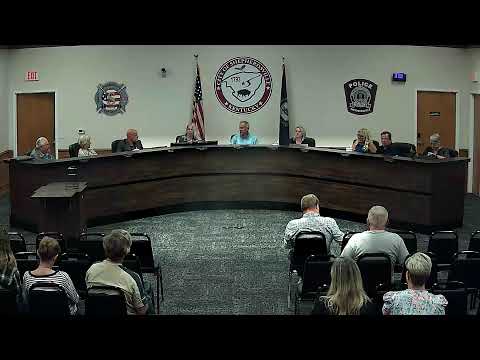
Alpha Ministries told the Shepherdsville council it operates a local residential program for people in recovery and asked for support as the city finalizes allocation plans for opioid-settlement funds.
Mike Mudd, introducing himself as CEO and campus pastor of Alpha Ministries, said the nonprofit operates a brick-and-mortar residential program for men in Bullitt County and that the program currently houses 17 men and includes two peer-support specialists. "We're proud to say that we're the only residential program in the city with our own brick and mortar facility that's dedicated solely to this purpose," Mudd said.
Mudd provided cost figures for the program as presented: he said housing and support for a resident is $400 a month, weekly outreach costs were described as "$2.50 a week" for fuel, food and supplies, and education/counseling/job-readiness training was described as about $500 a month. He also described a proposed food-trailer ministry to provide meals and job training for residents, saying the trailer project was estimated at about $55,000.
Council members discussed how the city might distribute federal/state opioid-settlement funds. A council speaker said, "We have, as we mentioned, a hundred and 50,000, but we're not spending all that at 1 time. We're just trying to take organizations out, maybe put a 10,000 a year and 10,000 a year." Council members emphasized that recipients would need to account for spending and provide itemized reports because federal reporting and oversight apply.
Council members asked for follow-up about program details and storage or operational support for community food drives tied to other nonprofits. City staff said legal counsel would review the allowable uses for opioid funds and councilors said they would pursue allocation plans while monitoring recipient outcomes; no final allocations were made at the meeting.