Get Full Government Meeting Transcripts, Videos, & Alerts Forever!
Get email alerts on the Ems Cardiac Care topic
No spam. Unsubscribe anytime.
County cardiac‑arrest task force work reaches South Pasadena; local plan, Heart Safe community work to be drafted
Summary
LA County task force members and South Pasadena emergency leaders briefed the commission on a 12‑month effort to boost survival from out‑of‑hospital cardiac arrest, including local data, AHA 2030 targets and a planned Heart Safe community process; staff will return in the fall with a local plan and ask for endorsement.
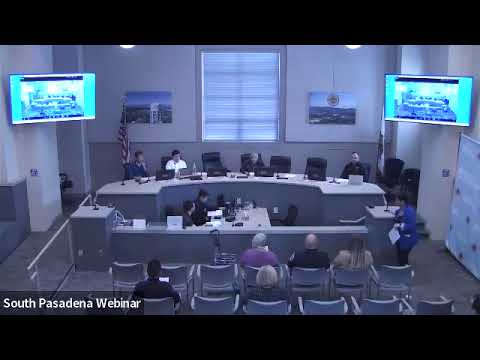
Public health and emergency medical services experts told the Public Safety Commission on May 12 that a county cardiac‑arrest task force will work with South Pasadena to identify gaps and pursue the American Heart Association’s 2030 objectives for improved survival and bystander intervention.
The matter is significant because survival from out‑of‑hospital cardiac arrest depends on rapid recognition, bystander CPR and early defibrillation; the county’s task force aims to raise bystander CPR and AED use while improving overall neurologically intact survival to hospital discharge by 2030.
Dr. Michael Stone, presenting as an EMS fellow, described the task force as a 12‑month, multidisciplinary effort convened by the Los Angeles County EMS Commission that will help providers identify gaps and develop plans to meet the American Heart Association (AHA) 2030 goals. Stone said AHA targets emphasized by the task force include a bystander CPR rate above 50 percent and AED application above 20 percent, along with improved neurologically intact survival to discharge.
Stone and Fire Chief Greg Lloyd described local data and next steps. Chief Lloyd and staff reported that South Pasadena submitted CARES (cardiac arrest registry) data showing eight cardiac arrests in 2024; Stone said the county experiences more than 7,000 cardiac arrests annually and that South Pasadena’s typical annual count is about five to ten incidents. Stone said the task force will ask South Pasadena Fire and partner agencies to identify a local lead, form a stakeholder team (including hospitals, police, EMS, schools and community organizations), review local outcomes and draft a plan.
The presenters pointed to several community actions that can improve outcomes: expanding public access AEDs, integrating AED locations into alerting apps such as PulsePoint, increasing public CPR training and engaging schools, senior centers and community groups as training partners. Chief Lloyd noted the city’s facilities already maintain AEDs and that fire personnel include paramedics who provide advanced prehospital care.
Stone said staff will follow the Heart Safe Communities framework from the Citizen CPR Foundation to gather metrics and implement a stepwise plan. He told the commission he intends to return in the fall with a draft local plan for the commission’s review and endorsement, and that the plan will be submitted to the local EMS agency by the end of the year, followed by phased implementation.
Commissioners and members of the public urged broad community access to training (including schools and senior programs), public education about symptoms and Good Samaritan protections, and outreach to high‑gathering venues. No formal action or vote occurred at the May 12 meeting; staff said they will return with a plan and requests for endorsement and possible community partnerships and training events.