Get Full Government Meeting Transcripts, Videos, & Alerts Forever!
Get email alerts on the Outside Agencies Funding Reductions topic
No spam. Unsubscribe anytime.
Spokane County commissioners weigh cuts to outside‑agency support, prioritize core services
Summary
At a budget workshop, commissioners and staff reviewed proposed reductions to outside‑agency funding (including Spokane Sports, youth programs and health‑district support), discussed reallocating car‑rental tax to parks operations and requested follow‑up data from agencies and the health district.
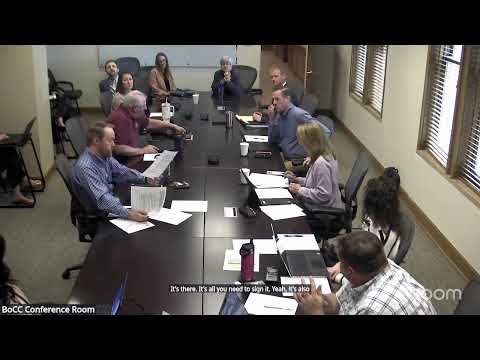
Spokane County commissioners spent a portion of the May 12 budget workshop reviewing proposed reductions to outside‑agency funding and discussing whether some revenue streams could be redirected to county operations.
Jeff (county staff) presented the outside‑agency list and several specific items that staff recommended for early notice to recipients. Commissioners discussed incremental stepped reductions for some organizations and larger reallocations of restricted funds to county needs such as park operations.
Why it matters: The board is balancing limited county revenues against statutory obligations and service priorities. Several programs supported by outside agencies were described as important to community safety and youth development; commissioners said they wanted to give agencies early notice so organizations could adapt their planning cycles.
Key figures and proposals discussed included: Visit Spokane/Spokane Sports’s share of tourism promotion area (TPA) revenue (staff noted the organization’s TPA receipts were about $1.8 million in the most recent year and the county’s suggested reduction would be roughly $220,000); the children’s waiting room at the courthouse, whose costs rose from about $83,000 to $107,000 in two years and serves jurors and family court visitors; Chase Youth Commission funding that commissioners said had been stepped down from about $40,000 in earlier years toward an anticipated target in the $25,000–$30,000 range; and GSI (Greater Spokane Incorporated) regional‑visionary membership costs (a visionary membership figure of about $53,800 was cited).
Staff and commissioners discussed the constraints on using restricted revenue sources. The board noted that car‑rental tax revenue (the TPA) is not general fund but can be used for some park operations or tourism‑related capital and recommended evaluating whether shifting some of that revenue toward new park obligations (for example, planned operations at Camas Meadows) would be appropriate.
Commissioners agreed to notify Spokane Sports of a planned reduction tied to the county’s budget gap and asked staff to frame the reduction in a way that gives the organization time to plan. Several commissioners said they preferred targeted sponsorship or project funding requests over blanket general support; one commissioner suggested that future support be tied to specific capital or operating projects rather than an annual unrestricted payment.
Health‑district and public‑health funding were another major topic. Commissioners asked for a follow‑up presentation from Spokane Regional Health District (SRHD) staff to clarify which line items are statutory obligations and which are discretionary, noting that communications and “health equity” functions were among larger local allocations. Commissioners asked SRHD leadership to come to an upcoming budget committee meeting and to present options for reductions and an explanation of reserve balances and federal/state grant risk.
Other items discussed included the children’s waiting room scope (juror use versus broader family‑court service), continuing reductions to Chase Youth Commission funding over multiple years, and potential reallocation of some outside‑agency funding into parks capital and operations. No final appropriations or cuts were adopted at the workshop; staff were directed to follow up with the affected agencies, gather more precise budget numbers and return with recommendations.
The board emphasized giving outside agencies advance notice so nonprofit partners can adjust, and suggested staff identify which outside‑agency expenditures are statutory versus discretionary before final budget decisions.