Get Full Government Meeting Transcripts, Videos, & Alerts Forever!
Get email alerts on the American West History And Racism topic
No spam. Unsubscribe anytime.
Speaker at University of Montana program frames westward history as a “pain of the West,” urges empathy and reckoning
Summary
At a University of Montana event in Missoula, a presenter reviewed historical accounts of westward expansion and said racism and violence are persistent elements of the region’s history, arguing for a “rediscovery” that centers shared suffering and responsibility.
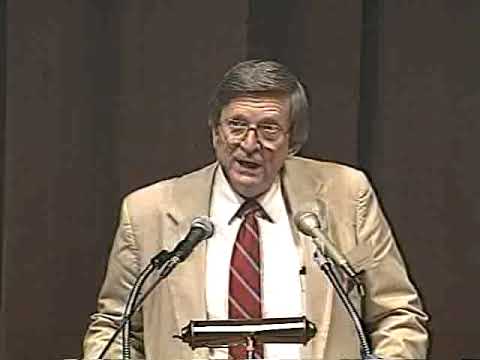
A presenter at a University of Montana program in Missoula reviewed centuries of writings about the American West and said the region’s history contains persistent patterns of violence and racism that communities must confront. The presenter urged a "rediscovery of the American West" that begins by recognizing shared suffering and changing how people see one another.
The speaker said historical documents and travelers' accounts — read aloud during the program — show a long-running pattern of displacement, violence and dehumanizing language toward Indigenous peoples and others. "The pain of the West," the presenter said, "reverberated in my head for a long time." The presenter read excerpts from travelers’ journals and letters spanning the 1500s through the 19th century to illustrate how that pattern appears repeatedly in different voices.
Why this matters: the presenter linked those historical records to present-day attitudes, arguing that progress requires more than surface-level adjustments. "We must own up to our own bigotry," the presenter said, adding that blaming a single historical figure does not excuse ongoing collective choices. The speaker contrasted legalistic or seemingly polite forms of dispossession with explicit acts of violence described in the readings and called for a change in perception toward mutual recognition of suffering.
In the body of the talk the presenter summarized a series of historical examples read to the audience: passages describing early European contact, accounts of forced labor and promised pardons that were not honored, military orders advocating extreme violence, and travelers’ depictions that denigrated Indigenous peoples as "savages." The presenter also read and framed letters from the late 18th century that show early government interest in exploring and obtaining information about western rivers and lands, and accounts from mountain men and travelers that reflect both admiration for landscape and contempt for people living there.
The speaker emphasized nuance: some excerpts showed respect or curiosity about Indigenous communities, while others demonstrated open calls for extreme measures. The presenter repeatedly returned to the phrase "the pain of the West" to describe the combination of economic stress, withdrawal from public life, and cultural violence that showed up in the selected texts. "Political correctness won't fix the problem," the presenter said, calling the issue "too deep, too troubled, too painful" and urging sustained self-examination rather than blame-shifting.
The presenter also connected cultural shifts to language and perception, saying vocabulary shapes how people view "the other." Quoting philosopher Arthur Schopenhauer, the speaker suggested addressing one another as "fellow sufferer" rather than using honorifics that obscure shared human vulnerability. The talk closed with a call for tolerance, patience and forbearance as necessary starting points for reimagining the West.
No official actions or policy directives followed the program; the event was a public lecture and concluded with time for questions and answers, according to the presenter.