Get Full Government Meeting Transcripts, Videos, & Alerts Forever!
Get email alerts on the Carbon Sequestration Tax topic
No spam. Unsubscribe anytime.
Committee debates injection tax for carbon sequestration; amendment lowers rate to $1 but bill not advanced
Summary
Lawmakers debated House Bill 444, which would impose a per‑ton tax on carbon dioxide injected for sequestration, adopt a $1/ton amendment and then fail to advance the bill out of committee after a roll‑call vote.
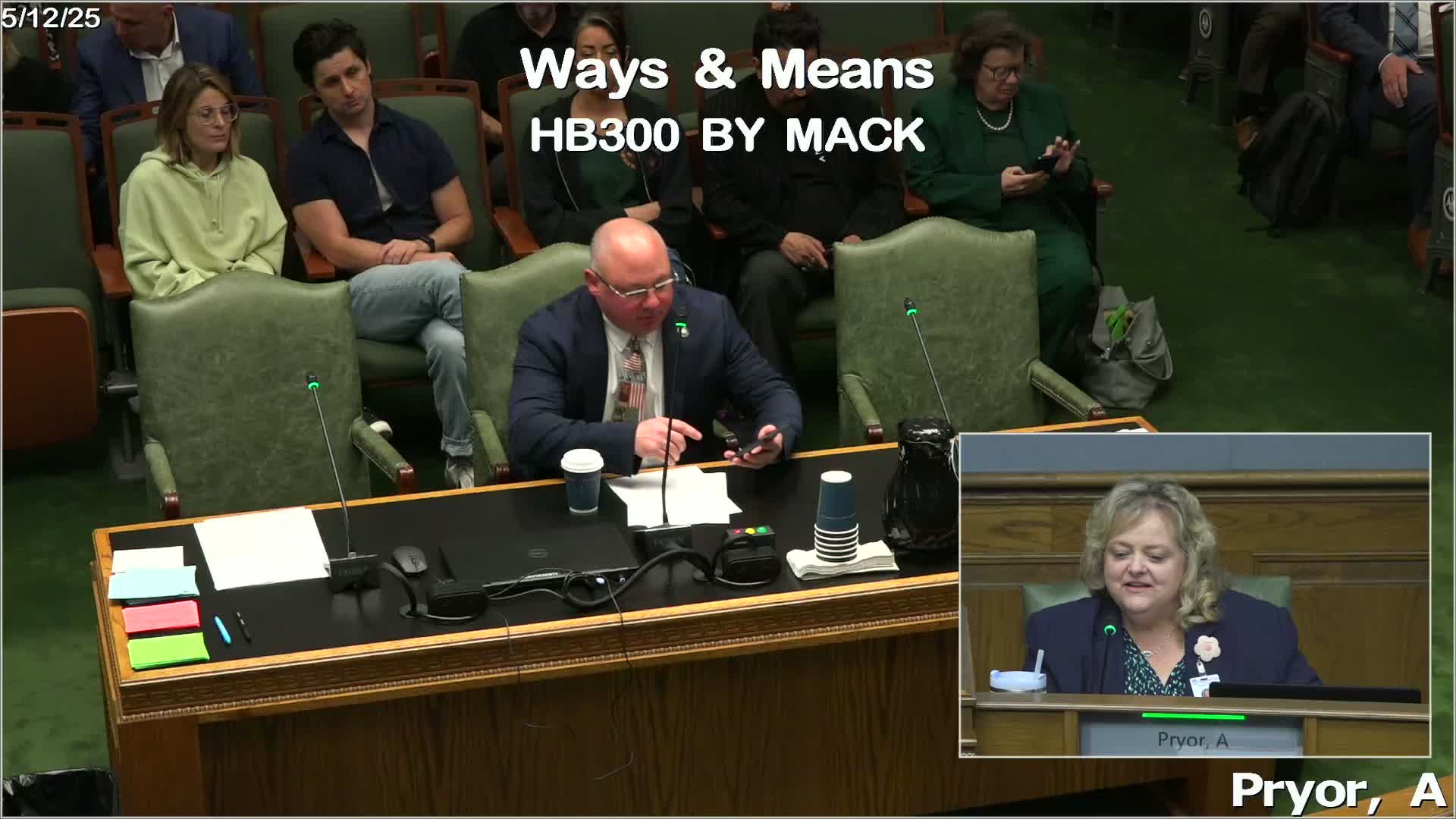
House Bill 444 by Representative Mack would impose a tax on metric tons of carbon dioxide injected for underground sequestration and dedicate revenue to parishes within storage areas.
Supporters said the proposal was intended to provide local governments revenue to pay for emergency response and infrastructure tied to new sequestration projects. Opponents—industry groups and some local officials—warned a new injection fee could make Louisiana less competitive with neighboring states and could discourage projects that bring jobs and large capital investment.
Representative Mack introduced the bill, saying it would “create an injection tax for carbon dioxide” and that revenue would be distributed to parishes within the planned storage area. Representative Farnham offered a conceptual amendment to lower the proposed rate from $3 per metric ton to $1 per metric ton; the committee adopted that conceptual amendment. Clean Air Task Force Markets and Technology Director John Thompson testified for information and urged a study, noting variation in capture and transport costs and that transport and storage can run in the range of roughly $15–$25 per ton, making any per‑ton tax a nontrivial share of project costs. Industry witnesses including Tommy Faucher of LAMOGA and Guy Cormier of the Police Jury Association opposed moving forward with a tax while permitting and project plans are still nascent.
After extended testimony and questioning, Representative Farnham moved to report the bill with the adopted amendment. Representative Ackles objected and a roll call was held. The committee recorded 4 yeas and 10 nays; the motion failed and the bill “will not be reported with amendments.”
Why it matters: proponents framed the tax as a way to make local governments whole for additional emergency‑response and infrastructure costs tied to large sequestration projects; opponents said levying a per‑ton charge at this stage risks driving projects to other states and urged further study and stakeholder negotiation.
Details and next steps: the committee adopted, then incorporated, a $1/metric‑ton amendment before the final vote. Multiple witnesses urged a study examining how taxes interact with community benefits and project economics; an expert from Clean Air Task Force said many projects remain several years from construction and recommended additional analysis to set an appropriate long‑term rate.
The committee action means HB 444 did not move forward from Ways and Means with the proposed amendment.