Get Full Government Meeting Transcripts, Videos, & Alerts Forever!
Senators Warn of Threats to Public Media as Hearing Addresses NPR, PBS Funding
Summary
Multiple senators raised concerns that recent executive actions and budget proposals targeting the Corporation for Public Broadcasting could harm local public stations, emergency alerts and children’s programming; witnesses described public media as vital for underserved communities.
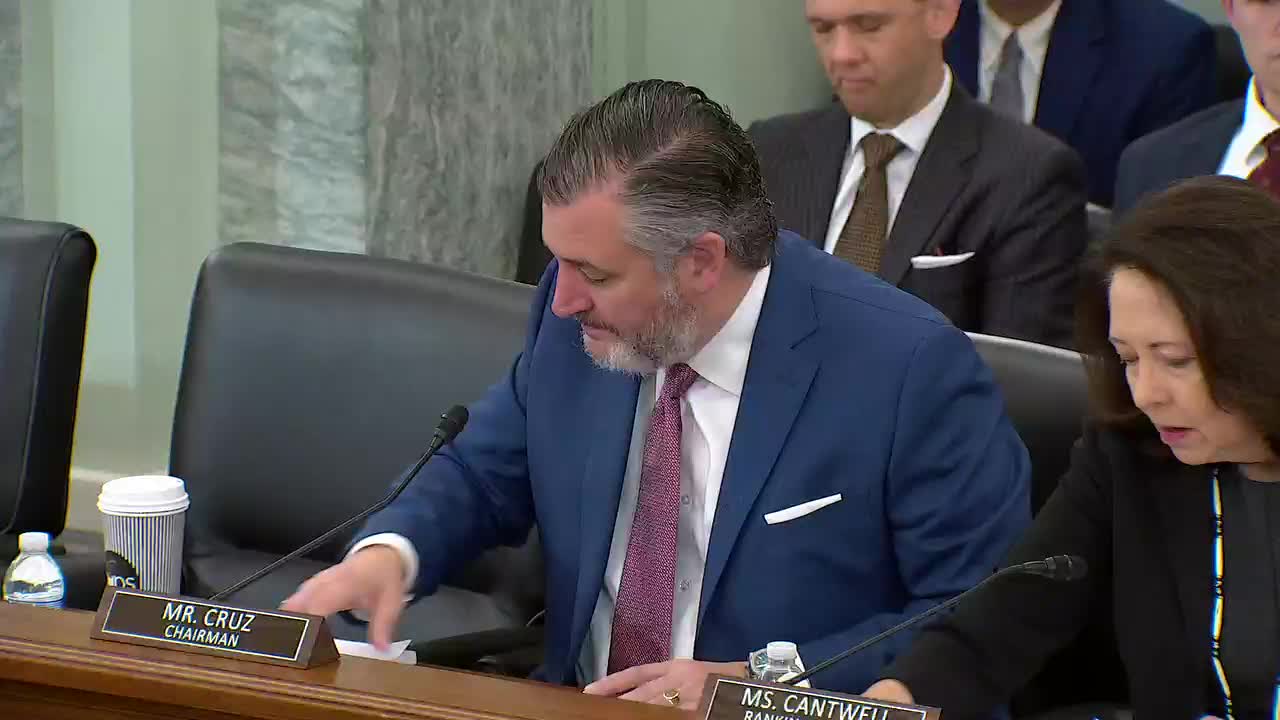
Several senators used the committee hearing to voice strong opposition to executive actions and budget proposals they said would undermine the Corporation for Public Broadcasting and reduce funding for NPR- and PBS-affiliated stations.
Ranking Member Cantwell opened the issue by saying she opposed recent efforts "to undermine critical resources for local broadcasting, that is NPR and PBS," and emphasized that "every community deserves to have trusted access to…
Already have an account? Log in
Subscribe to keep reading
Unlock the rest of this article — and every article on Citizen Portal.
- Unlimited articles
- AI-powered breakdowns of topics, speakers, decisions, and budgets
- Instant alerts when your location has a new meeting
- Follow topics and more locations
- 1,000 AI Insights / month, plus AI Chat