Citizen Portal

Senate Armed Services Committee grills Anthony Teta on past statements, recruiting, and workforce cuts in personnel readiness hearing

3270254 · May 6, 2025

Get AI-powered insights, summaries, and transcripts

Subscribe
AI-Generated Content: All content on this page was generated by AI to highlight key points from the meeting. For complete details and context, we recommend watching the full video. so we can fix them.

Summary

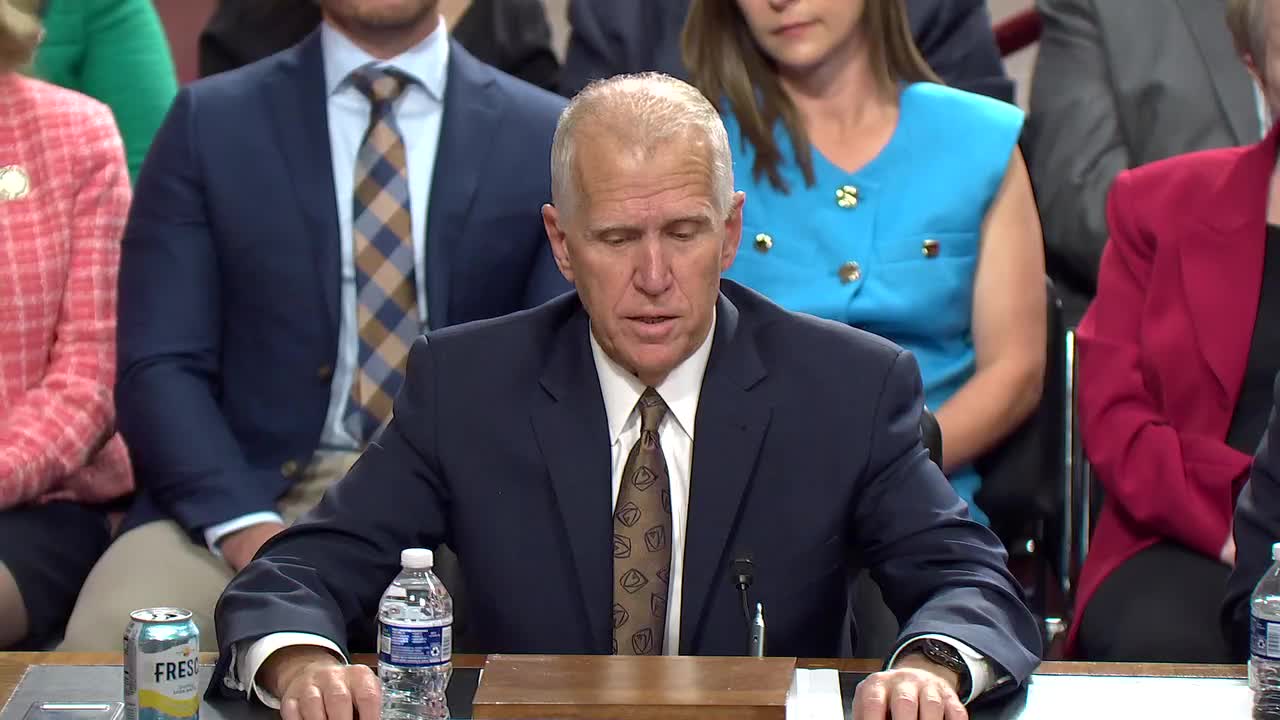
Anthony Teta, the president’s nominee for Under Secretary of Defense for Personnel and Readiness, defended his record and answered repeated questions from senators about past public statements, proposed personnel reductions, recruitment shortfalls and DoD education policies during a Senate Armed Services Committee hearing.

Anthony Teta, the president’s nominee for Under Secretary of Defense for Personnel and Readiness, told the Senate Armed Services Committee on Oct. 12, 2025, he would put service members’ welfare first while defending the constitution and advancing the administration’s readiness agenda. The hearing focused on his past public statements about senior military leaders, his views on removing or reassigning senior officers, and how he would handle recruitment, retention and civilian hiring shortfalls.

The nomination hearing, chaired by Senator Roger Wicker, drew sustained questioning from Democratic and Republican senators about Teta’s previous posts on social media and public commentary calling for reviews or removals of senior officers. “Those were out of character comments. I regret making those comments,” Teta told the committee when asked to explain earlier inflammatory statements, saying he had apologized previously to the committee.

The exchange matters because the under secretary for personnel and readiness would oversee policies affecting roughly 3,000,000 uniformed and civilian Department of Defense personnel, including recruitment, retention, military families, DOD schools (DoDEA), and workforce reductions. Ranking Member Reed and several senators pressed Teta on whether he would support “purge boards” or dismissals of officers for political reasons; Teta repeatedly said he would not support “blatant purge[s]” and emphasized merit-based promotion and a commitment to the Constitution.

Committee members also pressed Teta on management of personnel and readiness issues already affecting operations. Senators cited a department hiring pause, Office of Personnel Management processing delays, and reports that up to 75,000 civilian positions (an administration figure cited as an 8 percent workforce reduction) could be affected by proposed cuts. Teta said aligning personnel policy with national security priorities would be a top task if confirmed and that he would work to close workforce gaps that affect shipbuilding, depot maintenance, and other mission areas.

Recruiting and retention were recurring topics. Senators noted that a large share of military-age Americans are medically or otherwise ineligible to serve and that some pipeline programs have substantial attrition. Teta told the committee recruiting and retention were improving but urged broader efforts — including better access to high schools, educational programs such as JROTC, and streamlining waiver processes — to expand the eligible pool and accelerate access to basic training.

On family services and quality-of-life issues, senators highlighted childcare, housing, and DoD school concerns as retention drivers. Teta, a former school superintendent and state cabinet official, said feedback from families is a vital accountability tool and pledged to prioritize payment and staffing issues for on-post childcare and other family-support programs.

Several senators sought stark commitments about politicization of the military. Teta told the committee he would advise the secretary and president “in a very apolitical and objective way” and said he would not support firing officers simply for carrying out lawful policies. When asked whether he would follow lawful orders, he repeatedly affirmed that military personnel are bound to obey lawful orders and that unlawful orders must be resisted; he emphasized his oath to the Constitution.

The committee did not take a confirmation vote during the hearing. Senators requested written questions for the record and asked for additional documentation on personnel reductions, hiring freezes, and DoD education policies. No formal votes or committee actions were recorded at the hearing.

Looking forward, senators signaled a broad interest in requiring the nominee, if confirmed, to provide prompt reports on workforce realignment plans, metrics for recruitment and retention, and plans to remove bureaucratic barriers to hiring for critical trades such as shipyard welders. The committee left open follow-up questions and written submissions for the record.