Citizen Portal

Senate Armed Services Committee presses nominees on Army Transformation Initiative, staffing and program cancellations

3270256 · May 8, 2025

Get AI-powered insights, summaries, and transcripts

Subscribe
AI-Generated Content: All content on this page was generated by AI to highlight key points from the meeting. For complete details and context, we recommend watching the full video. so we can fix them.

Summary

Nominees at a Senate Armed Services Committee hearing fielded questions about the Army Transformation Initiative, including proposed reorganizations, program cancellations and personnel cuts and how those changes will affect readiness, modernisation and industrial-base partners.

Nominees to senior Defense Department posts testified before the Senate Armed Services Committee and faced sustained questioning about the Army Transformation Initiative, its potential effects on readiness and what cuts or reorganizations will mean for installations, small contractors and weapons programs.

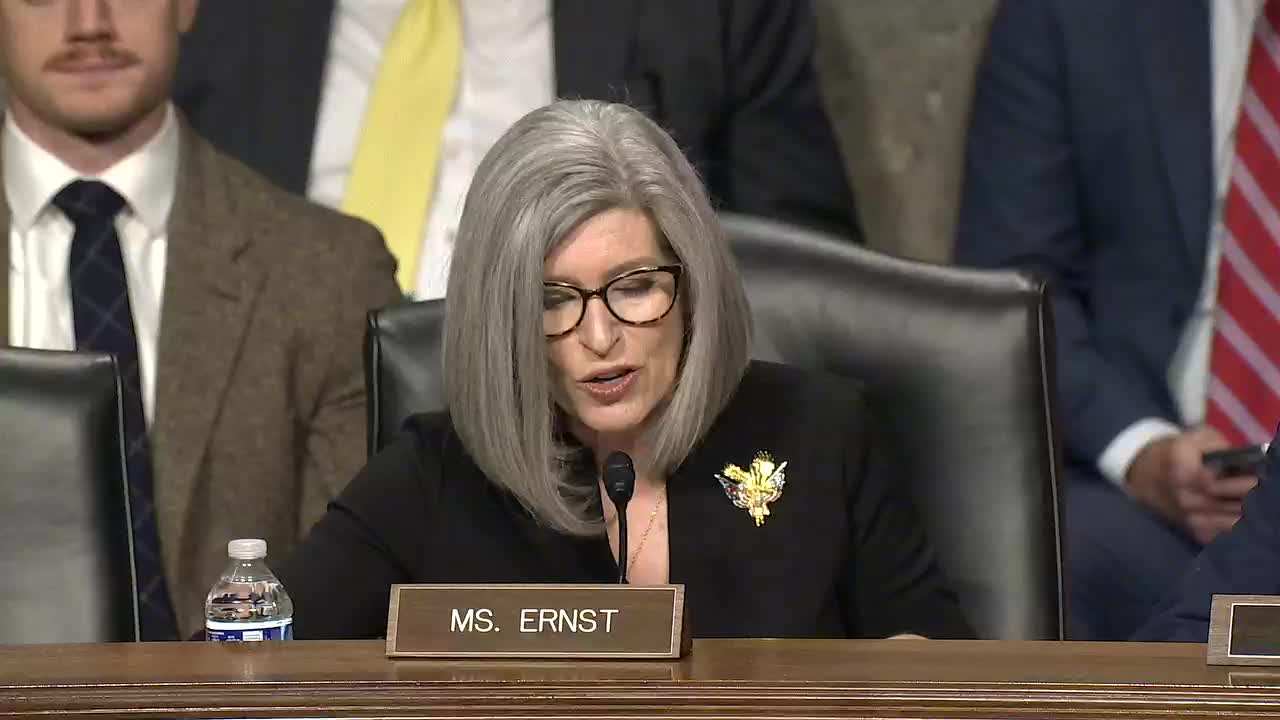
The matter came into focus when Chairwoman Ernst asked the nominee to be Under Secretary of the Army, Mr. Oberdahl, to explain how the Army’s transformation would “enhance the army's ability to respond to the pacing threat posed by China.” Oberdahl replied that “the army that has carried us through the last 4 decades, may not have the ability to match the pacing, threat with China,” and said the service must become “lighter, leaner, much more technologically savvy” across equipment, processes and doctrine.

The initiative, released the prior week, proposes headquarters reductions, command consolidations, accelerated fielding of emerging technologies, and cuts to some ground and aviation procurement. Ranking Member Reid warned that the Army has faced “multi year trend series of flat budgets” and asked nominees how they would balance end strength, modernization and readiness. Reid also noted recent decisions by the Army, including cancellation or planned cancellation of some programs — remarks that senators said require close oversight because they can affect suppliers and operational capability.

Senators repeatedly pressed nominees on the effect of across-the-board personnel targets. Senator King framed the concern about blunt staff cuts: “It should start with how are we doing and where are the positions that we can consolidate or eliminate not working toward an arbitrary number.” King and several other senators said starting with a percentage reduction risks removing essential expertise and cited past examples where reductions had downstream effects on program management.

Small-business implications were raised by Senator Tuberville, who described a firm in Alabama, Griffin Aerospace, that won a contract for the Future Tactical Uncrewed Aircraft System before the Army signaled it would cancel the program. Tuberville urged the Army to “restore faith” with small businesses that invest in competition for requirements that later change.

Other questions addressed specific centers and facilities. Senator Peters asked about impacts on the Detroit Arsenal and the Ground Vehicle Systems Center; Oberdahl said the next months require “the second level of detail” to assess effects on facilities and vehicle-related roles. Senators also asked how merged organizations — including a proposed reunification of TRADOC and Army Futures Command — will be given clear outcomes and milestones so transformation does not undercut essential functions.

Quantitative details discussed in the hearing included the administration’s reported deployment of about 12,000 soldiers to the southern border, an administration guidance noted as proposing about an 8% reduction across the civilian workforce and a reported earlier plan to eliminate roughly 20% of certain senior officer positions. Senators also cited the Army’s announced plan to divest specific aircraft models and to rely more on unmanned systems to fill capability gaps.

Discussion versus decision: the hearing recorded extended exchanges and commitments to follow up; there were no committee votes or formal decisions reported at the hearing. Senators asked the nominees to return with analysis and data; nominees repeatedly committed to reviewing the details and to work with the committee and services.

The committee signaled it will continue oversight as the Army refines the initiative and that senators expect detailed briefings on personnel impacts, facility effects and contractor transition plans.