Mother’s testimony and experts tell senators pediatric clinical trials and cancer research need protection
Loading...
Summary
At the Appropriations hearing, Emily Stinson and multiple scientific witnesses described how federal research funding and clinical trials saved her daughter’s life and said freezes or cancellations of grants and trials would be devastating to children and families.
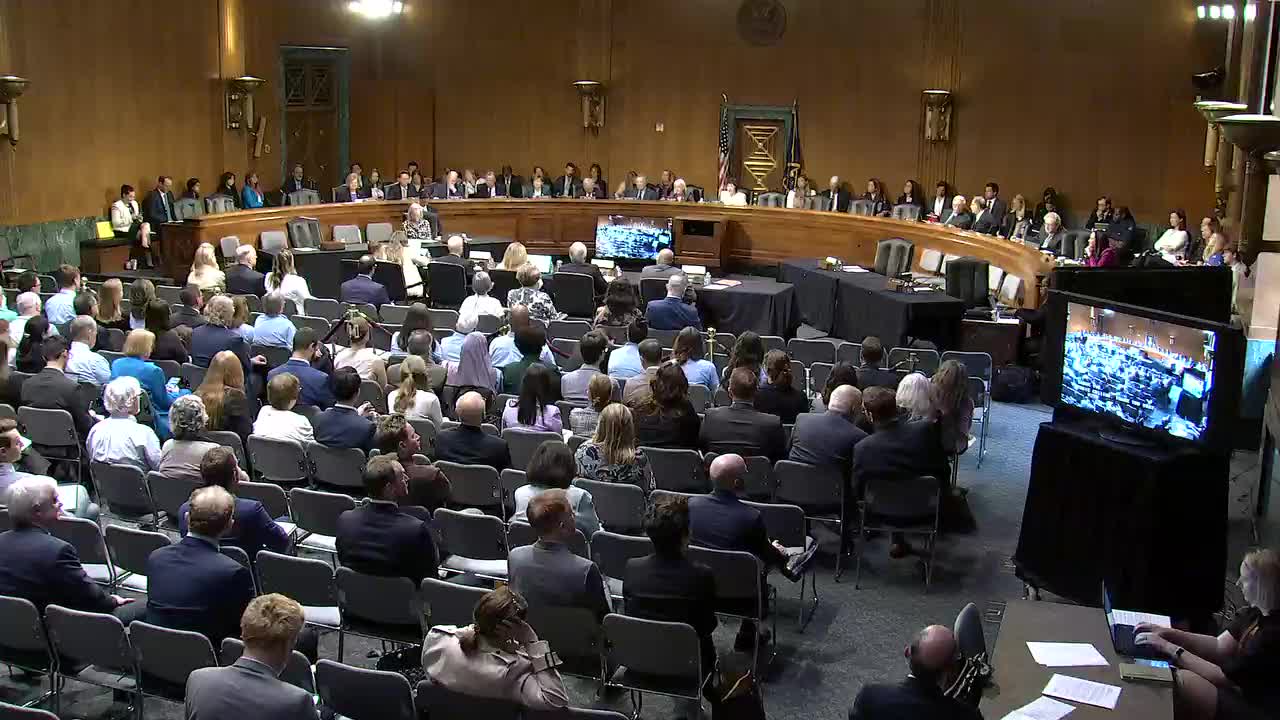
Emily Stinson, a patient advocate and co‑founder of the Stinson Foundation, testified before the Senate Appropriations Committee that her daughter Charlie’s access to clinical trials at Seattle Children’s Hospital produced a lifesaving outcome.
“Charlie was diagnosed with stage 4 germ cell cancer in November of 2022 when she was just 3 years old,” Stinson told the committee. She described a 5‑inch tumor that had spread to Charlie’s liver, subsequent high‑dose chemotherapy and stem cell transplants, a relapse and a second course of treatment. Stinson said Charlie is again cancer free and “started preschool in February and is back to the joyful chaos of 5‑year‑old life.” She attributed access to experimental treatments and fertility‑preservation measures to the clinical‑trial infrastructure funded and enabled in part by federal research programs.
Witnesses and committee members repeatedly connected Stinson’s account to broader funding actions. Vice Chair Murray and others said the administration had terminated dozens or hundreds of grants and was withholding or proposing deep cuts; Murray said cancer research grants worth more than $137 million across 18 states had been terminated and described delays or cancellations affecting trials. In response to Murray’s question about the effect of canceled trials, Stinson said: “It would be devastating. There's no other option often than a clinical trial. How can you look at these families and say, we're taking away the only option to save your child.”
Clinical researchers described how funding and administrative capacity support pediatric trials. Dr. Barry Sleckman said NCI‑supported clinical trial networks and institutional support enable enrollment, monitoring and patient safety; he noted that without institutional capacity to run trials, families must travel or have no options. Dr. Sudip Parikh and other witnesses emphasized the role of federal funding across the research pipeline — from basic discovery through translational trials — and warned that hiring freezes, canceled grants and staff departures at NIH and FDA reduce the pace at which trials open and patients can enroll.
Senators from both parties cited the STAR Act (a bipartisan law aimed at pediatric cancer research) and other initiatives as examples of prior congressional action to expand pediatric research capacity. Several members said they would seek to protect pediatric‑focused research and long‑running cohort studies; the committee left the record open and solicited written statements from institutions and patient groups.
Stinson and witnesses urged prompt action to restore agency staffing and resume awarding appropriated funds, calling such steps essential to preserving access to clinical trials that, in many cases, can be the only available treatment option for children with rare or advanced cancers.