Lifetime Citizen Portal Access — AI Briefings, Alerts & Unlimited Follows
Senators warn administration actions are jeopardizing NIH, FDA and U.S. biomedical research
Loading...
Summary
At a Senate Appropriations Committee hearing, senators and witnesses warned that recent grant cancellations, staff departures and proposed budget cuts are disrupting grant awards, clinical trials and the research workforce that sustain U.S. biomedical leadership.
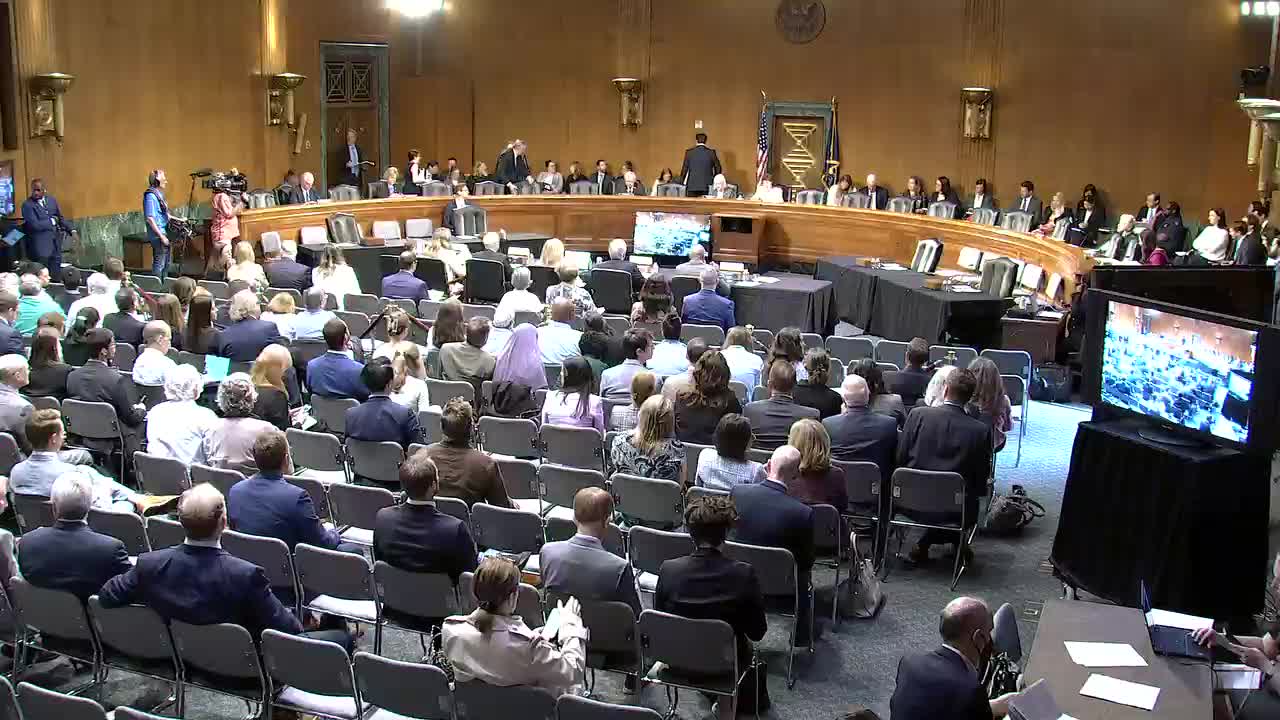
The Senate Appropriations Committee convened a hearing on biomedical research where senators from both parties and leading scientists warned that recent administration actions and proposed budget cuts threaten the United States' leadership in biomedical research.
The hearing, chaired by Senator Collins and led in opening by Vice Chair Senator Patty Murray, focused on “Biomedical Research: Keeping America’s Edge in Innovation.” Collins said the hearing reflects “the high priority that this committee places on biomedical research.” Murray told the committee she was “deeply alarmed that President Trump has taken a wrecking ball to our biomedical research enterprise,” listing grant cancellations, staff layoffs and a proposed steep reduction in NIH funding as immediate threats.
The concern centered on two near-term disruptions: abrupt personnel actions that removed thousands of scientists and administrators from agencies that distribute and regulate research funding, and delays or cancellations in grant awards. Dr. Sudip Parikh, chief executive officer of Science and the American Association for the Advancement of Science, warned of “impoundment by default” if appropriated FY2025 funds are not obligated quickly, saying the current pace of grant administration risks letting congressionally approved funds go unused. Parikh added: “If those dollar numbers, anywhere from 20 to 45% are real, I want to be really clear. We're no longer in a race with China on biomedical research. We will have lost that race.”
Witnesses and senators provided details on the fallout. Murray said the administration had “ax[ed] 800 grants over a billion dollars in research” and had blocked “$2,000,000,000 in grant funding,” and described staff reductions that she said included thousands of NIH employees. Multiple witnesses confirmed that peer-review panels were canceled or delayed and that the loss of grant administrators is slowing awards. Dr. Barry Sleckman, director of the O’Neal Comprehensive Cancer Center at UAB, and Dr. Herman Haller of the Mount Desert Island Biological Laboratory both described how reduced or delayed awards impede opening and running clinical trials and can force institutions to reduce staff who support trial oversight.
Patient testimony underscored the human stakes. Emily Stinson told senators that her daughter Charlie, diagnosed at 3 with stage 4 germ cell cancer, received care and clinical-trial access at Seattle Children’s that “drastically improved her quality of life” and led to Charlie being cancer-free. Stinson said clinical trials had preserved Charlie’s fertility and hearing and that pausing or canceling such trials would be “devastating.”
Committee members repeatedly pressed witnesses on whether NIH could obligate the $47 billion appropriated for FY2025. Dr. Parikh said the money can be spent “if the will is there,” but he said the current rate of awards is insufficient and that agency staffing and process stability are required to avoid impoundment. Senators cited specific numbers from the record and witnesses: the committee-approved FY2025 NIH appropriation (referred to in testimony as about $47 billion), reported administration proposals to slash NIH funding (witnesses echoed a leaked “passback” suggesting cuts ranging up to 44%), and reported staff departures at NIH and FDA in the low thousands.
Lawmakers and witnesses also warned of longer-term consequences. Multiple witnesses described accelerating recruitment by foreign institutions and companies (notably in China and Europe) of U.S.-trained scientists who face uncertain career prospects. Dr. Parikh said early-career scientist recruitment is collapsing in some programs and that “we are gonna lose talent in a way that we've never seen before.” Witnesses urged the committee to prioritize stability — particularly timely obligation of already-appropriated funds — and to press the administration to restore staff and clear guidance so peer review and grants can proceed.
The committee kept the record open for additional written submissions and directed that letters and testimony would be included in the hearing record by a stated deadline. Chair Collins closed the hearing after thanking witnesses and noting the committee’s intent to follow up on specific funding and staffing questions. The committee also announced the record would remain open until Friday, May 9 at 6 p.m. for written questions and materials.
Going forward, senators on both sides urged quick, concrete steps to get agency processes back to normal so approved funding is used, clinical trials continue, and early-career scientists are not lost to other fields or foreign institutions.