Get Full Government Meeting Transcripts, Videos, & Alerts Forever!
Get email alerts on the Charter Investigations topic
No spam. Unsubscribe anytime.
Charter panel to revise council investigation language after union objections
Summary
The Lansing Charter Commission agreed May 6 to return revised language on council investigations and employee cooperation after city unions raised collective-bargaining concerns; the commission directed staff to draft deletions and clarifications for review next week.
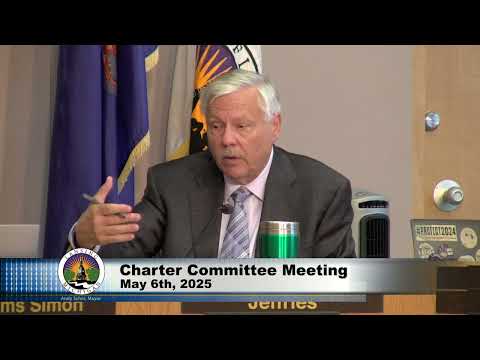
LANSING, Mich. — The Lansing Charter Commission on May 6 agreed to return revised language on council investigations to address concerns from union representatives about possible conflicts with the Public Employee Relations Act (PERA).
The issue centered on proposed revisions to Article III (council investigations), including language that would let the council compel attendance of “city officers” and require employees to “cooperate” with inquiries. The commission’s city attorney, Kristen (city attorney), told commissioners her legal review did not find that drafting the charter revision and submitting it to voters would by itself violate PERA, but she said the language contains “gray areas” that could touch mandatory subjects of collective bargaining and would likely require bargaining after voter approval.
The matter drew sustained criticism from several commissioners. Commissioner Washington said she would oppose language that “compel[s] any employee of the city to have to come to a meeting,” saying it could put employees in a precarious position under union rules. Commissioner Dowd and Commissioner Bauer expressed similar concerns about council authority to recommend discipline or demand records directly from rank‑and‑file employees.
After discussion, commissioners instructed staff and the attorney to return with revised language that removes or clarifies the most contested provisions — including the provision on compelling attendance and several subsections described in the packet (3‑207 subsections related to compelling attendance and 3‑206 subsections 1–3) — and to bring related edits to section 2‑302.2(d) (language about forfeiture of office) back for review at the next meeting. The chair said the commission would prepare the correct procedure for making those deletions or amendments and review them when the attorney provides redlines.
The commission did not adopt final charter text on the subject at the May 6 meeting; the action recorded was direction to staff and counsel to draft clarifying deletions and bring them to the next meeting for consideration.
Why it matters: Changes to the charter’s investigation provisions could shift how the city council obtains information about city affairs and how employee participation in council inquiries is handled. City unions told the commission the language as drafted could implicate collective bargaining rights and asked for specific carve‑outs. The attorney advised the commission that, even if voters approve charter language, implementation affecting terms and conditions of employment would be subject to bargaining between the city and unions.
What comes next: The commission expects redrafted language next week that will (per commissioners’ direction) either remove the contested clauses or explicitly limit their application to exclude union‑covered employees or employee discipline matters, and will revisit related provisions in Article II at that time.