Get Full Government Meeting Transcripts, Videos, & Alerts Forever!
Get email alerts on the Land Use Zoning topic
No spam. Unsubscribe anytime.
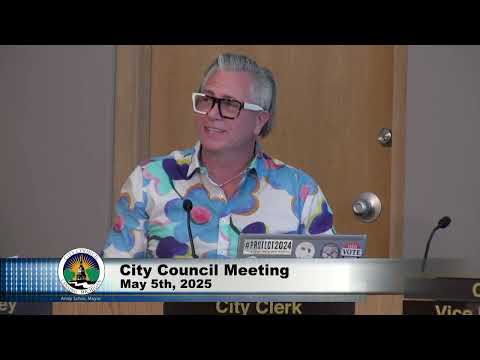
Lansing council adopts new form‑based zoning code and allows accessory dwelling units
Summary
The City Council repealed and replaced the city's zoning code with a form‑based code and adopted rules permitting accessory dwelling units with size, setback and owner‑occupancy limits after council and public review.
The Lansing City Council on Monday adopted a sweeping rewrite of the city's zoning code and a separate ordinance allowing accessory dwelling units (ADUs), actions supporters said will promote predictable development and expand housing options.
The new form‑based code, approved 7‑0, repeals and replaces Part 12, Title 6 of the Lansing Codified Ordinances except for Chapter 1300 on marijuana operations. The council also adopted, by the same margin, an amendment to Chapter 1250 to permit detached ADUs in specified residential districts.
The zoning update aligns Lansing's regulations with the city's design and comprehensive plan and state enabling legislation, clarifies definitions, updates district classifications and refines regulatory language to promote compatible land uses, Council Member Sam Garza said before moving the ordinance.
Under the ADU ordinance, one detached ADU per lot is allowed in prescribed districts. Key restrictions cited by Garza include a minimum size of 400 square feet, a maximum of 1,000 square feet (and not to exceed the ground‑floor area of the main dwelling), a 15‑foot height limit (20 feet where part of a two‑story garage), minimum 10‑foot side and rear setbacks, and banning ADUs in front yards. Minimum lot sizes are 7,500 square feet in R‑1 and 6,000 square feet in other listed districts; maximum rear‑yard coverage is 33% and total lot coverage 65%. The ordinance requires that either the ADU or the primary home be owner‑occupied and that rentals be registered and licensed.
Speakers at public hearing stages and in the meeting record included residents and advocates who urged expanded housing types. Jason Lachowski, associate state director of government affairs for AARP Michigan, told the council ADUs provide affordable, accessible housing options and urged a yes vote. Shereen Khambine of the Immigrant and Refugee Resource Collaborative said diversified housing types support families who prefer multigenerational living.
Clerk Swope conducted a roll call; the council recorded seven yeas, zero nays, and the ordinances were adopted on final passage.
The ordinances take effect under the city's usual adoption procedures; the council did not specify a delayed effective date during the meeting.
The action follows multiple committee reviews and unanimous endorsements by the planning commission, according to remarks during the meeting.