Get Full Government Meeting Transcripts, Videos, & Alerts Forever!
Get email alerts on the City Budget Hr topic
No spam. Unsubscribe anytime.
City of Lansing HR presents 'status quo' budget, plans new training role
Summary
Department of Human Resources told the Committee of the Whole the proposed fiscal-year budget is largely unchanged, with one planned training and dispute-resolution position to support onboarding and supervisor training; the department said it is converting personnel files to electronic records and exploring limited collaboration with 3‑1‑1.
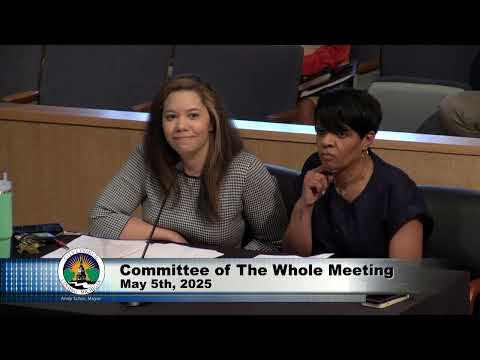
Department Director Elizabeth O'Leary told the Lansing City Committee of the Whole on May 5 that the Department of Human Resources' proposed budget for the coming fiscal year is largely unchanged from the current year.
O'Leary said, “the answer is basically at this point overall the budget is status quo and some of the modest adjustments between each line item based upon what was projected and the cost that was projected.” She said the department plans to onboard a previously approved training and dispute-resolution administrator to expand employee and supervisor training.
Why it matters: The position is intended to provide new-supervisor orientation, onboarding and offboarding support, and performance-management development that the department said units currently lack capacity to deliver. The department said there are no cuts to permanent positions and no retirements among HR staff reported for the past year.
What was discussed: O'Leary and Deputy Director Kyla Moore answered detailed questions about staffing and systems. The department said it has one FTE vacancy that left during the past year and uses some contract workers for hiring, labor relations and payroll-benefits tasks. HR is mid-conversion to an electronic file system for personnel and medical files and plans to move TEA (temporary employee agreement) contracts to the NeoGov platform.
On the city's payroll and financial platform migration, O'Leary said HR has faced challenges but credited payroll staff for handling the transition: “their ability to sustain the momentum and to be positive about it has been instrumental.” The department also said it has not used 3‑1‑1 to receive confidential HR calls but is exploring potential collaborations where confidentiality permits.
No formal action was taken on the HR presentation; it was presented for the council's review as part of the department budget presentations.
Ending: Council members asked follow-up questions about benefit-line changes and fringe accounting; staff said some shifts in fringe allocations reflect how a recently costed training position was entered in personnel lines rather than split across fringe accounts.