Get Full Government Meeting Transcripts, Videos, & Alerts Forever!
Get email alerts on the Uncollectible Receivables topic
No spam. Unsubscribe anytime.
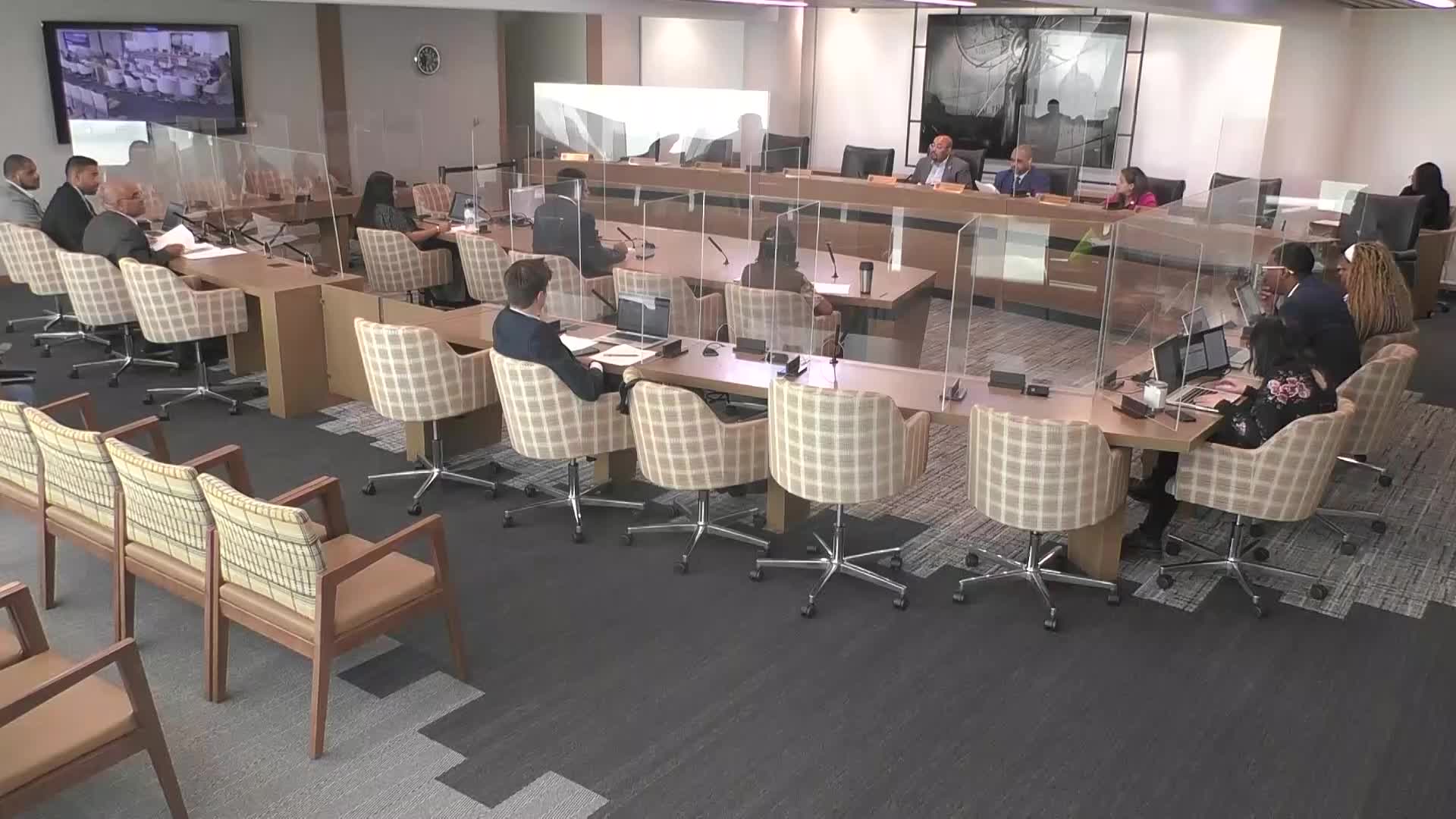
City committee advances $75 million write-off of old uncollectible receivables
Summary
The committee moved to send a resolution to council to write off about $75 million in mostly pre-bankruptcy receivables, citing missing records and low collection prospects; officials said the action cleans up the city's balance sheet.
Detroit's Budget, Finance and Audit committee voted to send a resolution to formal session that would write off roughly $75 million in uncollectible accounts receivable, largely linked to pre-bankruptcy records and aged emergency medical service (EMS) bills.
The write-off "cleans up the balance sheet," Treasurer Nikhil Patel told the committee, calling the request the city's "second annual write off request." Patel said the request reflects items with little supporting data or low recovery prospects, including $58 million tied to pre-2013 special assessments and receivables and about $14.2 million in EMS accounts. "These are individuals who are indigent or unfortunately may have passed away," Patel said of the EMS accounts.
The action matters because auditors recommended removing unsupported legacy balances that sit on the city ledger but have no actionable collection data. Deputy Treasurer Noah Barrow said the total had fallen from last year's request of about $123 million to approximately $75 million, and described the write-off as a cleanup effort to make reported assets more representative of collectible amounts.
Committee members asked how long the city expects to reach a steady state where only recent, collectible receivables remain on the books. Patel replied the city's standard operating procedure established last year is to look back six years and remove truly uncollectible items, and he said he expects to reach a steady state "within this next fiscal year."
Councilmember Gabe L. Corley (speaking as a committee member) and others said the annual write-off process responds to outside audit recommendations and should reduce the legacy pre-bankruptcy balances reported on the ledger. Member Gabriela Santiago Romero asked about missing contact data; city staff said older invoices transferred from legacy systems often lacked addresses or billing detail, leaving large sums on the balance sheet without supporting records.
The committee's action was procedural: members moved to send the item to formal session with a recommendation to approve, and "hearing no objections, that action shall be taken." The resolution will next appear for formal council consideration.
Clarifying details from the city at the meeting: $75,000,000 total write-off request; $58,000,000 attributed to pre-2013 special assessments and receivables; $14,200,000 in EMS receivables; approximately $1,000,000 in other pre-June 2018 miscellaneous receivables; and about $1,900,000 in special assessments and solid waste fees from 2003'to 2018.