Get Full Government Meeting Transcripts, Videos, & Alerts Forever!
Get email alerts on the Water Utility topic
No spam. Unsubscribe anytime.
Ridgewood Water proposes $25.1M budget, flags PFAS, lead-line work and an 11.5% average rate increase
Summary
Ridgewood Water presented a $25.12 million 2025 budget and a proposed rate package that would raise the average residential annual bill about 11.5% as the utility advances PFAS treatment plants, lead-service-line replacements and distribution upgrades.
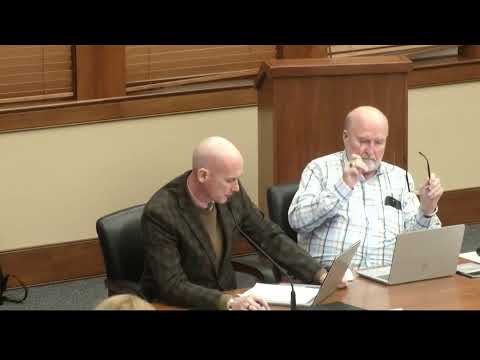
Rich Kalbi, general manager of Ridgewood Water, and Business Manager Michael Kors presented the utility’s 2025 proposed budget of $25,123,197 at the council’s Feb. 3 meeting and outlined major capital and regulatory drivers.
Kalbi said about $19 million of the proposed total supports 2025 operating requirements and roughly $6 million covers debt service. He explained that more than half of the utility’s debt-service burden for 2025 is tied to the utility’s PFAS treatment master plan, which requires construction of multiple treatment plants and raw-water mains to connect satellite wells.
PFAS and infrastructure: Ridgewood Water is in a multi-year program to install PFAS treatment. Kalbi said 12 plants are needed across the system; two are in service, six are under construction, and he expects additional contracts to break ground this year. The utility also has roughly 52,000 feet of raw-water main planned to connect 21 wells; about 9,500 feet are in the ground.
Lead-service-line replacement and water‑quality work: Kalbi said the utility has replaced about 800 utility‑side lead service lines to date and coordinated replacements with about 200 private‑side customers. The water utility will put out a four‑town contract this year that would allow coordinated replacement to proceed on a larger scale.
Rates and customer impact: Ridgewood Water proposed a rate package that includes fixed facility charges, a PFAS surcharge and volumetric usage charges. Under the proposal, the typical 5/8‑inch residential meter customer using the historical average of 7,000 gallons per month (about 70,000 gallons annually) would see an estimated annual bill rise of roughly $80, about an 11.5% increase over 2024. Kalbi said the majority of water-rent revenue (about two‑thirds) comes from variable usage and is therefore sensitive to weather.
Nut graf: The budget ties major near‑term cost pressure to regulatory demands — PFAS treatment plant construction, lead-service-line replacement, and distribution improvements — and proposes a rate increase to spread the costs across the customer base.
Next steps: The water utility will publish supporting materials and the council will discuss the rate proposal at a March work session; the ordinance introducing water rates is scheduled for March 12 and final reading is set for April 9.
Ending: Kalbi and his team said they are seeking grant and federal assistance where possible and have engaged financial consultants to review the plan; staff and council members asked for continuing updates on grant applications and timeline milestones.