
Wyoming Energy Authority and utilities begin interim work on large electric loads and transmission policy
Get AI-powered insights, summaries, and transcripts
Subscribe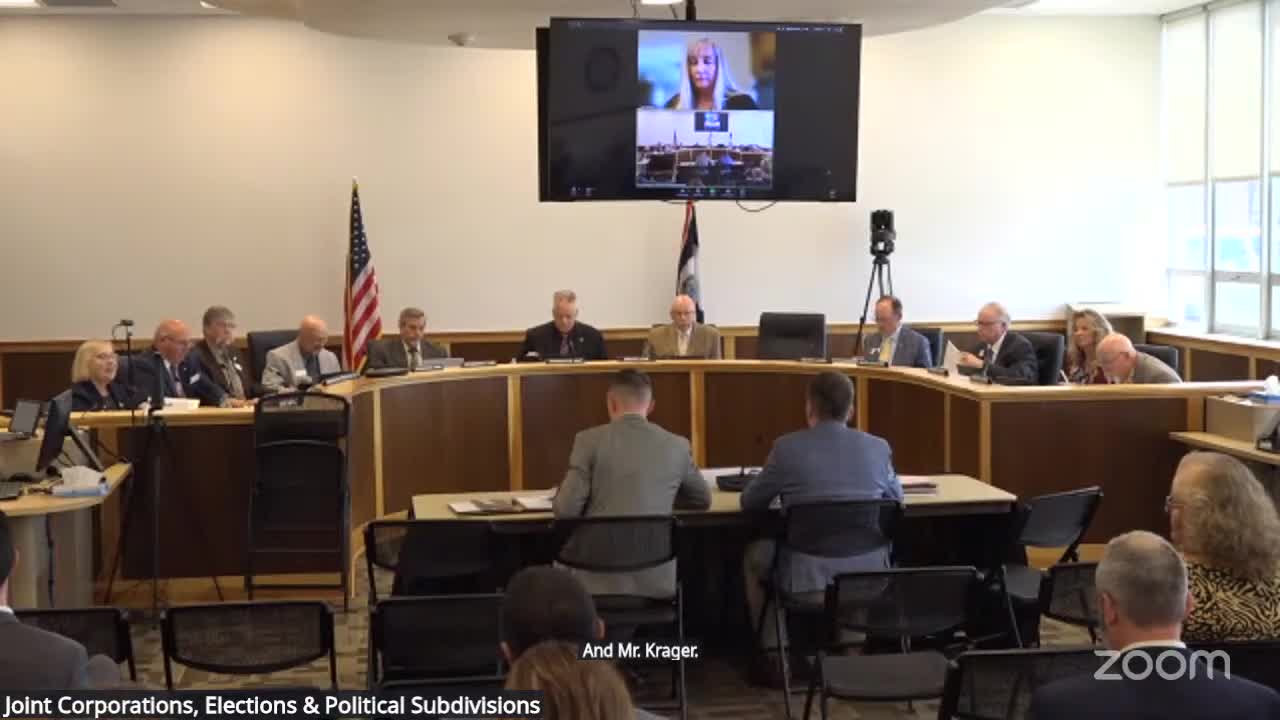
Summary
The Wyoming Energy Authority and major utilities told the Corporations, Elections & Political Subdivisions interim committee they will convene utilities, co-ops, consumer advocates and industry to seek consensus on handling large new electric loads, third-party generation and transmission costs tied to data center growth.
Rob Krieger, executive director of the Wyoming Energy Authority, told the committee the authority’s statutory mission includes “diversify and expand the Wyoming economy through improvements to the state's electric and energy transmission infrastructure” and that WEA will convene utilities, co-ops and consumers to identify policy options.
John Jenks, WEA’s director of energy market development, said the authority has begun stakeholder meetings with Rocky Mountain Power, Tri-State, Basin Electric, Black Hills, the Public Service Commission, the Office of Consumer Advocate and large customers. He presented a proposed interim schedule of outreach, straw proposals and a third interim report to the committee.
Why it matters: utilities reported an industry surge of interest from data centers and AI operations — “over 10 gigawatts” of requests in Pacificorp’s service territory — while Wyoming’s current peak load is about 1 gigawatt. Utilities and co-ops say cost and credit risk for rapid large-load additions should not be imposed on existing ratepayers.
Key points
- Large loads: Rocky Mountain Power said the cost should “follow the cost causer” and urged contracts and credit protections so current customers do not absorb speculative project risk. Rocky Mountain Power also noted the multistate allocation protocol for Pacificorp will expire December 31 and the company will file proposed state-by-state allocations by the commission’s September deadline.
- Co-op perspective: The Wyoming Rural Electric Association said co-ops and generation-and-transmission providers have historically served rural economic development and want to work with state leaders to preserve reliability and rural access while exploring new loads.
- Public interest and oversight: The Public Service Commission and the Office of Consumer Advocate stressed rate impacts, insurance cost pressures and the importance of preserving ‘‘used and useful’’ principles: Wyoming customers should only pay for assets that provide them benefit.
- Data centers and local benefits: Cheyenne’s mayor said large data centers have supported local property and sales tax bases and some high-paying technical jobs; utilities noted several data centers were using innovative tariffs to pay for system upgrades without shifting costs to other customers.
Numbers and clarifications
- Over 10 gigawatts of speculative service requests in Pacificorp’s (Rocky Mountain Power) six-state footprint; Wyoming’s peak load is “just under 1 gigawatt” by WEA’s account.
- WEA staff: 8 people (small centralized office intended to convene stakeholders and preserve confidentiality where appropriate for commercial proposals).
- Energy matching funds and carbon-capture projects: WEA has processed rounds of grants (EMF/energy matching funds); several carbon-capture studies and pilot planning efforts are underway, with one advanced project drilling wells in Sweetwater County; taxpayers’ exposure will be discussed at the Minerals Committee review requested by WEA.
Stakeholder snapshots
- Tom Carter, Rocky Mountain Power vice president of government affairs: Company will file allocation proposals by September 1 and wants commercial terms that protect existing customers from speculative new-load costs.
- Sean Taylor, Wyoming Rural Electric Association: Co-ops represent a different ownership model and will seek consensus approaches that protect rural cooperative members.
- David Bush, Black Hills Energy (Cheyenne Light): Company implemented an LPCS (large power contract service) tariff in Cheyenne to let large data-center customers take market energy and pay for required upgrades; the company said it had zeroed out a CCUS surcharge on Cheyenne customers as of Jan. 1, 2025.
- Anthony Ornelas, Wyoming Office of Consumer Advocate: Urged scrutiny so new growth “pays for itself” and warned about passing risks to residential and small-commercial customers.
Committee direction and next steps
- The energy authority will keep convening stakeholders, provide the committee with a summer schedule of meetings and return to report interim recommendations and draft options for statutory or regulatory change.
- The Public Service Commission continues rulemaking on certificate-of-service territories, nonutility generators and outage reporting; WEA said it will coordinate input from utilities, co-ops and consumers to present consensus where possible.
Ending
The committee asked WEA and the utilities to return with more detailed cost-allocation options, possible tariff models for hyper-scale loads, and proposals to protect Wyoming ratepayers. Members emphasized the need to balance economic development with protecting residential and longtime industrial consumers.
Speakers quoted in this article were: Rob Krieger (Wyoming Energy Authority), John Jenks (Wyoming Energy Authority), Tom Carter (Rocky Mountain Power), Sean Taylor (Wyoming Rural Electric Association), David Bush (Black Hills Energy), Mike Robinson (Public Service Commission), Anthony Ornelas (Office of Consumer Advocate), Thor Nelson (Wyoming Industrial Energy Consumers), Patrick Collins (Mayor of Cheyenne).