
Pecos council presses Housing Finance Corporation for transparency after HFC briefing
Get AI-powered insights, summaries, and transcripts
Subscribe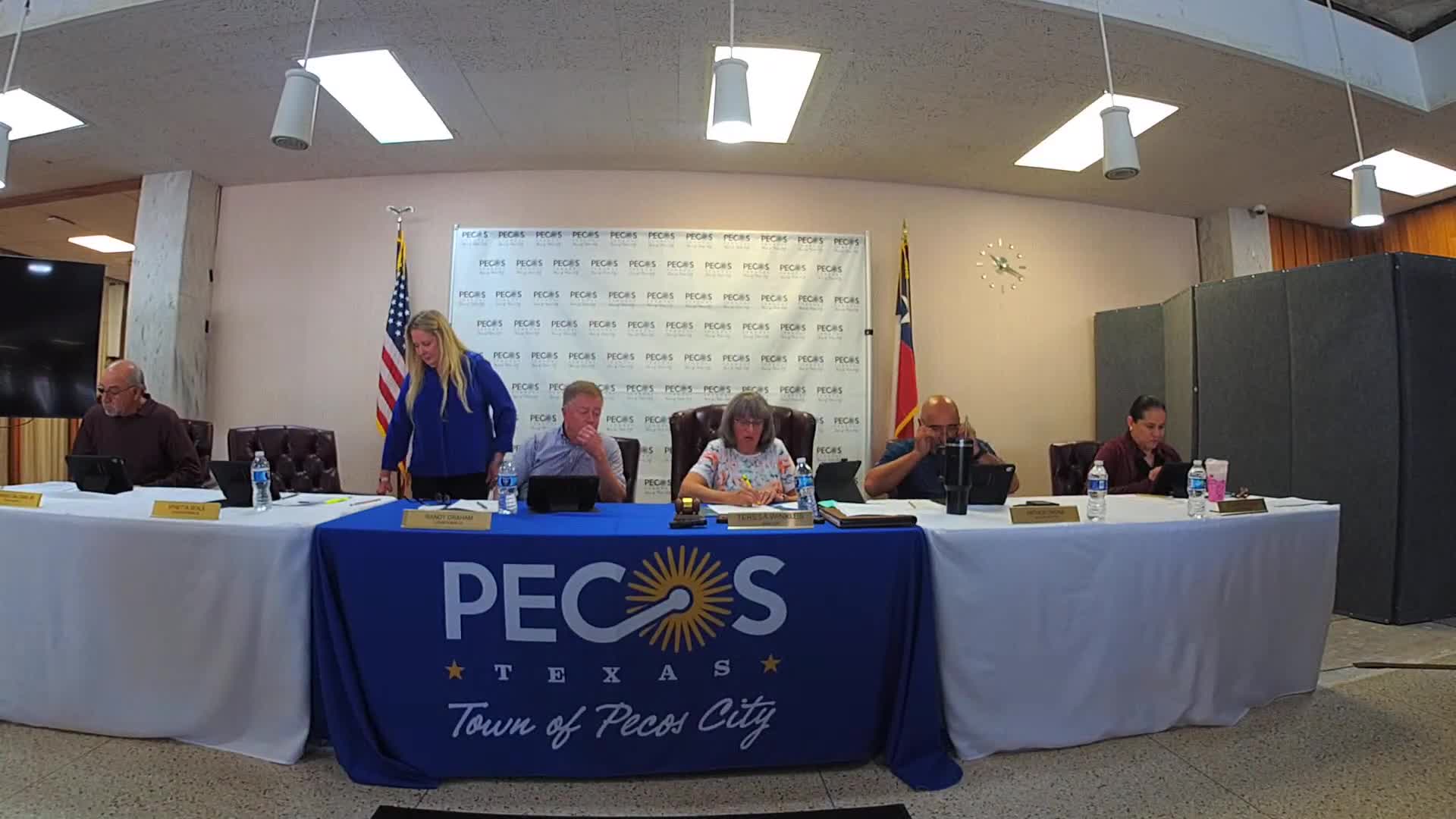
Summary
Council members and consultants described how the Pecos Housing Finance Corporation (PHFC) is using private capital to fund local home repairs and affordable-housing deals, while several council members asked for audits, closing statements and clearer communication after critical press coverage and pending litigation elsewhere.
The Pecos City Council heard an extended briefing May 8 from the Pecos Housing Finance Corporation on its programs and finances, and several council members pressed PHFC leaders for more documentation and faster, clearer communication.
PHFC Executive Director John Salcedo told the council that the corporation has “invested so far over $426,000 in essential repairs to dilapidated housing for Pecos,” focusing on life-and-safety work and accessibility modifications for low- and moderate-income residents. He said the repair program is funded with private capital, that about 30 additional applications are pending, and that the PHFC intends to pursue multifamily repairs and further partnerships locally.
The briefing drew sustained questions about a financing structure sometimes called the “traveling HFC” model, which consultants said is used by several Texas housing finance corporations. Sebastian Barrajal of Convergence Housing Group, a consultant working with PHFC, told the council the HFC is a public nonprofit “not a taxing body. They do not have the ability to grant property tax exemptions.” He added that where a project qualifies for a property-tax exemption under state statute, the exemption is administered by the appraisal district where the property sits.
Why it matters: council members said press coverage and social media had raised community concerns about whether Pecos residents were losing tax revenue and whether outside investors or operators were benefiting at local expense. Council members repeatedly asked for documentation the PHFC had not previously provided to the council: bank statements, closing statements for projects, executed leases (not memoranda), and the detailed budgets underlying the projects that PHFC leaders described.
During the discussion, PHFC consultants said the Pecos HFC had not invented the program, that similar deals have been used elsewhere, and that the structure can generate income-restricted housing for teachers, nurses and other local workers while also funding local programs like the home-repair work. Barrajal said some reporting about Pecos had been “sensationalized” and that legal challenges involving other jurisdictions were ongoing; he recommended discussing litigation details in executive session.
Council members asked for regular audit-level reporting. Salcedo said he is audited annually for his housing-authority role and offered to provide more formal audits for the PHFC. Multiple council members pressed for closing statements, copies of regulatory agreements and ground leases, and a clearer public explanation the city could give residents. At the meeting’s end, the council entered executive session under attorney consultation; staff later said more documents would be provided to council members and that PHFC representatives would be available for follow-up questions.
What was not decided: the council did not vote on any change to PHFC governance, funding, or existing projects during the May 8 meeting. Staff and PHFC representatives said they would produce additional documentation and return with a written package to answer outstanding questions.
Context and next steps: PHFC leaders emphasized that their home-repair program is already delivering work in town and that all home-repair funds to date were private dollars. Council members asked staff to obtain the closing statements and leases they had requested and to schedule a follow-up briefing after members had time to review the materials. Several council members also asked staff to coordinate a public explanation or fact sheet the city could distribute to respond to published reports.
Quotes used in this story come from the council meeting transcript and were attributed only to speakers who spoke on the record at the May 8 Pecos City Council meeting.