Somersworth schools propose $23.7 million budget; tax‑cap alternative would cut about $1 million and roughly 10 positions
Loading...
Summary
Superintendent John Shea presented a $23.7 million superintendent recommended FY2026 school budget (6.2% increase). A tax‑cap‑compliant request of $22.7 million (3% increase) would require roughly $1 million in reductions and eliminate approximately 10 positions, including classroom and special‑education roles, the presentation said.
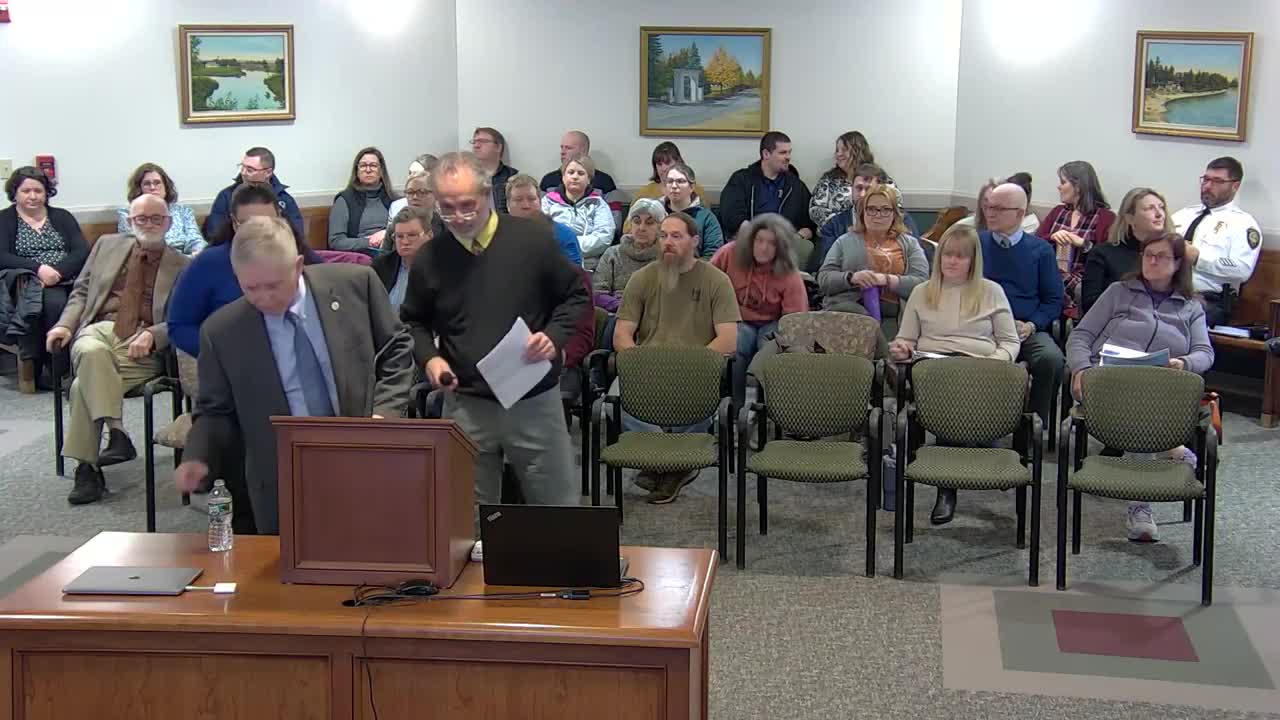
Superintendent John Shea presented the Somersworth school department's FY2026 budget options to the Somersworth City Commission: a superintendent's recommended request of $23,700,000 (a 6.2% increase, about $1.9 million) and a tax‑cap‑compliant request of $22,700,000 (a 3% increase, about $900,000).
Shea told commissioners the superintendent's recommended figure reflects mostly negotiated salary increases and higher health insurance costs. "That $1,900,000 is overwhelmingly, salary increases connected to collective bargaining agreements that have already been made and health insurance far and away," Shea said. He said salaries and benefits are the largest portion of the school budget and that the district's salaries are around the state average; he also noted state funding shortfalls and special education obligations imposed by federal and state law.
Business Administrator Katie Krause laid out revenue and expenditure detail. She said estimated revenue for next year is just over $10,500,000 (an increase of $56,836). The school board voted to use $200,000 of this year's fund balance as revenue for next year. Krause presented a $993,009.66 total for salary increases in the superintendent's recommended budget and a benefits increase of $469,445 driven largely by a 14.4% increase in health insurance premiums. She said the district budgeted for seven additional paraprofessional positions required by students' current Individualized Education Plans and that contracted special‑education services rose by $408,696; out‑of‑district placements decreased, producing about $368,855 in savings.
Krause described transportation contract increases: the regular education transportation contract with First Student rose by 8.25%, while Career and Technical Center (CTC) transportation increased 3%. She also described technology and other line‑item adjustments (a net technology decrease of roughly $143,481 after removing a previously planned phase‑2 appropriation).
Krause summarized the cuts necessary to meet the tax cap: roughly $1,000,000 in reductions, including about $130,000 in non‑personnel cuts and about $900,000 in personnel reductions that would amount to roughly 10 positions. Those personnel reductions appear in a three‑tier list she described during the presentation: • Tier 1 (lower impact): remove a $35,000 SAU roof replacement and freeze building‑level increases; reduce facilities spending. • Tier 2 (moderate impact): absorb the athletic trainer contract increase, eliminate one Maplewood building aid. • Tier 3 (higher impact, staffing): eliminate a Maplewood teaching position, a middle school case manager, a middle school teaching position, the CTC program and teacher, a high school teaching position, a library media specialist, reduce facilities overtime/hours, reduce 1–2 SAU positions and reduce or contract out the district social worker. Krause said tier 3 totals $883,000 in reductions.
Shea emphasized special education pressures: the district spends about $11,000,000 on special education and receives less than $2,000,000 in state and federal aid for that cost, requiring local funding to cover the balance. He also noted steady enrollment over the past five years (roughly 1,300–1,350 students) with a large current kindergarten class and some students counted as school‑age but not enrolled.
Krause and Shea provided estimated tax impacts: the superintendent's recommended budget would yield an estimated tax impact of about $0.88 per $1,000 assessed value; the tax‑cap‑compliant budget would produce an estimated tax impact of about $0.34 per $1,000. Both figures are estimates subject to final assessment and council action.
The school presenters said they had held a recent public forum and provided additional analytics on enrollment and budget tiers to councilors after questions. No formal decisions or votes to adopt either budget option were recorded during the session.