Get Full Government Meeting Transcripts, Videos, & Alerts Forever!
Cheshire reviews $60 million bond sale, bond premium and plans to pare capital projects ahead of FY26 budget
Summary
Town staff reported a $60 million debt issuance for two new elementary schools, a $1.9 million bond premium and a roughly $5.7 million debt-service reserve; council members pressed staff to close old capital accounts and avoid new debt while debt service peaks.
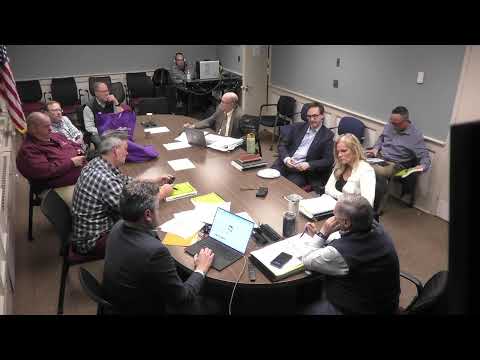
Town of Cheshire staff told the Town Council at a workshop Thursday that the town completed a $60 million financing last week to fund two new elementary schools and is weighing how much of a $1.9 million bond premium and existing reserves to apply to next year’s debt service.
The discussion, which focused on debt-service projections and the capital improvement program, came as staff presented initial assumptions for the proposed fiscal 2026 operating and capital budgets and asked the council whether to add new capital borrowing this year.
Sean, a staff member who presented the sale, said the transaction included $40 million of long-term bonds and $20 million of bond anticipation notes that come due in one year and are expected to be folded into next year’s bond issuance. “We did get bond premium… This year was $1,900,000,” Sean said. He told the council the bond sale produced an interest rate of about 3.6% on the $40 million tranche, close to projections, and that the town will need to use a portion of the premium—about $170,000—to align accounting with the budgeted rate. Jim, a staff member, gave the current debt-service reserve balance as about $4,000,000; after the premium allocation Sean said that puts the reserve at roughly $5,700,000.
Why it matters: the town’s debt-service-to-budget ratio is projected to climb above the council’s 10% policy target in the next fiscal year as the schools’ payments come online. Staff emphasized that the most durable way to reduce future pressure is to reduce new capital borrowing rather than rely on one-time reserves.
What staff presente…
Already have an account? Log in
Subscribe to keep reading
Unlock the rest of this article — and every article on Citizen Portal.
- Unlimited articles
- AI-powered breakdowns of topics, speakers, decisions, and budgets
- Instant alerts when your location has a new meeting
- Follow topics and more locations
- 1,000 AI Insights / month, plus AI Chat