Get Full Government Meeting Transcripts, Videos, & Alerts Forever!
Get email alerts on the Parks Master Plan topic
No spam. Unsubscribe anytime.
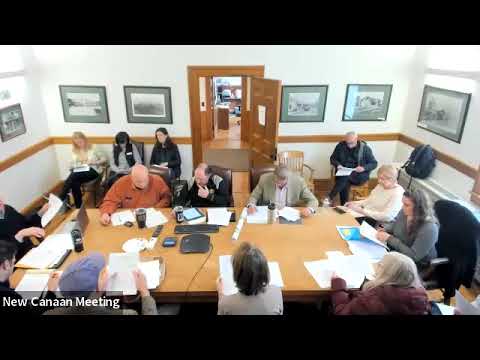
New Canaan committee hears residents’ plans, schedules site walkthrough for Kiwanis Park
Summary
A New Canaan parks committee reviewed leases and residents’ aspirations for Kiwanis Park, approved meeting minutes and agreed to a site walkthrough to inform a master plan; flooding, leases and nighttime use emerged as recurring issues.
The Kiwanis Park Master Plan Committee in New Canaan reviewed deed and lease limits on park uses, heard a series of resident and user-group aspirations for improvements, approved the minutes of its previous meeting and agreed to a site walkthrough at the park.
Committee co-chair Keith Ritchie opened the meeting by reviewing historic documents and leases that, he said, restrict the park to recreational uses. Ritchie summarized an original conveyance that, in his words, limits the property’s use to “park and recreational purposes only.” The committee then heard detailed wishes from neighbors, the YMCA, the preschool and other regular park users on items such as trail improvements, erosion control, restroom upgrades, flood mitigation and maintaining quiet hours.
The discussion matters because the committee is preparing a master plan that will map what activities and facilities are appropriate where on parkland that is partly in a flood-prone area, and because several long‑standing leases and user rights (Girl Scouts, a community nursery school and the YMCA) could limit what changes are feasible.
Committee business and next steps
The committee voted to approve the previous meeting’s minutes; members said the motion carried with nine affirmative votes. The matter of the minutes was raised early and a motion to approve passed without further substantive amendment.
Members and many public commenters emphasized three recurring themes: (1) flood risk and site constraints, (2) maintaining residential tranquility and hours of use, and (3) infrastructure and upkeep needs.
Flooding and site constraints
Residents and committee members cited historic flooding near the river and pond inside the park. A resident said home flooding had increased over the past five years and referenced a published account of a home that had five feet of water in a prior event; committee members also cited a town flood study and earlier master-plan documents that identify floodways. Committee members and frequent park users said any trail, boardwalk or facility proposed near the river must be designed to tolerate periodic inundation.
Hours of use, leases and permitted activities
Several neighbors asked the committee to preserve quiet hours and to limit nighttime activities; speakers noted that some user groups (for example, troops or the exchange club’s holiday lot) have historically operated evening or early-morning events. Committee members reminded the group that user rights derive from leases and historic grant language. John Howe, identified at the meeting as director of parks and recreation for the town, and other committee members said they would review underlying lease terms to determine which activities are contractually protected and which the committee can address in the master plan.
Infrastructure, maintenance and program suggestions
Speakers from the YMCA and the community preschool and multiple residents offered specific upkeep items and program ideas: improved parking and pavement striping; repaired basketball courts; updated restrooms and lighting; more benches, lifeguard and beach parking signage; expanded trash/dog‑waste stations; a concession or staffed information area; pollinator and community garden spaces; and better signage for season passes and events. Several residents asked for clearer delineation of the geographic footprint of each regular user so maintenance and scheduling can be assigned accurately.
Next steps and coordination
The committee set a public site walkthrough to assess trails, flood-prone areas and possible trail extensions. Committee members agreed on a morning meeting at Kiwanis Park pavilion (the group discussed April 29–30 as possible dates and settled on the 30th as the targeted walk-through day at 10 a.m.; participants also discussed a rain date). The committee also requested copies of leases and the town’s historic conveyance documents from users so staff can compile the legal constraints that will inform the master plan.
Attendance and engagement
The meeting included elected committee members and multiple public commenters representing the YMCA, New Canaan Girl Scouts, the community preschool and neighborhood residents. Speakers described a mix of housekeeping items the town should address and potential capital improvements that could require separate funding or private fundraising. Several speakers proposed forming a public‑private group to support improvements that the town budget may not cover.
The committee asked members and user groups to provide maps or clear descriptions of the geographic areas they routinely use in the park and said it will circulate revised drafts of the master plan for additional public comment before finalizing.
Ending
The committee closed by confirming future meeting dates and promising to circulate lease documents and reminders about the scheduled walkthrough. No formal policy changes or capital contracts were approved at this meeting; the meeting focused on information gathering and scheduling the next site review.