Get Full Government Meeting Transcripts, Videos, & Alerts Forever!
Get email alerts on the Watershed Udo Amendments topic
No spam. Unsubscribe anytime.
Moore County planning staff recommend updates to watershed rules; stop short of adopting high‑density option
Summary
Planning staff presented proposed changes to Chapter 16 of the Unified Development Ordinance to align county watershed rules with state requirements and clarify stream determinations; staff recommended delaying any "high‑density" overlay option until the county has a stormwater enforcement position.
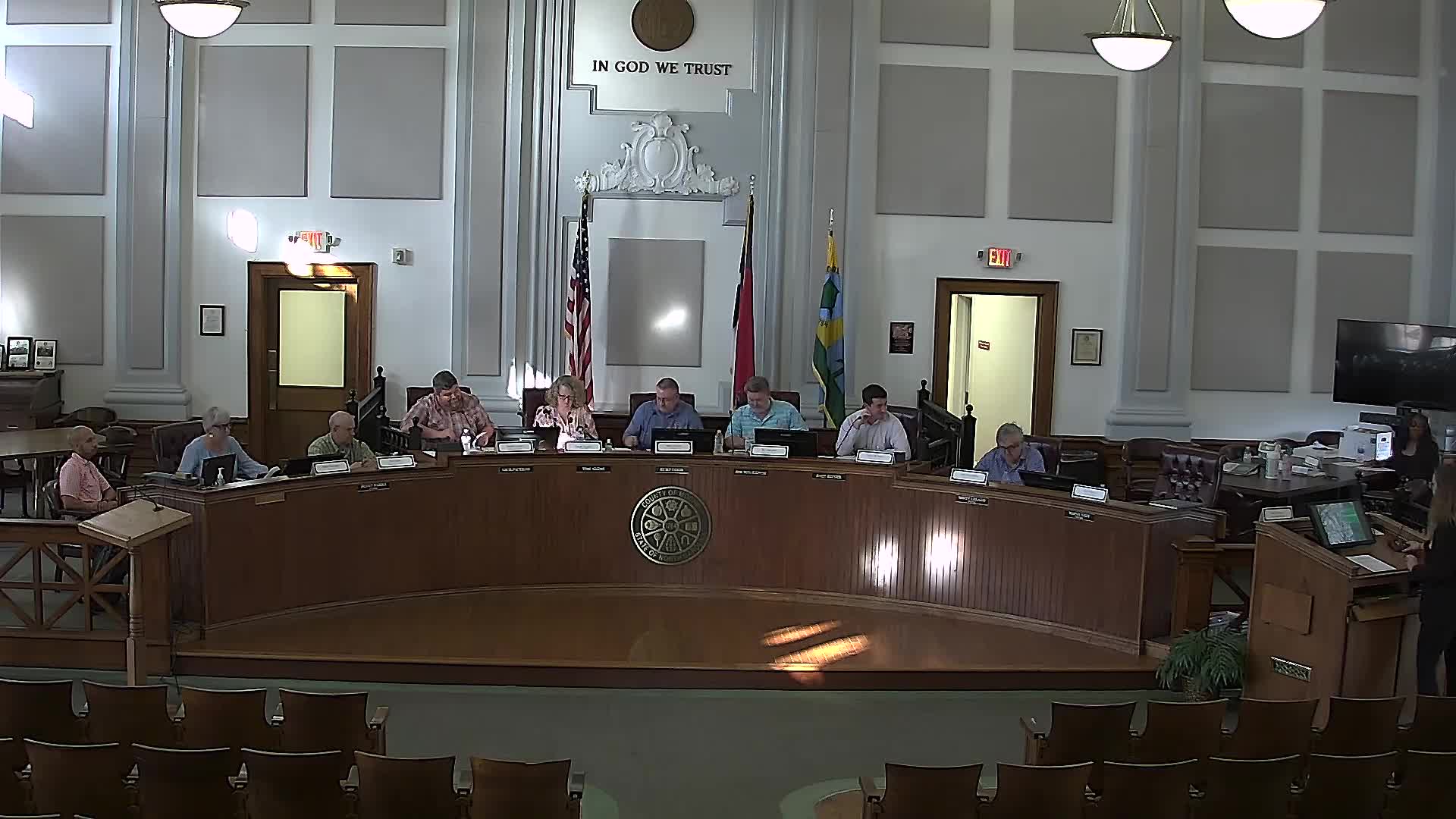
Moore County planning staff on April 1 outlined proposed text amendments to the watershed chapter (Chapter 16) of the countyUnified Development Ordinance to bring local rules into alignment with state standards and to add clarity on stream determinations and variance procedures.
The changes, presented at a Planning Board work session, would update language to match the state model ordinance, add a note referencing a state statute cited in the staff materials, permit an on-site stream determination by a qualified individual where topographic maps do not distinguish stream type, and expand the minor/major variance language to mirror state guidance. Staff also presented an optional "high density" overlay district that would allow a greater percentage of built-upon area but would require engineered stormwater controls, increased inspection, and a county-ready maintenance plan if controls were abandoned.
"We are not in a place right now as a county to adopt the high density option," a planning staff member said, recommending the board move forward with the other changes and defer the high‑density option until the county has designated stormwater enforcement personnel. The staff member added that the state model ordinance is included in the packet as an alternative for the board to adopt in full.
Board members asked for clarifications about stream determiners and qualifications. One Planning Board member argued for clearer language that permits an on-site stream determination rather than limiting such determinations only to cases where maps show discrepancies. A staff member replied that the language could be revised and that the recommended text was pulled from guidance provided by a reviewer.
Paul Clark was identified in the staff briefing as the person who provided the recommendations and the model language options. Staff told the board the statutory note in the packet highlighted a state provision allowing applicants to exceed built‑upon area if they meet multiple statutory standards.
Board members also expressed concern about enforcement capacity. "If we adopt that high density, then we're gonna have to ... have it and we may in the future, but not right now. We are not equipped to do that," a board member said, noting sewer extensions along NC-211 would be a precondition for much higher density development.
The board discussed whether to make the definition of a "qualified individual" more specific (for example, limiting it to a soil scientist or certified delineator) and staff recommended keeping the definition broad enough to include certified engineers, soil scientists or other qualified delineators while relying on state approval on the back end.
No formal vote was taken on the watershed amendments at the work session. Staff said it will revise language based on the board's feedback and return the proposed amendments for further consideration.
Planning board members asked staff to confirm statutory references and to prepare revised draft language that: (1) removes the high‑density option from the initial package, (2) clarifies the on‑site stream determination language, and (3) aligns the minor/major variance language with the state's model text.
The board moved on to the next agenda item after the discussion.