Get Full Government Meeting Transcripts, Videos, & Alerts Forever!
Get email alerts on the Short Term Rentals topic
No spam. Unsubscribe anytime.
Kittitas County staff review 895-response survey on short-term rentals; enforcement costs and state limits highlighted
Summary
Planning staff told the Kittitas County Planning Commission that a county survey drew 895 responses and showed mixed views on regulating short-term rentals; staff and commissioners discussed potential rules (occupancy limits, annual permits, noise and parking limits), enforcement costs and limits set by the state definition of short-term rentals.
Kittitas County planning staff presented results of a community survey that drew 895 responses and showed divided public opinion on whether the county should adopt short-term rental (STR) regulations.
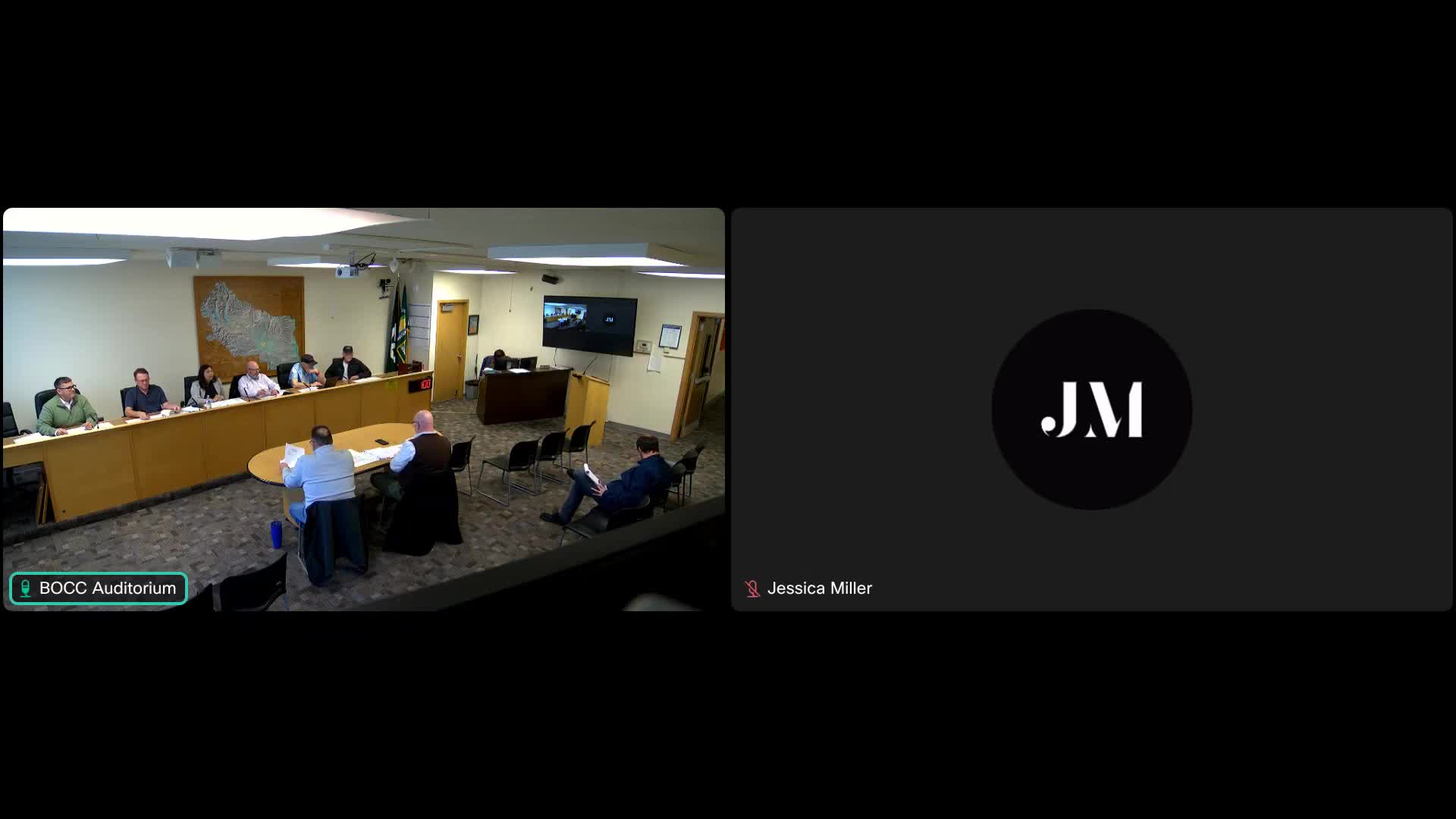
The presentation, made during the planning commission's April meeting, laid out top regulatory options identified in the survey — occupancy limits, annual permit or registration requirements with fees, and noise restrictions — and warned commissioners that enforcing robust rules would require new staff and recurring costs.
“They're currently allowed. There's no regulations,” said Jeremy (staff member), summarizing current county law and the purpose of the survey. He told commissioners the short-term rental committee began work in April 2024 and that the survey ran for 60 days; the committee will use the results to recommend whether and what regulations to develop.
Why it matters: commissioners and staff said neighbors complain chiefly about noise, parking and overcrowding at rental properties; managers and some owners warned that heavy regulation could harm small operators and local rental businesses. Staff emphasized tradeoffs between regulation that protects neighbors and the county’s capacity to monitor and enforce rules.
Key details from the presentation and discussion
- Survey size and responses: staff reported 895 total responses. The survey asked whether respondents supported some form of regulation; staff described the overall split as roughly 60/40 across all responses. Staff also said 213 respondents skipped a follow-up question (question 12) that asked which specific regulations to consider; 60 respondents explicitly indicated they opposed regulation in that follow-up analysis. Staff identified 254 respondents who said they operate short-term rentals.
- Most-mentioned regulatory ideas: the three top responses staff summarized were (1) occupancy limits or caps, (2) an annual registration/permit requirement with fees, and (3) noise restrictions. Other topics raised in comments included parking, fire/life-safety and insurance requirements.
- Enforcement capacity and cost: staff and commissioners repeatedly noted that stringent regulatory systems — such as Chelan County’s cited example, which includes a tiered permit system and dedicated staff — require funding. Staff said Chelan County added three dedicated staff to implement its code and described Kittitas County code enforcement as already carrying a large backlog (staff reported more than 350 open enforcement cases). Commissioners asked whether permit fees could fully cover enforcement costs; staff said that would depend on fee levels and the number of permits issued.
- Fire and life-safety inspections: staff said the county has adopted the state’s short-term-rental definition, and under that definition short-term rentals are currently treated as single-family residential uses. Because of that, the fire marshal cannot unilaterally require routine commercial-style inspections unless the use is defined as commercial. Staff recommended the committee consider whether to propose redefining STRs in local code if fire inspections are desired.
- Exemptions and master-planned resort areas: presenters cautioned that master-planned developments with development agreements (the staff used Suncadia as an example) can include their own STR rules; those agreements and private homeowner-association (HOA) rules complicate countywide regulation and may create legal or operational exemptions that the county’s legal team would need to review.
Commissioner and public concerns
Commissioners raised questions about whether regulations would be applied uniformly across the county’s different subareas (urban growth areas vs. unincorporated rural areas), how a cap tied to housing stock would work, and whether fees or taxes (lodging/hotel-motel tax) could produce revenue. Several commissioners urged caution about imposing new burdens on private property owners and asked staff to return with more precise cost estimates, possible fee schedules and legal analysis of definitions and exemptions.
Next steps and committee timeline
Staff told the commission the short-term-rental committee will continue work using the survey results and that the committee will present draft recommendations for public review. Staff also said they will brief the Board of County Commissioners at a study session on April 14 and will supply the commission with copies of model codes from other counties (examples discussed in the meeting included Chelan and Yakima counties). Commissioners suggested a joint meeting with the county commissioners after the committee issues drafts.
Votes at a glance
- Approval of March 11 meeting minutes: motion to approve was made and seconded; the planning commission recorded a unanimous vote in favor with no opposition. (See the transcript: the commission completed the roll call and recorded “Aye” and “No opposition.”)
Ending
Staff asked commissioners for feedback and said meeting minutes and the survey materials had been distributed by email; the short-term-rental committee will continue reviewing the results and return with recommended regulatory language or a recommendation not to regulate. The commission requested additional cost estimates, model code language and a legal review of definitions and exemptions.