Get Full Government Meeting Transcripts, Videos, & Alerts Forever!
Get email alerts on the Business Permitting Attraction topic
No spam. Unsubscribe anytime.
Candidates say permitting, infrastructure and culture slow new businesses; call for proactive outreach
Summary
Forum speakers blamed permitting delays, infrastructure limits (sewer capacity, roads) and committee culture for deterring businesses. They proposed benchmarking, a proactive business-development role, simplified permitting and recruitment focused on complementary employers.
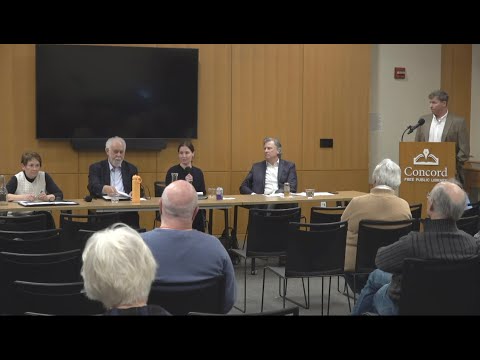
At a Concord Business Partnership forum, selectboard candidates and attendees blamed permitting processes, infrastructure constraints and committee practices for deterring new businesses and recommended several tactical reforms.
Panelists and audience members described a culture that can default to refusal at early committee stages and cited specific local experiences: an anecdote about a restaurant owner who decided not to complete an exterior patio after the historic‑district commission and building‑inspector requests; and an example of a renovation that would have required replacing water and sewer mains while a 5‑year street moratorium made that impossible, discouraging the developer.
Candidates proposed concrete reforms: create a proactive business‑attraction position or “development officer” who coordinates town departments and walks applicants through approvals; benchmark town departments and line items against comparable municipalities; simplify or harmonize inspections and permitting across departments; and market Concord’s available land and target complementary employers (for example, companies that would complement Emerson Hospital or existing tourism and arts assets).
Several speakers said infrastructure limits—especially wastewater capacity—are a substantive constraint on permitting and development. Audience comments and candidates noted the town is effectively at capacity in some sewer allocations, and that additional development will require either increased capacity or a mechanism to charge for new capacity.
Candidates and attendees agreed outreach to developers, more predictable fees and clearer pre-application coordination would reduce attrition of prospective business entrants. Mary Hartman and others also urged business participation on town committees so advocates understand and help shape bylaws and practices rather than only criticizing them from outside.