Get Full Government Meeting Transcripts, Videos, & Alerts Forever!
Get email alerts on the Consolidated Plan topic
No spam. Unsubscribe anytime.
Urban County Policy Board reviews draft five-year consolidated plan, urges focused priorities for Year 1
Summary
Resource consultants and county staff presented a draft five-year consolidated plan and the first-year action plan; board members pressed for clearer annual priorities, confirmation of program year funding levels and an earlier June discussion to set solicitation targets for 2026.
The Clark County Urban County Policy Board heard an overview April (date not specified) of the draft five‑year consolidated plan and the first‑year action plan for CDBG and HOME funds, with Resource Consultants’ Elizabeth McNaney and county staff laying out goals, projects and next steps.
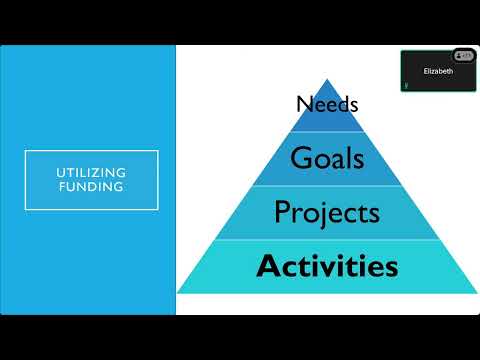
The consultant said the five‑year consolidated plan will set broad goals and strategies while the annual action plan will break those goals into specific projects and activities for Program Year 2025, which begins July 1. “The 5 year plan is really about broad strategies and goals and objectives,” Elizabeth McNaney, senior consultant, said. She added that the first‑year action plan — included in the consolidated plan — identifies the specific projects already approved for 2025.
Board members and staff emphasized the difference between the consolidated plan’s high‑level buckets and the annual process that sets solicitation priorities. Clark County Community Services staff said the five project-level goals proposed in the draft are: housing; public facilities and neighborhood improvements; economic and asset development; public services; and administration. Projects listed for Year 1 include housing preservation/construction, tenant‑based rental assistance (TBRA), down‑payment assistance, neighborhood improvements (sidewalks, parks), and a public facility remodel (Bertha’s Place) already approved for 2025.
McNaney noted HUD program constraints but said the proposed goals are intended to be broad enough to accommodate nearly all typical CDBG and HOME uses. She described expected funding levels: “This year the county received just over $1,500,000 for CDBG. Twenty percent can be used for planning and admin; 15 percent can be used each year for public services,” she said.
Board members asked how and when the Policy Board will set priorities (for example, TBRA versus housing construction). Staff and the consultant explained that the consolidated plan remains general for HUD submission but that the Urban County Policy Board will set more specific annual priorities when the county issues Requests for Applications (RFAs). Michael Torres, Clark County Community Services, said the most powerful opportunities to influence the next year’s solicitations are the June meeting (to prepare applications) and the September meeting (before issuing RFA guidelines).
Several members supported keeping the draft goals but asked staff to identify potential projects that were not included so the board could weigh priorities. Staff said the draft posted online is the HUD‑formatted document, and that the presentation slides summarize the portion most useful to the board: needs, goals and projects. A final presentation and county council action are scheduled for May 6; submission to HUD will follow when HUD issues entitlement amounts.
Board members also pressed for clarity on estimated outcomes (numbers of units or households served). McNaney said the draft includes conservative estimates to inform planning but those numbers can be adjusted year to year in the annual action plan. She advised setting realistic, low‑side targets to improve the chance of meeting them.
Staff invited further written feedback by email before county council action. The board scheduled a June discussion to set funds and solicitation priorities for the next application round and reiterated that adding a public services project in the consolidated plan would permit the board to consider funding such activities (subject to the 15% cap) in later years without requiring a substantial amendment.
The session closed with the consultant reiterating openness to post‑meeting input and staff confirming changes to the draft were possible prior to council approval.
Ending: The consolidated plan draft will be presented to the county council on May 6; staff requested any additional input from urban county policy board members before that date.