Get Full Government Meeting Transcripts, Videos, & Alerts Forever!
Get email alerts on the School Budgets topic
No spam. Unsubscribe anytime.
Concord, Concord'Carlisle present FY26 school budgets; special-education tuitions and middle-school opening drive costs
Summary
School leaders presented budgets for Concord Public Schools and Concord-Carlisle Regional that meet guideline targets but are shaped by rising out-of-district special-education costs, consolidation savings from the new middle school and several proposed warrant articles for tuition revolving funds and facility rentals.
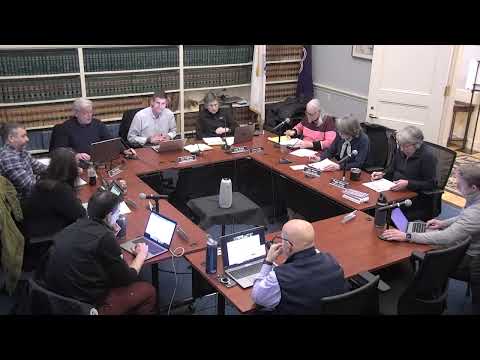
Concord Public Schools and the Concord-Carlisle Regional School District presented their initial FY26 budgets to the Concord Finance Committee on Feb. 13, reporting that each budget meets the guideline set by the Finance Committee but that both face distinct pressures.
Dr. Hunter, speaking for Concord Public Schools, said the district's budget is at the committee guideline of 2.4% and that the district has built consolidation savings tied to the new middle school into the proposal. "We have made consolidations as we said we would," Dr. Hunter said, adding that the district had identified personnel reductions tied to enrollment and the middle-school move but was working to limit programmatic impacts.
Bob, the district finance presenter, said the consolidated middle-school staffing reductions produce roughly $576,000 in recurring savings included in the CPS budget. The new middle school also shifts operating costs: the district budgeted lower energy costs from the new building (an estimated $91,000 utility savings) and included wastewater-treatment contract costs tied to the new facility.
At the regional level, the Concord-Carlisle assessment drivers differ: out-of-district tuition costs are a major factor. Bob said regional out-of-district tuition projections rose by about $462,000 in gross tuition compared with the prior year, driven primarily by special education placements and several individual student cases. The committee had previously agreed to place special-education tuition costs "out of guideline," which district leaders credited with preventing deeper cuts to instructional programs this year.
Both districts flagged federal and state offsets (circuit-breaker reimbursements and federal grants) but cautioned those sources may fluctuate. The districts also noted a pending closure of a temporary shelter whose timeline could affect transportation needs and costs if families remain in school the following academic year; presenters said the shelter's state funding currently ends June 30 and that an August 31 closing date had been discussed in other forums.
Warrant items and revolving funds: School leaders described several warrant articles they plan to file or to ask the town to file, all subject to further review. Proposals included a non-resident tuition revolving fund to accept tuition from other towns or districts that place students in Concord programs (the region already accepts some tuition students), a facilities-rental revolving fund to retain rental revenues for building maintenance and a town-warrant approach to allow multi-year leases and curriculum contracts (up to five years) to obtain vendor discounts. The committee was also told the school committee will seek authorization so bus leases can be administratively handled for up to five years rather than brought to town meeting annually.
Special projects and capital: The presentation noted the middle school temporary occupancy and planned move-ins for staff and students; school leaders invited Finance Committee members to tour the new building before the March meeting. The Thoreau campus and playground improvements remain in active fundraising and CPC review; presenters said Concord's Community Preservation Committee has provisionally supported roughly $446,000 for campus work and a private fundraising campaign aims to raise about $600,000 for the playground.
Why it matters
The school budgets meet guideline targets but carry pressures that could change the assessment to Concord and Carlisle: rising out-of-district special-education costs at the regional level and the operational costs and savings tied to the new middle school at the K D8 level. Warrant articles for revolving funds aim to create clearer revenue lines for nonresident tuition and facility rentals and to allow the districts to capture cost-savings from multi-year vendor contracts.
What's next
District staff will continue to refine projections and expect to bring more detailed warrant language and revenue estimates to the Finance Committee and the Select Board before the warrant closes. School leaders said they will notify the committee when tours of the new middle school are arranged.