Get Full Government Meeting Transcripts, Videos, & Alerts Forever!
Get email alerts on the Public Engagement topic
No spam. Unsubscribe anytime.
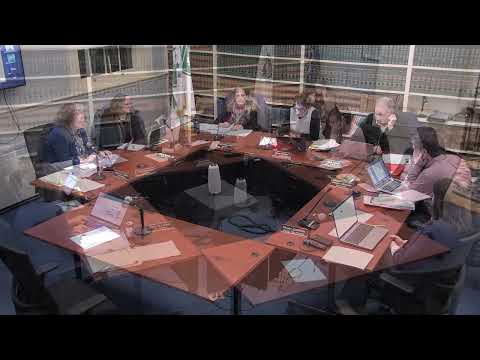
Concord Select Board adopts revised correspondence policy after legal review
Summary
The Select Board approved an amended correspondence policy intended to allow the town to publish citizen letters on its website while narrowing legal risk tied to opening a public forum.
The Concord Select Board on Jan. 27 approved an amended correspondence policy that clarifies when and how citizen letters will be published on the town website.
The board said the policy aims to preserve open communication while reducing the town’s legal exposure if its website is treated as a public forum. Town counsel Mina (Town Counsel) told the board the previous policy’s blanket exceptions could be interpreted as censorship or as creating a public forum, with constitutional consequences. “The rationale, the issue here was that your old correspondence policy…could be construed as having opened up a public forum,” Mina said during the meeting.
The policy changes include a clearer statement that publishing citizen correspondence on the town’s website is a discretionary choice by the Select Board and town staff, not town “government speech” endorsement of the letter content. Mina explained that some categories of material that were previously listed as not-to-be-published were narrowed to avoid excluding First Amendment-protected criticism. She said threatening speech remains outside protected expression and may be withheld.
Select Board members and several members of the public discussed which writers would be allowed to have letters posted. The revised policy says correspondence submitted for publication will generally be limited to those with a demonstrated tie to Concord—such as residents, property owners or businesses operating in town—but the board agreed to soften language from “must” to “should” to retain flexibility for exceptional circumstances.
Public commenters urged broad transparency and inclusion. Tanya Gilles of 62 Prescott Road asked the board to include people who work in Concord in the definition of those eligible for publication and suggested an opt-out for authors who do not want letters posted. Pamela Joy of 13 Concord Green urged the board to publish even threatening letters “for the protection of yourselves and for the public,” saying public exposure can help deter threats.
Select Board members also flagged operational details: letters addressed only to the Select Board may not be posted unless resubmitted for publication, and items already sent to the board are not automatically published unless the author asks. The board decided that correspondence received after approval would be posted consistent with the new policy “as of today” and asked members of the public to resubmit earlier letters if they wished them considered for posting.
The motion to approve the amended Select Board correspondence policy, “as included in the Select Board meeting packet,” passed with the board saying “Aye.” During the motion the board also instructed staff to fix a typographic bullet and to move one paragraph into the policy scope as discussed in the meeting.
The board asked staff to publish updated guidance on the website explaining what kinds of correspondence are most useful to the board and to encourage civility and brevity, while noting that once a public forum is opened it is legally difficult to enforce civility rules.
The board and legal counsel said they will continue to review edge cases — for example, letters that raise privacy concerns or that touch on matters under executive session review — on a case-by-case basis and will provide additional clarifying language before broader outreach to stakeholders.