Get Full Government Meeting Transcripts, Videos, & Alerts Forever!
Get email alerts on the Zoning topic
No spam. Unsubscribe anytime.
Commission amends zoning code to require zoning administrator verify reasonable progress before final certificates of occupancy
Summary
The commission approved an amendment to Section 2101 of the zoning ordinance to require the zoning administrator to confirm that reasonable progress is being made on planned unit developments (PUDs) before issuing certificates of occupancy for phased projects, while allowing phased CFO issuance when appropriate.
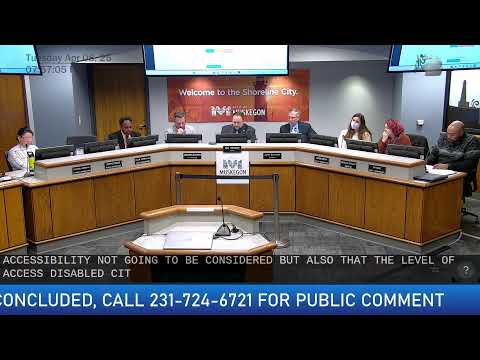
The City Commission on April 8 approved an amendment to Section 2101 of the zoning ordinance to add a requirement that the zoning administrator ensure "reasonable progress" is being made on Planned Unit Developments (PUDs) before final certificates of occupancy are issued.
Jamie Pesch of the planning department told the commission that the change responds to confusion with older, long‑standing PUD approvals—citing a Harbour Town example where sidewalk requirements were not completed as expected after many years. Pesch said the amendment allows the zoning administrator to certify reasonable progress and permit certificates of occupancy on a phase‑by‑phase basis but requires completion of all PUD conditions before a final certificate of occupancy is issued. "It would essentially take any building that is built within a PUD and require that reasonable progress is being made before issuing a certificate of occupancy," Pesch said.
Commissioners asked how ‘‘reasonable progress’’ would be measured, whether appeals routes exist, and how the change would interact with phased construction and unavoidable delays (for example, winter planting seasons or supply‑chain delays). City legal counsel explained that reasonableness is a commonly used objective standard in land‑use and administrative decisions and that the zoning administrator would apply established plan conditions and timelines (such as one‑year start/ five‑year completion standards) when making determinations. The manager explained disputes over the administrator’s determination would typically be routed through the city manager’s office and, where appropriate, could be reviewed under existing administrative appeal processes.
Commissioners stressed that the amendment is intended to provide flexibility for phased projects while avoiding cases where long‑approved PUD conditions are unintentionally omitted because of staff turnover or incomplete follow‑through. The Planning Commission recommended the amendment after discussing a stricter initial draft that would have required every PUD obligation completed before any occupancy; the Planning Commission favored a reasonableness standard to allow phased occupancy while protecting final obligations.
The commission approved the ordinance amendment by roll call vote.
Staff said the amendment will require planning staff and the zoning administrator to document determinations of reasonable progress and to communicate expectations and timelines to developers in writing to reduce future disputes.