Get Full Government Meeting Transcripts, Videos, & Alerts Forever!
Get email alerts on the Municipal Finance topic
No spam. Unsubscribe anytime.
Midyear budget review: sales tax flat, building permits down; city watching revenue and grant risks
Summary
City finance staff reported a stable but cautious midyear outlook: sales tax collections are flat year‑over‑year, building permit revenue has fallen, and several grant streams and state tax proposals remain uncertain; staff said the city is not currently drawing on reserves but will monitor developments ahead of the next fiscal year.
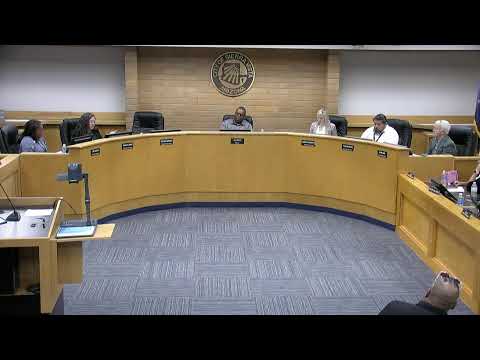
City finance staff presented the fiscal‑year 2025 midyear budget review to the Sierra Vista City Council, telling the council that revenues are stable but that several indicators warrant close monitoring.
The presenter — who described himself as “David Downer” during the report — said sales tax is essentially flat month‑to‑month and slightly below last fiscal year, while building permits and related construction contracting tax revenues are down. “We are keeping a very close eye on things because as you've seen from the sales tax reports, sales tax is basically even slightly very slightly below last fiscal year,” the presenter said. He added that leisure revenues and ambulance transport revenues were up.
The nut graf: Staff said the city is not using general fund reserves at midyear but noted risk factors including lower building permit activity, possible changes to state tax policy, and some federal grant streams the city monitors. Staff recommended close monitoring and identified specific departmental timing and expenditure patterns warranting attention.
The report described several department‑level items: construction on a new animal control facility had progressed but not yet been paid; police and fire staffing had improved toward full strength; IT contracts are front‑loaded early in the fiscal year while parks expenses tend to cluster in spring; and enterprise funds (sewer and refuse) face their own maintenance‑driven pressures. The presenter said the city had budgeted a one‑time million‑dollar adjustment tied to a state transition on shared revenue contributions and that state‑level proposals to change income tax rates were being watched.
Council members asked about specific line‑item overages and recovery plans; finance staff said an unexpected insurance invoice caused a midyear spike in general government spending but that the city would cover the amount through savings in other planned expenditures and review insurance options for the next year. Staff said longer vehicle procurement timelines (ambulances, fire apparatus) and national supply issues have lengthened replacement and build times and that those factors affect budgeting and fleet planning.
Staff concluded that, given current information, the city is on track not to use general‑fund reserves this fiscal year but will continue to monitor revenue streams, grant availability and expense timing and will bring additional data to council as needed.