Get Full Government Meeting Transcripts, Videos, & Alerts Forever!
Get email alerts on the REVENUE & TAXATION HOUSE topic
No spam. Unsubscribe anytime.
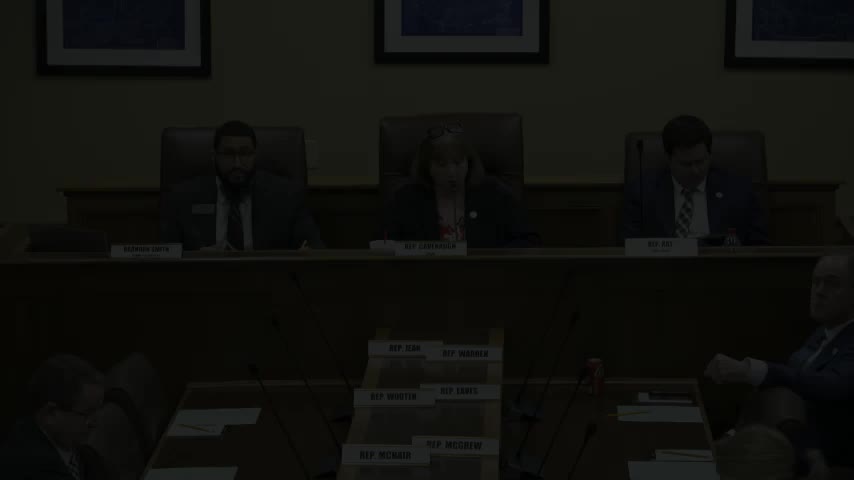
House Revenue & Taxation panel approves bill moving motorboat sales-tax collection to DFNA
Summary
The House Revenue & Taxation Committee voted to pass SB638, which shifts collection of sales tax on motorboats bought from dealers to DFNA, aligning boat purchases with vehicle sales tax collection.
The House Revenue & Taxation Committee passed a bill changing how sales tax is collected on motorboats purchased from motorboat dealers.
State Representative Lee Johnson, District 47, introduced SB638, saying, "this bill is trying to amend the way or or alter the way we collect sales tax on new and used motorboats bought from a motorboat dealer." Johnson told the committee the proposal would move collection of those taxes to DFNA so taxes would be paid when buyers obtain tags, mirroring the process for motor vehicles.
Committee members asked questions about the policy rationale and practical effects. Representative Blindstrom described the Department of Finance process as a "torturous process" and said local offices are "hell's waiting room." Johnson replied that purchasers already must obtain tags and that the bill "isn't doing any different process" for buyers but instead removes the dealer from the role of collecting the tax: "It's just instead of putting the boat salesman in the place of having to collect the tax, tax, the FNA is collecting it directly." Representative McClure asked how many other states use a similar approach; Johnson said he did not have that information on hand and offered to look into it.
No members of the public signed up to speak for or against the bill during the hearing. After closing remarks from Johnson, the committee opened a motion "to pass." There was no roll-call vote recorded in the transcript; the chair called for voice votes, and the motion passed on an affirmative voice vote: "Aye. Opposed say nay. Congratulations. Your bill has passed."
The committee chair closed the meeting, thanked staff, and said any further meetings would be "at the call of the chair."