Get Full Government Meeting Transcripts, Videos, & Alerts Forever!
Get email alerts on the Procurement And Organ Transplant topic
No spam. Unsubscribe anytime.
Committee approves bill restricting certain foreign genomic procurement and addressing organ-transplant sourcing
Summary
Senate Bill 311 passed the committee after testimony arguing for state-level precautions against procurement from firms tied to foreign state influence and to bar participation in certain organ-transplant practices. Supporters framed it as aligning procurement policy with federal security steps; committee approved the bill on a do-pass vote.
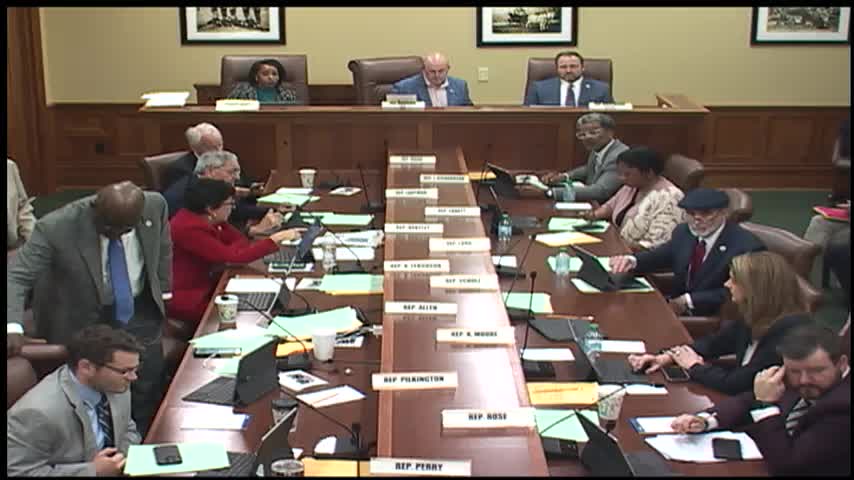
The House Public Health, Welfare and Labor Committee on April 2 approved Senate Bill 311, a measure with two principal elements: limits on procurement from certain foreign genetic-sequencing companies and restrictions related to organ transplants tied to human-rights abuses.
Jackie Deal, an outside expert and adviser to a nonprofit working on foreign-influence risks, testified that certain foreign genomics firms have ties to the Chinese military and to state-supported programs that collect genetic material at scale. Deal described federal measures that have placed some firms on procurement or no‑buy lists and urged Arkansas to adopt state-level protections to avoid routing state-funded purchases to hostile actors.
Sponsors described the bill as a precautionary measure to protect Arkansans’ genetic material and to ensure state procurement does not subsidize firms associated with human-rights abuses. During committee discussion, Representative McGee recounted clinical contacts who observed suspiciously rapid availability of transplant organs in foreign clinics, raising concerns about sourcing.
After brief questioning the committee voted to pass the bill; sponsors said it will bring state procurement and health contracts into closer alignment with federal security guidance and will signal the state’s opposition to organ procurement practices that may involve human-rights abuses.