Get Full Government Meeting Transcripts, Videos, & Alerts Forever!
Get email alerts on the Waste Management Tires topic
No spam. Unsubscribe anytime.
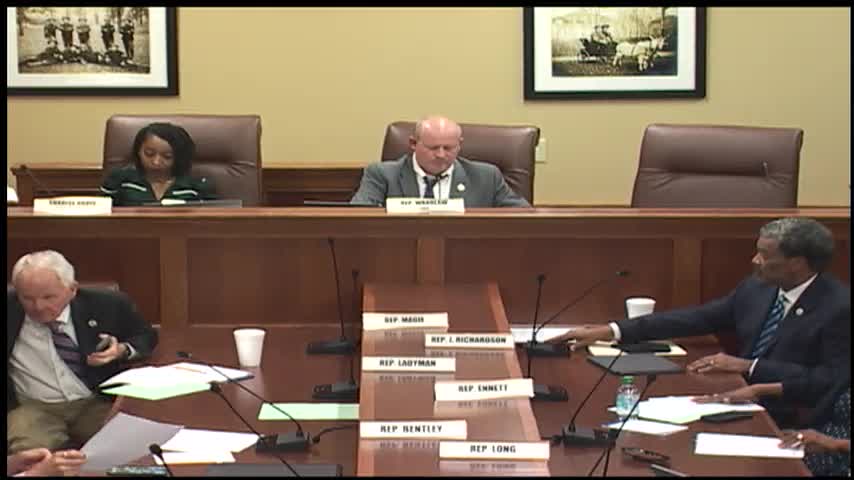
House committee debate splits on bill to raise tire fees, program funding; bill fails
Summary
Senate Bill 238, which would have increased tire recycling fees and restored higher rates for large and agricultural tires to fund processors and district boards, drew extensive debate and testimony from the Department of Energy and Environment, ADEQ, industry representatives and local officials. The committee ultimately voted the bill down.
Senate Bill 238 returned to the House Public Health, Welfare and Labor Committee seeking to increase dedicated fees for tire recycling and to restore higher reimbursement rates for processors and district boards.
Senator Kim Hammer and Senator Peyton (sponsor) explained the proposal would broaden the base of the existing $3 recycling fee to include new vehicle tires sold with a vehicle and would restore higher fees on large truck and agricultural tires. The sponsor said the bill aimed to stabilize funding for the four regional tire district boards, allow processors to make capital investments, and provide consistent reimbursement to private contractors handling collection and processing.
Representatives from the Arkansas Department of Energy and Environment (ADEQ) and the Department of Environmental Quality (DEQ) — including Bailey Taylor, DEQ director, and Lauren Ballard, chief of staff for energy and environment — described current program finances. DEQ staff said the existing program has been “starved” for funding, leaving processors unable to maintain equipment and collection networks. The bill’s sponsor argued increased, stable revenue was needed to avoid stockpiles and abatement liabilities.
Opponents told the committee that a privatized or alternate-fee approach considered earlier in the session would lower the cost to consumers and had support from some private buyers of recycled rubber. There was extended committee questioning about how added revenues would be collected, whether the proposal created a new fee or simply shifted the fee basis to new tires, and how the program’s reimbursements would be set and administered.
After more than an hour of discussion the committee considered a motion to pass the bill as amended. The motion failed; the committee recorded that the bill did not pass.