Get Full Government Meeting Transcripts, Videos, & Alerts Forever!
Get email alerts on the Kratom Legalization topic
No spam. Unsubscribe anytime.
Committee votes to keep kratom illegal in Arkansas
Summary
The committee voted a motion of 'do not pass' on a bill to legalize kratom after testimony from coroners and public-health officials about overdose and contamination concerns; supporters argued existing bans and arrests have harmed users and that regulated sales would be safer.
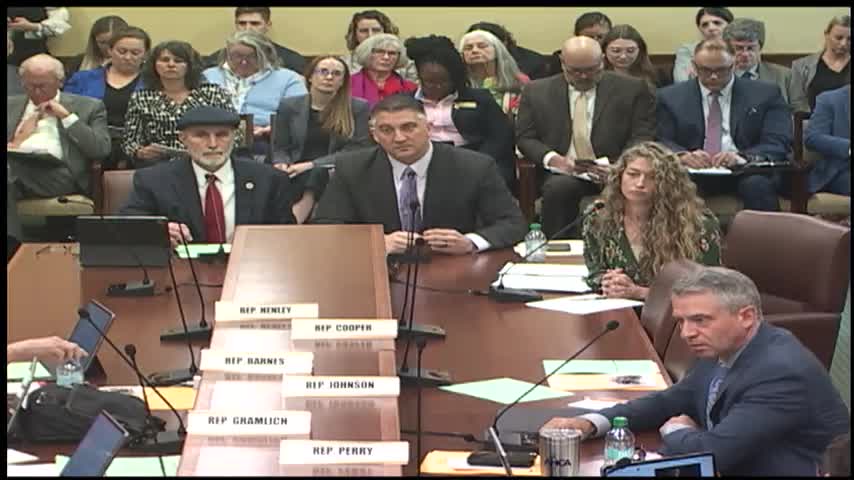
The House Public Health, Welfare and Labor Committee on April 2 voted not to pass Senate Bill 534, a measure that would have legalized kratom sales and established a regulatory framework for processors and retailers.
Supporters told the committee legalization would bring clarity and reduce criminal penalties for Arkansans who obtain kratom elsewhere. Representative Greg Lading, sponsor for a related bill, said many users report self-treatment benefits and that surrounding states have moved to regulate rather than criminalize the substance.
Opposing witnesses included county coroners and the Department of Health. Kevin Cleghorn, a county coroner, said investigators increasingly recover kratom from overdose scenes and warned of mixed toxicity risks. “In small doses, it mimics methamphetamine. In large doses, it mimics an opioid,” Cleghorn said, and he noted that kratom will not respond to naloxone (Narcan) the way classical opioids do.
The Department of Health and a pharmacist from the department highlighted technical, enforcement and safety concerns. Health counsel Laura Hsu noted multiple unresolved drafting issues: overlapping definitions of processors and retailers, questions about enforcement against out-of-state or foreign processors, and a low $500 fine that may not deter noncompliant suppliers. Pharmacist Shane David described product-safety concerns including adulteration, elevated concentrations of 7‑hydroxymitragynine (a potent mitragynine metabolite), contamination risks (salmonella, heavy metals) and unpredictable drug interactions.
During debate Representative Gramlich moved a motion of “do not pass.” The motion carried on a voice vote and the chair announced that the bill “failed.” Sponsors and proponents said they might return with revised language but the committee did not advance the measure.