Get Full Government Meeting Transcripts, Videos, & Alerts Forever!
Get email alerts on the Aba Adult Coverage topic
No spam. Unsubscribe anytime.
Committee declines to extend Medicaid ABA coverage to adults with autism
Summary
Senate Bill 507, which would have removed a Medicaid age limit and allowed applied behavior analysis (ABA) therapy coverage for some adults with autism, failed in committee after state Medicaid officials said the existing waiver language would broaden eligibility and could raise costs substantially.
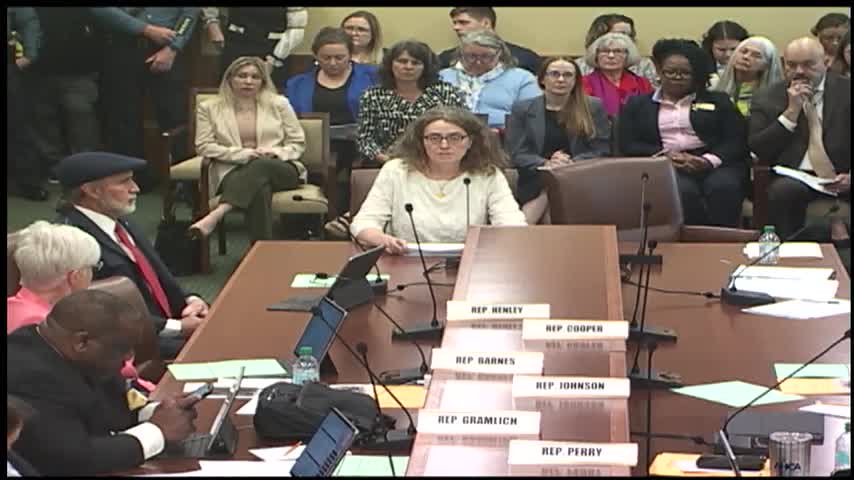
The House Public Health, Welfare and Labor Committee heard testimony April 2 on Senate Bill 507, a measure to remove an age cap and allow Medicaid coverage of applied behavior analysis (ABA) services for adults with autism. Committee members heard personal testimony about benefits but were persuaded by state fiscal analysis and regulatory concerns and ultimately voted not to advance the bill.
Ron Cook, whose adult son receives ABA therapy, said the services enabled his son to work part time, take college classes and gain independence. “He has been able to develop and grow and mature as a result of ABA therapy,” Cook said, describing the therapy’s role in daily living skills and job supports.
Medicaid officials told the committee that their initial fiscal estimate materially understated the scope of coverage the bill would trigger. Melissa Weatherton, director of Medicaid Specialty Populations, explained that the program’s waiver structure (a Section 1915(c) waiver) means a service added to the waiver would be available to multiple diagnostic groups on that waiver, not only adults with autism. Weatherton said the first estimate—derived from the number of adults on a community employment support waiver—could lead to an extrapolated total cost up to $75 million and that the state did not have the funds in its current budget to absorb such an expansion.
Sponsors said the bill was narrow and targeted to adults already receiving waiver services and that the true state share might be lower; they characterized the change as an investment that could yield downstream savings by reducing emergency visits and other acute expenditures. Representative Keith Brooks, a bill sponsor, described the measure as an attempt to continue services that are already effective for some adults and to preserve gains families have achieved through ABA.
Committee members expressed sympathy for families and acknowledged potential benefits, but many also flagged the fiscal and programmatic uncertainty. After brief discussion the chair put the bill to a vote; the committee voted against advancing SB507.