Get Full Government Meeting Transcripts, Videos, & Alerts Forever!
Get email alerts on the Digital Privacy Child Protection topic
No spam. Unsubscribe anytime.
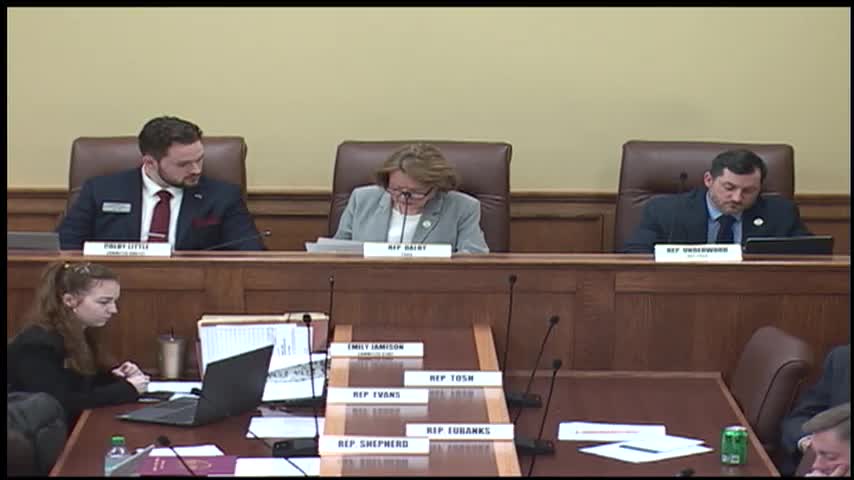
Committee approves Child Content Creation Protection Act to require records and trust accounts for monetized minors
Summary
The House Judiciary Committee passed HB 19‑75, setting new protections for minors monetized as online content creators and creating recordkeeping and trust obligations for adults who profit from a child’s image.
The House Judiciary Committee passed House Bill 19‑75, dubbed the Child Content Creation Protection Act, which would create recordkeeping, notification and financial‑protection rules when adults monetize content that features minors. Representative Gramlett, sponsor of the bill, said the measure aims to protect children who are used as content creators and to ensure earnings associated with a minor’s performance are held in trust until emancipation or age 18.
Under the bill’s thresholds, a child would be considered a monetized content participant if the child appears in 30 percent or more of an adult’s monetized content over a 30‑day period, if the content meets a platform’s payout threshold, or if the content generated more than $15,000 in compensation in the prior 12 months. Once a threshold is met, adult creators who profit from the minor’s content must document earnings, maintain records until the child reaches 21, and place the child’s share in a trust accessible later.
Gramlett told the committee the bill also targets harmful uses of imagery: it would create civil remedies for minors whose images were transformed or used to produce explicit sexualized material via artificial intelligence. The bill requires social platforms to implement notice and removal procedures for requests involving minors and to adopt strategies to reduce intentional sexualization of known minors.
Committee members asked how parents and creators would receive notice of recordkeeping obligations and whether the law would capture everyday family videos that go viral. Gramlett said the bill targets professionalized, monetized activity rather than incidental home videos and offered to work on clearer notice provisions in future drafts. "These are intentional attempts to monetize children," Gramlett said, arguing the bill protects child actors from exploitation.
With no public testimony for or against registered at the committee, members voted to do pass as amended.