Get Full Government Meeting Transcripts, Videos, & Alerts Forever!
Get email alerts on the Criminal Justice Drug Policy topic
No spam. Unsubscribe anytime.
Committee rejects proposal to reduce felony penalties for drug paraphernalia possession
Summary
The Judiciary Committee considered HB 19‑47, which would have aligned paraphernalia penalties with DWI escalation (misdemeanor until the fourth offense); prosecutors opposed the change and the committee voted the bill down after public testimony from prosecutors and residents.
House Bill 19‑47, sponsored in committee as a statutory alignment of drug‑paraphernalia penalties with the state’s DWI escalation scheme, failed after debate and public testimony. Representative Clowney presented the measure as a fairness change that would reduce life‑altering consequences when a person is charged only with paraphernalia and not with possessing a controlled substance.
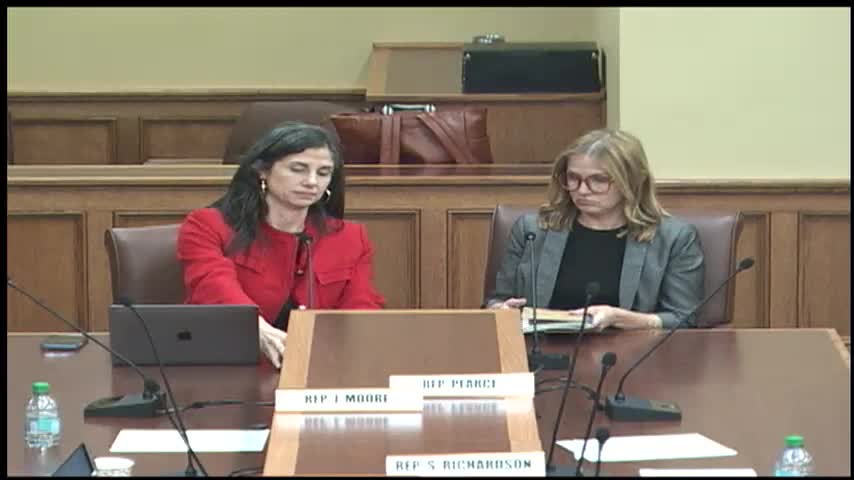
Sarah Moore, executive director of the Arkansas Justice Reform Coalition, told the committee the bill responds to situations where individuals carry small items or happen to have paraphernalia in another person’s vehicle and then face felony charges that destabilize housing and employment. “A felony on your record can derail recovery,” Moore said.
Prosecutors pushed back. Daniel Shue, prosecuting attorney for Sebastian County and president of the Arkansas Prosecuting Attorneys Association, said paraphernalia charges are typically supported by lab testing for residue and that easing penalties would “enable” people with substance‑use disorders by moving them into misdemeanor court with fewer treatment options. “Keeping these as misdemeanors is just enabling these poor addicts,” Shue said.
Multiple witnesses who had personal experience with paraphernalia charges described lost jobs, housing and stability after felony charging and called for alternatives focused on treatment. Committee members questioned whether the bill’s carve‑outs for certain drugs — the sponsor left fentanyl, heroin, methamphetamine and cocaine in higher penalty categories for some provisions — matched the policy intent. Representative Gazzaway raised concerns that the most lethal drugs should remain subject to stronger tools to direct defendants into circuit court and treatment programs.
After discussion, the committee voted; the motion failed on the voice vote and the chair announced the bill did not pass.