Get Full Government Meeting Transcripts, Videos, & Alerts Forever!
Get email alerts on the Opioid Remediation topic
No spam. Unsubscribe anytime.
Commission finds multiple projects eligible for opioid-remediation funding; one housing proposal divided commissioners
Summary
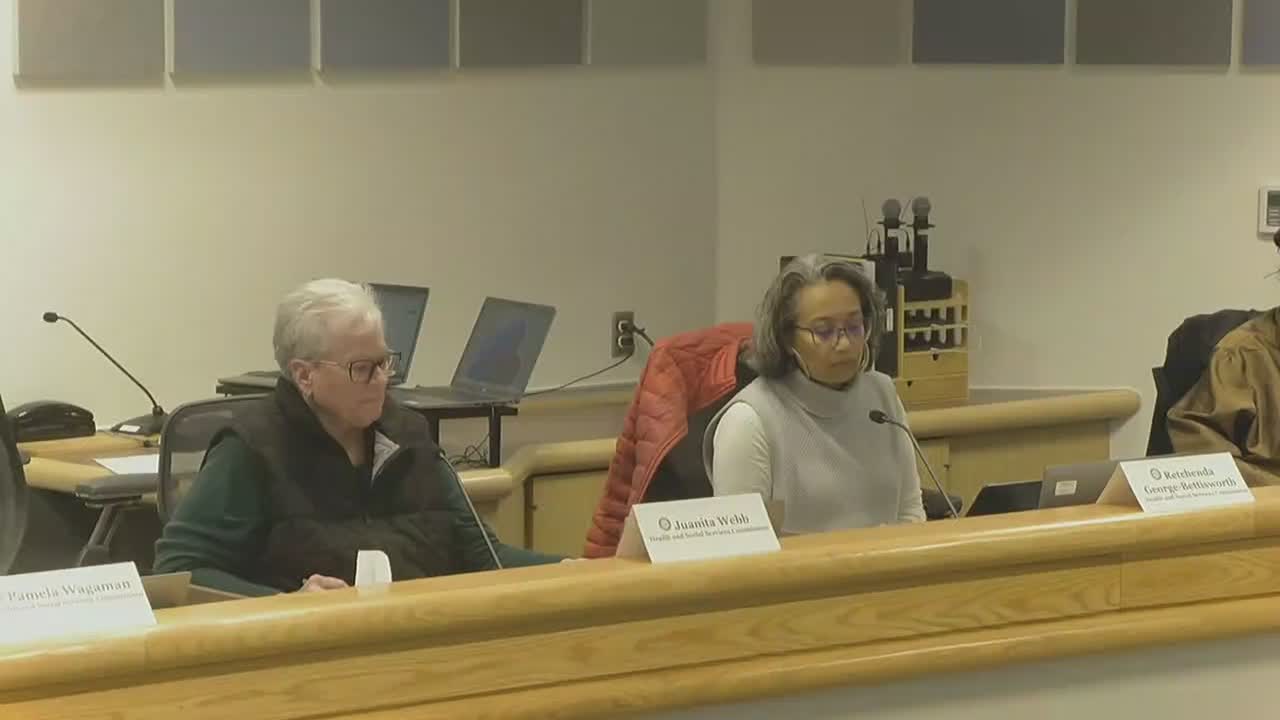
At the April 9 meeting the Health and Social Services Commission completed roll-call determinations on whether several proposals qualified under the borough's opioid settlement remediation uses. Most proposals were approved as eligible; Interior Regional Housing Authority passed 5-2 amid debate over scope.
The Fairbanks North Star Borough Health and Social Services Commission on April 9 completed roll-call votes to determine whether several project applications qualified as approved opioid-remediation uses under the commission's rubric. Commissioners approved most projects but debated scope and overlap between related proposals.
Why it matters: qualifying a project as an "approved opioid remediation use" makes the applicant eligible to receive designated opioid settlement funds administered by the borough. Commissioners said they expect clearer differentiation when agencies submit multiple, similar proposals.
Roll-call outcomes recorded on the transcript: - Big Brothers Big Sisters (mentoring and volunteer recruitment): approved as an eligible opioid remediation use (roll call: 7 yes, 0 no). - Interior AIDS Association (opioid-focused counseling and related services): approved (7 yes, 0 no). - Interior Regional Housing Authority (housing remediation, decontamination and training for meth/opioid contamination response): approved by roll call (tally recorded as 5 yes, 2 no). Several commissioners said they were torn because the proposal focused on housing remediation and training rather than direct treatment services; proponents described decontamination as prevention for children and households exposed to drug residues. - NAMI Fairbanks (peer support and behavioral-health capacity building): approved (7 yes, 0 no). - Northern Hope Center (peer supports, vocational and housing supports tied to substance-use needs): approved (7 yes, 0 no).
Commissioners spent substantial time comparing projects that address overlapping populations and services. Several commissioners asked staff to require applicant presentations at future work sessions so commissioners can better understand program differences, intended cohorts and detailed budget breakdowns. Commissioners with substance-use treatment backgrounds said they could see nuances in similar proposals that were not obvious to others.
On the Interior Regional Housing Authority application, commissioners split on whether the proposed activities aligned closely enough with the borough's opioid-specific remediation list. Proponents called the project preventative and said it will reduce harmful exposures in housing where co-occurring methamphetamine and opioid use is common; opponents said the proposal resembled a general housing program rather than a narrowly opioid-focused intervention. The roll call passed 5-2.
Commissioners requested clearer documentation from applicants going forward: testing data showing opioid residue (where relevant), the number of structures tested and decontaminated in prior years, explicit distinctions between duplicated program elements in separate proposals, and itemized personnel and operating-cost details in budget narratives.
No funds were disbursed at the meeting; the roll-call determinations establish eligibility pending final administrative processing and potential future award actions.