Get Full Government Meeting Transcripts, Videos, & Alerts Forever!
Get email alerts on the Governance Wellness Policy topic
No spam. Unsubscribe anytime.
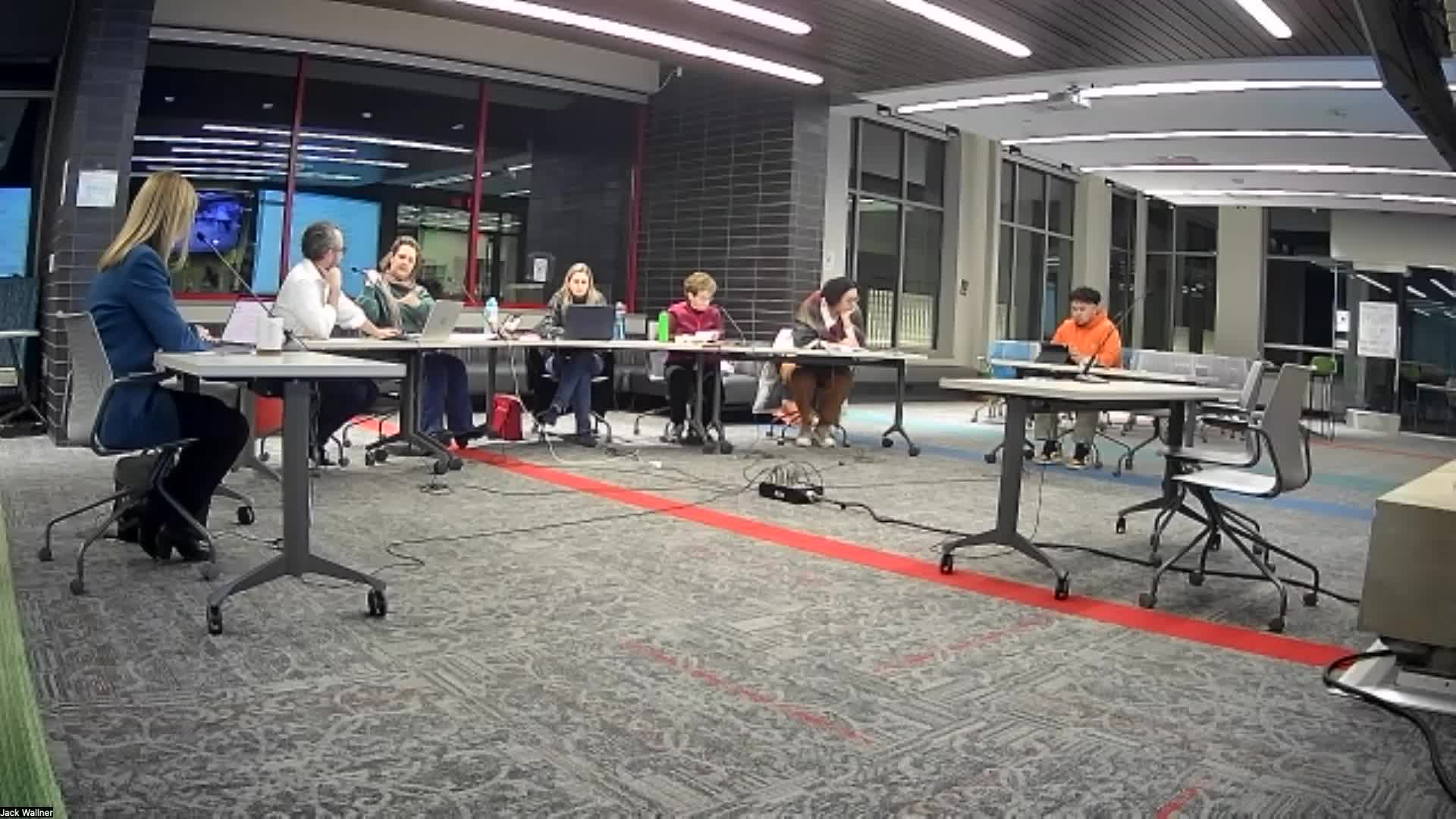
Board debates student wellness indicators; asks administration to redraft and returns in March; accepts OE‑6 monitoring with edits
Summary
The Shorewood School Board spent extensive time debating whether student wellness should be reported as a results policy or as operational expectations, directed administration to return with a written proposal for March, approved OE‑6 monitoring with a recommended edit, and approved the consent agenda.
The Shorewood School Board on Feb. 11 held an extended discussion over how to define and measure student wellness, whether wellness indicators belong in a results policy or an operating expectations policy, and what specific indicators (attendance, coursework completion, SEL competencies) the district should track.
The debate matters because it will determine how the district measures and reports wellness-related outcomes, what the superintendent is asked to monitor and report, and how the board integrates equity-focused measures into district goals.
Board member Nathan presented comparative practices from other Wisconsin districts and noted some districts treat wellness as competencies taught in coursework; he also highlighted that the federal nutrition/physical wellness requirements (the district’s existing wellness policy) are not fully aligned with life‑readiness-style indicators. Several board members expressed concern about measuring behaviors (sleep, exercise) that are largely outside school control and preferred measures tied to curriculum and demonstrated student learning or clear compliance requirements.
Members discussed candidate indicators used by peer districts: coursework completion (e.g., percent of students earning a C or better in health classes), attendance, rates of participation in extracurricular activities, survey results (with caution about mismatched purpose and tool design), and whether the district should track growth vs. achievement. Multiple board members suggested life‑readiness attributes might be better captured in R‑2 (results) or through a portrait-of-a-graduate approach but agreed the precise indicators need refinement.
The board reached consensus to have administration produce a written proposal with a clear recommendation — including a decision on whether wellness items should be OEs (operational expectations) or results policy — and to return to the board at the first March meeting with a markup. The administration also agreed to coordinate the wellness indicators work with the upcoming extracurriculars workshop (scheduled for Monday, Feb. 24, 6:00–7:30 p.m., per board discussion) to avoid duplication.
On related governance business, the board took a formal vote on OE‑6 monitoring. The motion to accept OE‑6 as compliant with noted exceptions passed by voice vote; the board directed administration to remove or reword an indicator (6.6 in the draft) that asked the superintendent to submit a report on each board member, recommending instead the matter be handled under board bylaws or a separate board governance process. The board will bring proposed language back for consideration in a future meeting and will confirm where a superintendent role in board relations reporting should sit.
Finally, the board approved the consent agenda by voice vote. Several board members noted the district will return to R‑2 revisions (academic indicators) for formal consent once the redlined version is finalized and the administration has integrated board feedback on achievement benchmarks and desegregation of data for equity monitoring.