Get Full Government Meeting Transcripts, Videos, & Alerts Forever!
Get email alerts on the Immigration Policy topic
No spam. Unsubscribe anytime.
Bay City mayoral veto of ‘welcoming city’ resolution upheld after 5-4 vote amid heated public comment
Summary
The Bay City City Commission failed 5-4 to override the mayor’s veto of a resolution intended to declare the city welcoming to immigrants. Commissioners and dozens of public commenters debated funding risks, public safety, and federal immigration enforcement during an extended public-comment period and special-order vote.
The Bay City City Commission on April 7, 2025 failed 5-4 to override the mayor’s veto of a “welcoming city” resolution, sustaining the mayor’s action and ending the formal effort to reinstate the measure.
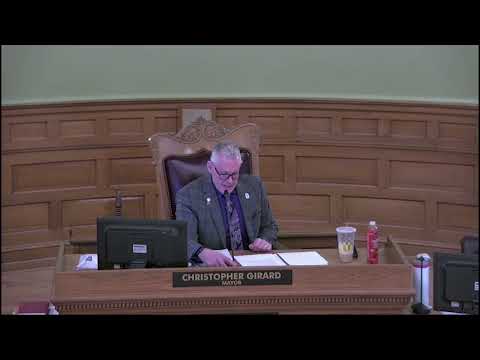
The veto and override attempt drew more than two hours of public comment and extended debate among commissioners. The mayor, speaking before the vote, said the veto was grounded in concern for “process, law, and ensuring that our city government operates within its proper role and authority,” and added, “My veto was not about rejecting the idea that Bay City should be a welcoming place.”
Supporters of the resolution said the measure was meant to protect residents’ willingness to report crimes and to limit local cooperation with federal immigration enforcement; opponents repeatedly warned the declaration could jeopardize state and federal grants. Commissioner Runberg, whose resolution was the subject of the veto, told the commission she “takes issue with it being called symbolic because there is concrete actions that are consequences,” urging caution about deputizing officers and reporting a fear among legal residents about interacting with police.
Commissioner Tenney said she had “overwhelming support” from constituents and framed her vote in defense of those views. Commissioner Prince and others said they were concerned the resolution would not change federal enforcement and could risk grant funding that supports local services.
Dozens of residents addressed the commission during the public-comment period. Paul Kleinhouse said the veto “was fueled by blackmail” from outside officials and urged the commission to act; other speakers recounted national news reports they said illustrated the risk to residents, including the seizure of noncitizens detained by federal agents and reports of local law-enforcement partnerships with ICE. Several speakers who identified as immigrants or advocates urged the commission to reinstate protections; others warned of job loss, higher taxes and cuts to local programs if grants were withdrawn.
A central practical question raised during public comment was whether local police could be compelled or would volunteer to perform immigration enforcement tasks, and what disciplinary policies — if any — would apply to officers who shared immigration information with federal authorities. One resident reported that, when asked in closed session, the director of public safety had said there was no formal penalty for an officer who provided immigration information to federal agents; the resident characterized that response as indicating no local prohibition on such conduct. That account was presented to the commission as part of public comment and attributed to the commenter’s recounting of closed-session answers.
The commission first read the question as a special-order item: whether Commissioner Runberg’s resolution should “be passed notwithstanding the mayor’s veto.” The roll-call vote recorded these responses: yes — Commissioner Rhundberg; Commissioner Charlebois; Commissioner Bernie Obershaw; Commissioner Tenney; Commissioner DeWitt. No — Commissioner Morris; Commissioner Prince; Commissioner Coakley; Commissioner Hilliker. The clerk announced the result as 5 yes, 4 no; the motion failed to reach the six votes required to override the veto, so the veto was sustained.
The public debate reflected a split between residents who said the symbolic measure signaled a local commitment to inclusion and those who said the city must avoid actions that could trigger loss of funding for services that benefit low-income residents. Multiple speakers cited recent national reports and local incidents to support their views, and several urged commissioners to identify alternative policies if the resolution remained vetoed.
The mayor’s veto remains in effect; commissioners who support the original resolution said they would continue advocacy outside of the formal ordinance process, while those who opposed reinstatement said they had acted to protect city funding and services. The commission moved on to other items after the failed override vote, including a separate resolution on a special-election request (see related article).