Get Full Government Meeting Transcripts, Videos, & Alerts Forever!
Get email alerts on the Public Finance Waste Management topic
No spam. Unsubscribe anytime.
Bell County signs order enabling Waste Management to include Temple landfill in multijurisdictional tax‑exempt bond issue
Summary
The county approved an order and certificates allowing Waste Management Inc. to include local facilities in a statewide tax‑exempt bond transaction; the company has received a $50 million allocation and expects up to $10 million of the financing could be used in Bell County.
Bell County Commissioners Court on April 7 adopted an order and authorized actions necessary for Waste Management Inc. to include the Temple landfill and other Texas facilities in a pooled tax‑exempt bond issue.
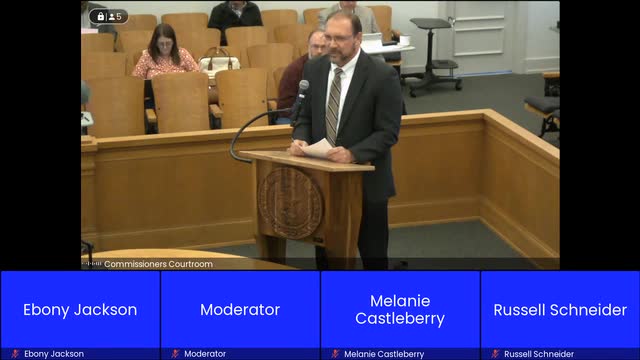
Lee McCormack, municipal adviser with Community Development Associates representing the Mission Economic Development Corporation (the governmental issuer), told the court the transaction would pool financing for up to $120 million for roughly 14 Waste Management facilities in Texas. McCormack said Waste Management obtained a $50 million allocation from the Texas Bond Review Board this year and that, of the larger program, as much as $10 million could be used for capital projects at Bell County facilities. He said the financing is intended for capital projects such as landfill cell capping, leachate and methane systems and that some proceeds may reimburse expenditures already made.
McCormack told the court the bonds would be issued by the development corporation and would not place liability on Bell County; he said the county’s name would not be on the bonds and the financing would not affect the county’s bonding capacity. He also said a statewide public hearing on the program was held on March 5 with no comments submitted.
Commissioners asked clarifying questions about the allocation and local impact, including how much of the $50 million allocation would be spent in Bell County and what ratepayer effects might be if the company could not use tax‑exempt financing in certain counties. McCormack estimated that up to $10 million could be invested in Bell County and said tax‑exempt financing typically reduces interest costs compared with taxable financing; commissioners were told the savings vary with market conditions but can lower borrowing costs and ultimately maintenance/disposal costs for customers.
The court approved the order on a motion by Commissioner Woodson with a recorded second; the motion carried unanimously.
Why it matters: Tax‑exempt bond financing can lower a private operator’s capital costs for landfill improvements; those savings can affect long‑term disposal pricing and investment timing at local facilities. County officials recorded that the approval does not place legal or financial liability on Bell County.
Clarifying details: Waste Management’s request for the bond program totals up to $120,000,000 statewide; the company received a $50,000,000 allocation from the Texas Bond Review Board for 2025 and said up to $10,000,000 could be spent in Bell County under the multi‑facility issuance. Public hearing requirements and certificate approvals were discussed and will proceed per statutory process.
Ending: The court approved the order to allow the Mission Economic Development Corporation to proceed with required steps for tax‑exempt financing related to Waste Management facilities that include the Temple landfill.