Get Full Government Meeting Transcripts, Videos, & Alerts Forever!
Get email alerts on the Zoning Adaptive Reuse topic
No spam. Unsubscribe anytime.
Attorneys debate proposed zoning changes to allow adaptive-reuse training centers; neighbors urge caution
Summary
Developers and their counsel proposed text amendments to permit 'adaptive-reuse' vocational-education and event uses under a conditional-use framework; opponents and several supervisors questioned countywide changes to agricultural zoning and suggested rezoning or tailored conditions as alternatives.
Attorneys for the applicant and neighbors sparred over proposed zoning text amendments to allow adaptive-reuse educational and event uses in agricultural areas, with supervisors raising worries about a countywide change and about how to limit impacts.
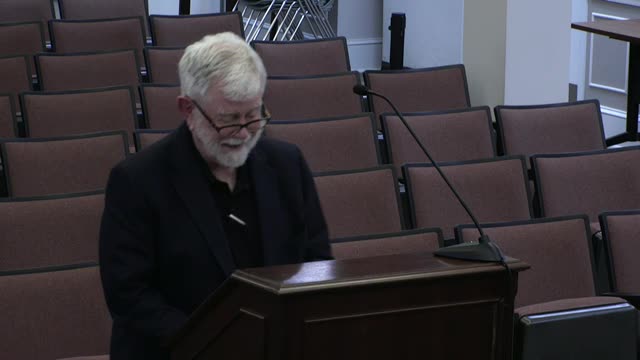
John Foote, representing Little Boy Ventures and the property owner, presented a revised draft that would permit adaptive reuse of older structures for vocational-education activities and event venues under conditional-use permit (CUP) review. Foote said the draft limits eligible properties by requiring an adaptive-reuse candidate to be at least 50 years old and to retain architectural features; the proposal would also define vocational education and event venues and add supplementary conditions tailored to the use.
Foote argued the approach narrows applicability and preserves the county’s discretionary review: “Adaptive reuse is the repurposing of an existing building or structure for a new use while retaining its architectural features,” he said, adding that the CUP process allows the board to tailor conditions to the property. Foote said that, in his view, approval in one location would not create a binding precedent elsewhere because each parcel presents unique circumstances.
Joseph Silek, representing neighbors near the applicant’s property, urged caution. He told the board the proposed change is countywide, and asked whether an educational or event venue is an appropriate use in any agricultural zone rather than being placed in commercial districts: “You’re not just adding a new definition… You’re doing it countywide. And are these uses… should they be in an agricultural zone?” Silek said opponents believe the uses described are better located in commercially zoned areas.
Supervisors asked operational questions about the proposed use at the specific property: how frequently training would occur, whether activities would be primarily indoors, and noise controls. Foote said the programs are episodic — sometimes a few days, sometimes up to a week — and that most activities described would be indoors; he also noted a draft 62-decibel limit at property lines in the CUP conditions. Several supervisors suggested alternatives, including conditional zoning with proffers or a rezoning to a commercial district or negotiated land sale to create a larger, purpose-suited parcel.
No legislative action was taken; staff and the applicant will continue drafting and discussing language to address supervisors’ concerns. The board acknowledged the competing interests of preserving agricultural zoning and allowing adaptive reuse of historic structures for limited vocational training and small-scale events.