Get Full Government Meeting Transcripts, Videos, & Alerts Forever!
Get email alerts on the Planning Policy And Economic Development topic
No spam. Unsubscribe anytime.
Planning staff outlines 2025 goals: General plan update, proactive economic development and training
Summary
Staff and commissioners used the Jan. 15 meeting to outline 2025 planning priorities, including a general plan text update with a state‑required water planning section, Title 11 code corrections, a push for proactive economic development using Placer AI data, standing TRC meetings, and quarterly trainings for commissioners.
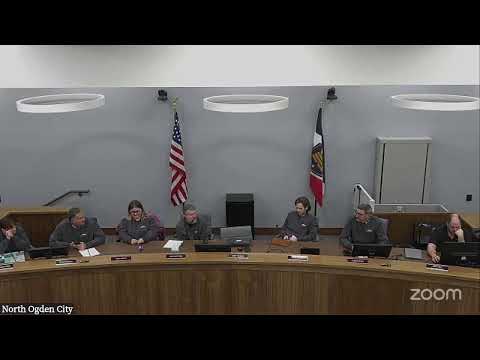
Staff and commissioners used the Jan. 15 North Ogden City Planning Commission meeting to discuss a multi‑part set of planning priorities for 2025 that emphasize code upkeep, proactive economic development and training for commissioners.
Scott (Community and Economic Development Director) reviewed staff priorities for the year: completing a general plan text update that includes a new state‑required water planning section for both culinary and secondary water; pursuing a Title 11 zoning code cleanup and a set of more substantive code corrections; establishing a standing Technical Review Committee schedule; improving internal file organization; and supporting proactive economic development work on key parcels, including the 2600 North Washington Boulevard commercial effort tied to a private developer (“Leading Tech”). “We are going to get our general plan text update done,” Scott told the commission, and he said the water planning requirement is a new state mandate to be included in the general plan.
On economic development, staff described exploring a commercial‑market analytics tool to inform outreach to potential businesses. Scott identified the software by name: “Placer AI is what it’s called.” Staff said the tool can provide origin/destination and visitation data to help identify retail and restaurant types that match North Ogden’s demographics and to guide proactive outreach to brokers and owners. Scott said such data would be available through government records requests and could be used for outreach and market analysis; he said any purchase would require a budget decision by the city council.
Commissioners supported the idea of more formal training and periodic work sessions to move planning topics beyond informal conversation at meeting ends. Vice Chairman Bridal Mason and other commissioners suggested dedicating the last portion of a regular meeting to roundtable training or scheduling a non‑approval work session. Commissioner Green referenced training videos he had watched that included an ombudsman remark: “the number 1 thing a planning commission can do is to just keep working on constantly improving the city code,” noting that commissioners should convert ideas into ordinance or rezoning actions when appropriate.
Staff also reported on housing and zoning metrics. Scott said the city’s mix of housing includes roughly 26% units with a shared wall (townhomes, duplexes, multifamily) when comparing residential water connections; he told the commission the city has not denied an R‑4 upzone request in about eight years and that the city has a supply of land that could be rezoned or annexed for higher densities. Scott described the state reporting the city submitted on moderate‑income housing and said the city’s argument was that it has entitled capacity and is not the principal impediment to affordable housing.
Other administrative items staff proposed for 2025 include setting quarterly trainings on the first meeting of each quarter, creating a standing monthly TRC meeting day to streamline initial technical review for subdivisions and commercial site plans, and continuing internal improvements such as file structure reorganization. Commissioners and staff discussed potential budget needs for proactive economic development and for a software subscription if the council approves funding.
No formal vote was taken on these topics; commissioners and staff agreed to bring training schedules and formal proposals (including any budget request for software) back to future meetings and to the city council as needed.
Quotes from the meeting are limited to planning commissioners and staff who spoke on record; no outside consultants presented during the session.