Get Full Government Meeting Transcripts, Videos, & Alerts Forever!
Get email alerts on the Harboring Undocumented topic
No spam. Unsubscribe anytime.
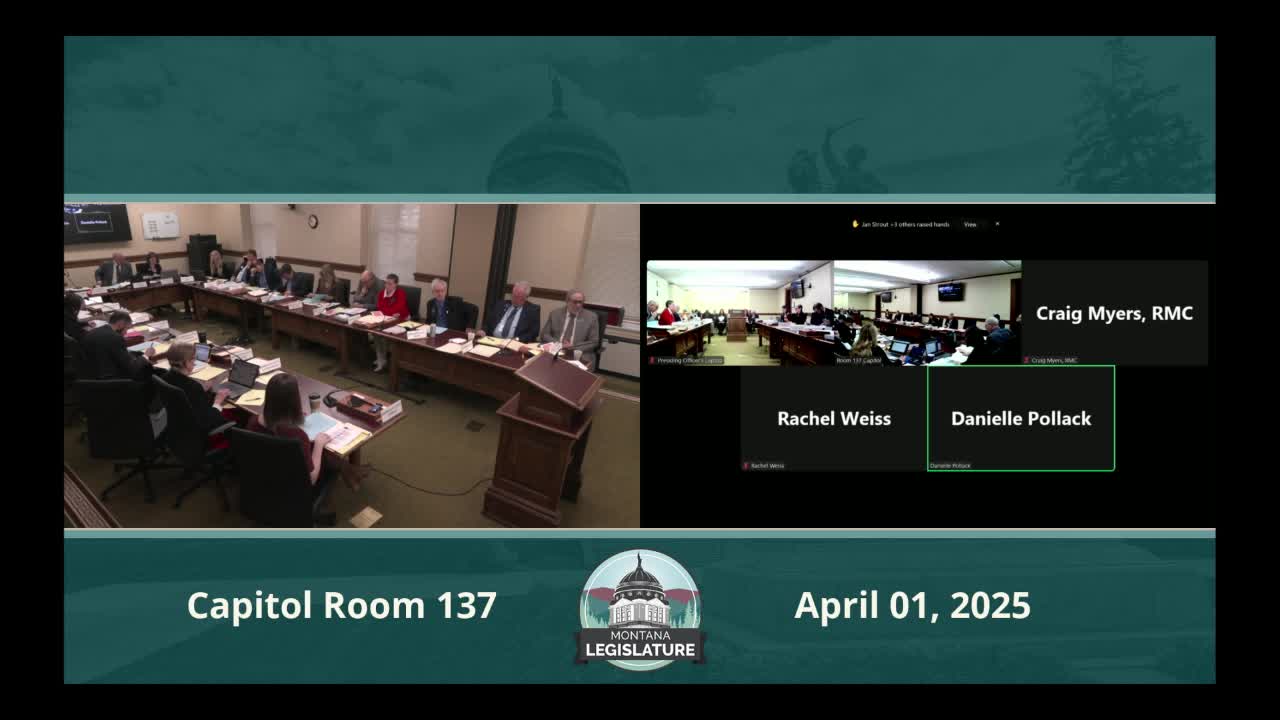
House Judiciary hears contentious bill to expand obstructing‑justice statute to include assisting undocumented people
Summary
Representative Lucas Schubert’s HB 896 would expand the state obstructing‑justice statute to cover knowingly harboring certain undocumented persons, but dozens of nonprofit and faith witnesses said the measure would criminalize routine humanitarian assistance.
House Bill 896, introduced by Rep. Lucas Schubert, would add language to the obstructing‑justice statute to make it an offense to knowingly harbor or assist a person who is an "offender" — as the sponsor framed it, including persons described in testimony as "illegal aliens" — in ways that would help them evade law enforcement. Schubert said the measure is intended to target people who knowingly harbor or transport unauthorized immigrants who are committing offenses, not to criminalize ordinary humanitarian aid.
The hearing featured broad public opposition. Nonprofit leaders, homeless‑service providers, faith organizations and immigration‑service groups warned the committee the bill’s undefined terms (particularly "harboring") and lack of protections would criminalize routine assistance such as shelter, food, transportation to medical care, and volunteer help. "This bill puts homeless shelters and service providers at legal risk simply for fulfilling their mission," Ella Smith of the Montana Coalition to Solve Homelessness said, adding that many people seeking shelter cannot produce identification because documents are lost or stolen.
Family Promise and other frontline providers described the practical consequences for families experiencing homelessness or fleeing violence if volunteers or staff could be prosecuted for offering basic services. "This bill would make it a crime to help vulnerable people including children," Crystal Chivilczyk of Family Promise testified. The Montana Nonprofit Association and the Montana Catholic Conference also opposed the bill, saying it lacked clear definitions and could chill humanitarian action.
Opponents repeatedly urged the committee to consider that federal immigration law and enforcement are complex and fluid, and that nonprofit staff and volunteers are not trained immigration‑status adjudicators. Soft Landing Missoula and other refugee resettlement partners said the bill would push vulnerable people away from seeking help and risk wrongful accusations.
Sponsor Schubert said the bill requires knowledge that the person is an offender and distinguished it from an earlier, related bill that used "or should have known" language; he described the measure as a technical cleanup that applies longstanding harboring language to a population he said should be covered by the law. He also suggested an amendment on the floor could further define harboring if committee members wished.
The committee did not take a vote during the hearing. Opponents urged the panel to table the bill; the sponsor argued enforcement would target intentional harboring of people who commit crimes and not ordinary assistance.