Get Full Government Meeting Transcripts, Videos, & Alerts Forever!
Get email alerts on the County Management topic
No spam. Unsubscribe anytime.
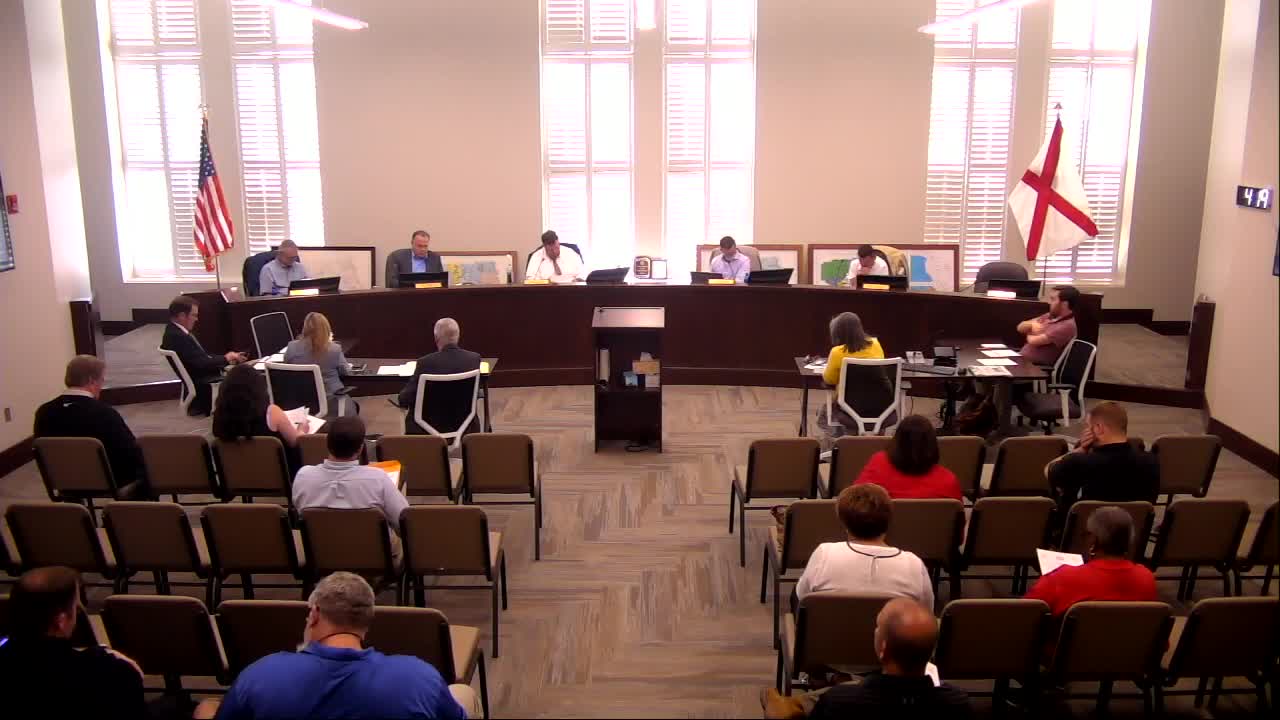
Lee County commissioners discuss creating COO role to centralize operations, staff express concerns
Summary
Commissioners reviewed a proposed chief operating officer (COO) job description that would centralize contract, grants and economic development duties; no hiring decision or formal vote was recorded. Appointed authorities raised concerns about reporting relationships and access to elected commissioners.
Lee County commissioners reviewed a draft job description for a chief operating officer during a work session, describing a proposed position that would centralize contract management, economic development and grant responsibilities but would not yet be filled pending further decisions.
The discussion focused on the COO’s duties, reporting lines and funding. Commissioners said the COO would be a single point of accountability for county operations and contract oversight; the draft lists responsibilities such as contract management, economic development and grant administration. Commissioners described reviewing other counties’ models, including Shelby County and Elmore County, as references for the position’s scope.
Why it matters: Commissioners said Lee County has grown and responsibilities have outpaced a part-time, commissioner-led management structure. They framed the COO as a way to improve day-to-day management, ensure contracts are reviewed centrally and expand capacity for economic development and grant-seeking.
Commissioners and staff debated reporting relationships and who would retain direct lines to department heads. One commissioner said the new post would create “a buffer in between the day to day operation of the county and the commission,” while other commissioners emphasized that department heads and appointed authorities should still be able to contact elected officials directly about district issues.
Rita, an appointed authority who said she has served “17 years,” told commissioners she has “some legitimate concerns” and asked for time to review the draft. She said she did not receive the draft earlier and warned that some appointed authorities are elected officials with distinct rules. “I do have some concerns and I think they're genuine. But if it's handled right, it can be right,” Rita said.
Commissioners discussed qualifications and compensation in general terms. The draft referenced experience levels “around eight to ten years” in relevant fields, and commissioners suggested attorneys or candidates with risk-management experience could apply, but they did not limit the search to any single profession. Funding for the position was described as partly shifting dollars from an existing role; one speaker said “Allison's position. Win 40. We got half of it,” but the transcript did not specify the full funding plan.
No formal vote or hiring decision was recorded in the portion of the transcript provided. Commissioners said they would continue refining the job description in follow-up work sessions and bring back details on qualifications, oversight and funding before filling the position.
The meeting also referenced examples from other counties and noted the commission’s desire to avoid creating unnecessary bureaucracy while improving county operations and grant capture. The draft will be circulated for additional review before any public posting or recruitment.
Less critical details: Commissioners repeatedly framed the discussion as a work session topic rather than a final decision. Several asked that the draft be revised to clarify oversight of elected appointed authorities and preserve lines of communication between commissioners and department staff.